Anne Frank House

Log in to your account

AroundUs is a community-driven map of interesting places, built by curious explorers like you. It grows with every review, story, and photo you share.
Connect to save your favorite spots, contribute locations, and create personalized routes.
By continuing, you accept our Terms and Conditions and our Privacy Policy
Add to collection
Map
Suggest a change
Share

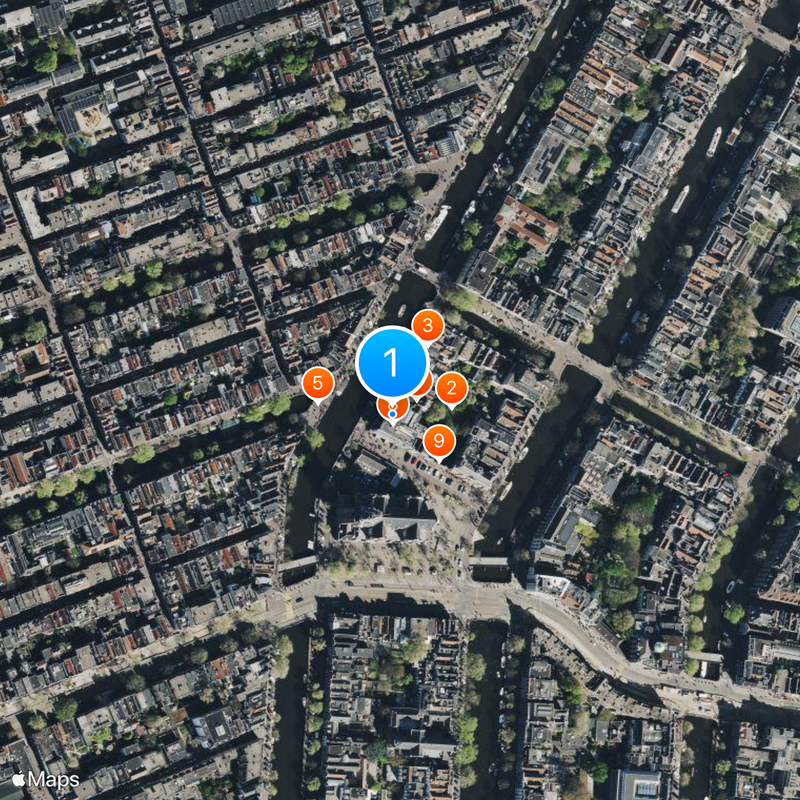
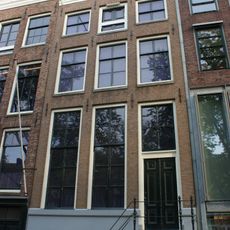
Anne Frank House, Holocaust museum in central Amsterdam, Netherlands

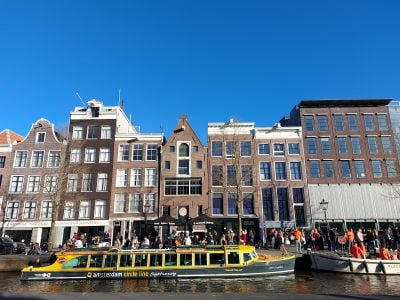
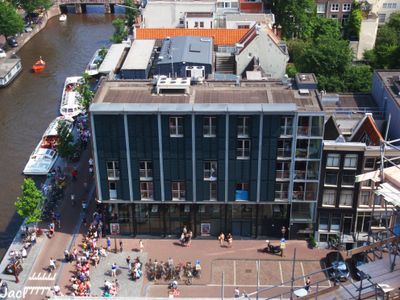
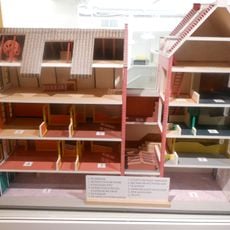
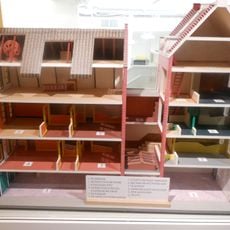
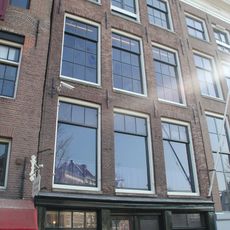
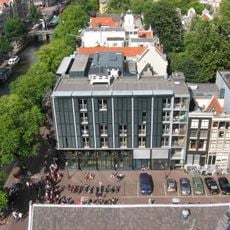
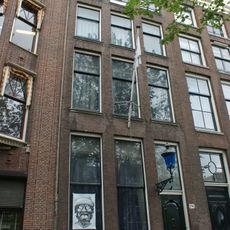
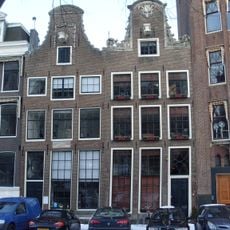
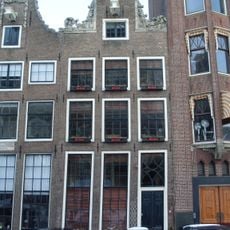
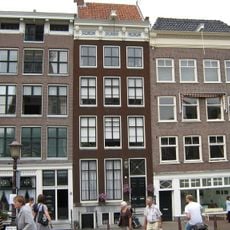
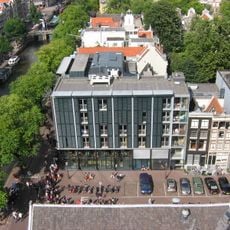
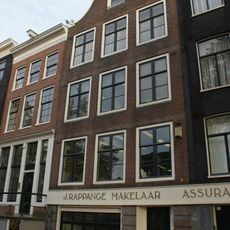
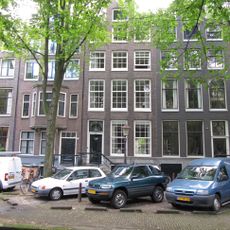
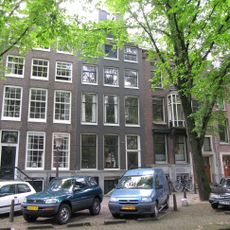
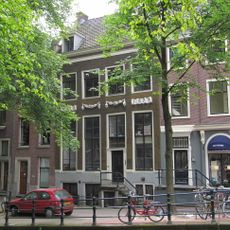
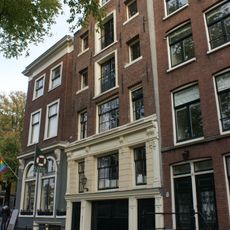
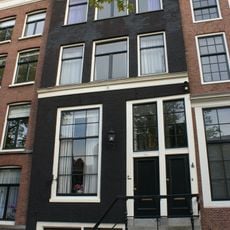
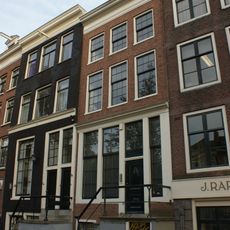
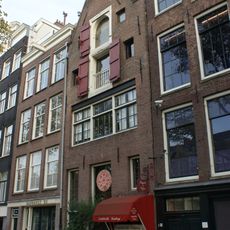
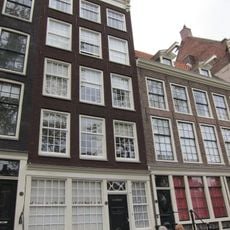
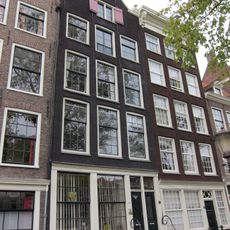
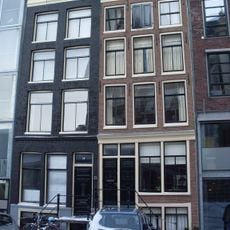
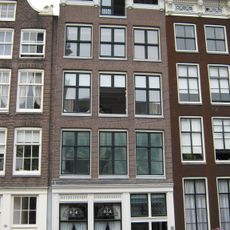
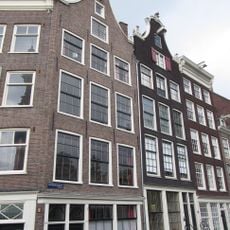
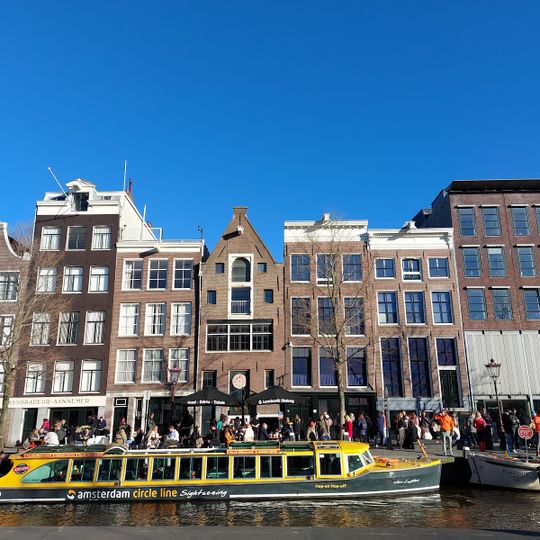
The building at Prinsengracht 263 consists of two connected 17th-century canal houses with a concealed rear annex accessed through a movable bookcase. The tour route leads through the cramped rooms of the hiding place with low ceilings and small windows that had to remain covered during occupation. Upper floors contain exhibition spaces with display cases, while the original hiding rooms were left mostly bare as Otto Frank wished.

The commercial building was constructed in the 1630s and housed Otto Frank's Opekta company from 1940 onward. The Frank family moved into the rear annex in July 1942 after Margot Frank received a deportation notice. Four additional people joined in the following months until the group was arrested in August 1944 following an anonymous tip. The building faced demolition in 1957 but a citizen initiative prevented this, enabling its opening as a museum three years later.

The building documents the persecution of Jewish families in occupied Netherlands through personal letters, photographs and everyday objects belonging to those in hiding. Exhibitions connect the experiences of the eight residents with the broader context of antisemitic policies across wartime Europe. The site serves as an educational center for tolerance and human rights, hosting school groups from different countries throughout the year.

Tickets must be booked online in advance as the museum admits only a limited number of visitors daily. The closest tram stops are Westermarkt and Prinsengracht, both about 656 feet (200 meters) away. The historic building has no elevators and the tour includes steep staircases and narrow passageways. A visit typically takes 75 minutes, with audio guides available in multiple languages.

The walls in Anne's bedroom still show the postcards, movie star posters and newspaper clippings she affixed during her time there. These personal decorations remain in their original positions behind protective glass, offering insight into the interests of a teenager under extreme circumstances. Visitors can see the pencil marks where Otto Frank tracked his daughters' growth on the wall.

Location: Amsterdam

Inception: May 3, 1960

Founders: Otto Heinrich Frank

Official opening: May 3, 1960

Accessibility: Wheelchair inaccessible

Address: Westermarkt 20, 1016 GV Amsterdam, Netherlands 1016GV Amsterdam

Opening Hours: November 01-March 31 Monday-Friday,Sunday 09:00-19:00 "Online tickets only"; November 01-March 31 Saturday 09:00-21:00 "Online tickets only"; April 01-October 31 Monday-Sunday 09:00-22:00 "Online tickets only"

Phone: +31205567105

Website: http://annefrank.org

GPS coordinates: 52.37515,4.88404

Latest update: November 30, 2025 18:05

Historical landmarks in Amsterdam

Amsterdam combines art, history, and culture. The city features notable museums like the Rijksmuseum and Van Gogh Museum, historical buildings such as the Anne Frank House, and a network of 17th-century canals. Public spaces like Dam Square and Vondelpark provide urban gathering points.

Photography locations in Amsterdam: canals, museums and architecture

Amsterdam provides photographers with numerous subjects throughout the city. The 17th-century canals form the historic center, where gabled houses and bridges reflect in the water. The Jordaan district displays traditional residential architecture, while the Oosterdok area presents modern structures including the Central Library and NEMO Science Museum. The Rijksmuseum and Van Gogh Museum offer both interior and exterior subjects. Vondelpark extends across 47 hectares, combining green spaces with urban elements. The Magere Brug over the Amstel river features evening illumination. Albert Cuyp Market captures daily life, while De Wallen combines historic facades with red lighting. The city suits architectural, street, and landscape photography. The flat topography and canals create specific lighting conditions. From morning to dusk, photographic conditions change across different neighborhoods.

Reviews

Visited this place? Tap the stars to rate it and share your experience / photos with the community! Try now! You can cancel it anytime.

« Anne Frank House: Holocaust museum in central Amsterdam, Netherlands » is provided by Around Us (aroundus.com). Images and texts are derived from Wikimedia project under a Creative Commons license. You are allowed to copy, distribute, and modify copies of this page, under the conditions set by the license, as long as this note is clearly visible.

Discover hidden gems everywhere you go!

From secret cafés to breathtaking viewpoints, skip the crowded tourist spots and find places that match your style. Our app makes it easy with voice search, smart filtering, route optimization, and insider tips from travelers worldwide. Download now for the complete mobile experience.
Around Us App Screenshot

A unique approach to discovering new places

Le Figaro

All the places worth exploring

France Info

A tailor-made excursion in just a few clicks

20 Minutes