Mehrgarh, Neolithic archaeological site in Dhadar, Pakistan
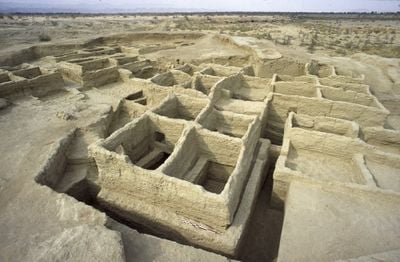
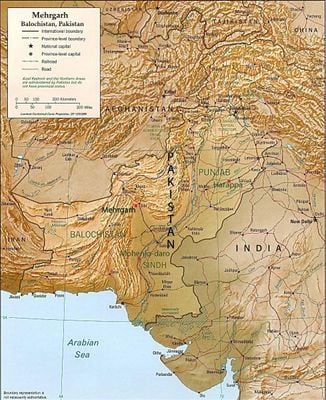
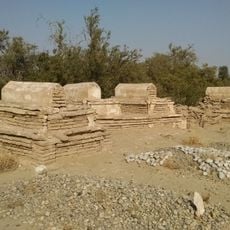
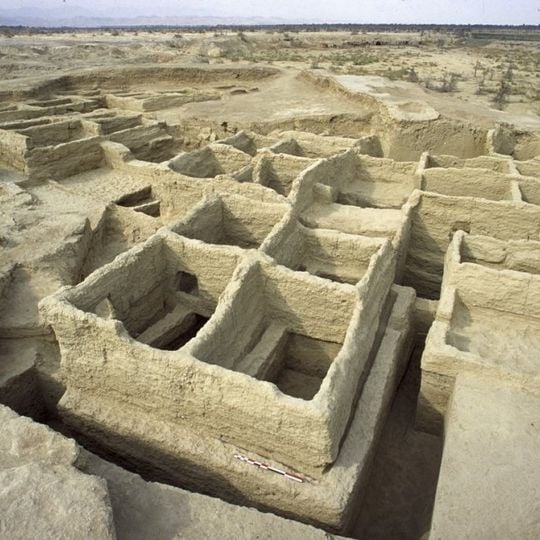
Mehrgarh is an archaeological excavation site in Dhadar district, Pakistan, covering an area of more than 200 hectares with multiple layers of ancient settlements stacked upon each other. The structures made of sun-dried mud bricks and traces of agriculture show different phases of human occupation and development.
A French research team discovered the settlement in 1974 and uncovered traces of human occupation and farming that date back to around 7000 BCE. The excavations showed that the community grew and changed over several millennia before being abandoned around 2500 BCE.
The inhabitants smelted copper at high temperatures and shaped it into everyday tools, while at the same time decorating their pottery with fine geometric patterns. Beneath their houses, people built large chambers where they stored grain and other provisions for months in cool and dry conditions.
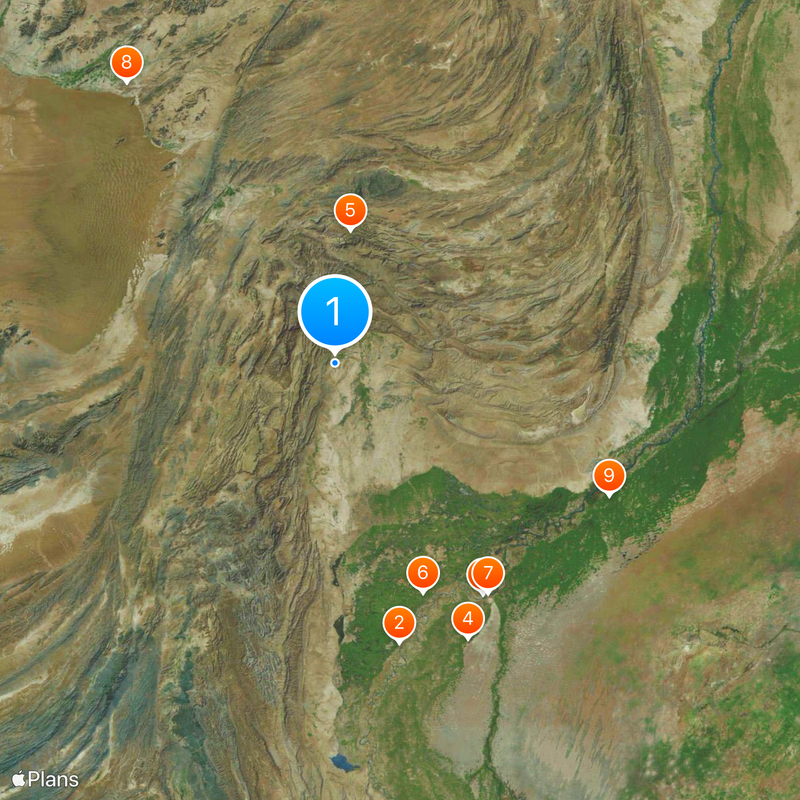
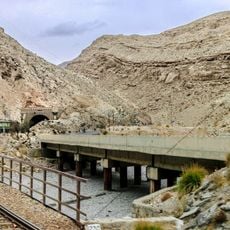
The location near Bolan Pass made the settlement an important point for trade caravans traveling between Afghanistan, Iran, China, and the Indian subcontinent. Visitors should note that the terrain is expansive and only partly developed, so sturdy footwear and sufficient water are recommended.
Researchers found at this site the earliest evidence of dentistry in human history, with teeth showing small drillings that were likely meant to relieve pain. The technique was probably performed using fine stone tools and demonstrates a surprisingly advanced medical knowledge.
The community of curious travelers
AroundUs brings together thousands of curated places, local tips, and hidden gems, enriched daily by 90,857 contributors worldwide.