Pakistan, Country in South Asia
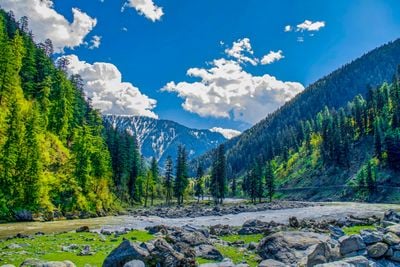
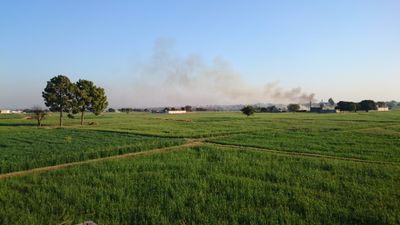
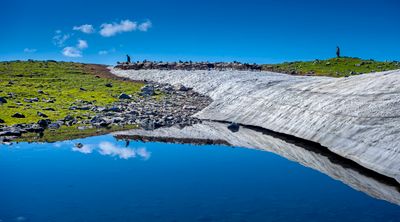
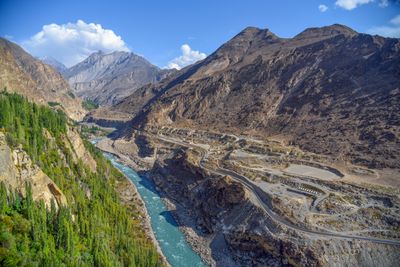
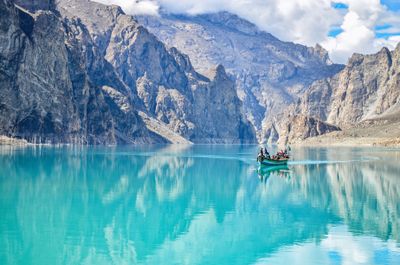
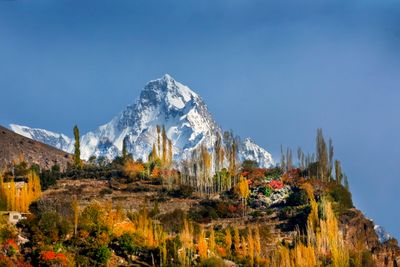
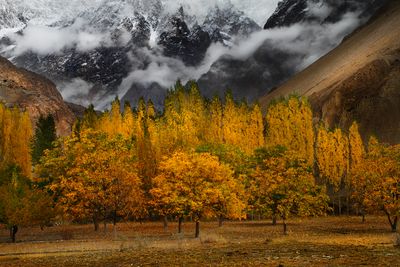
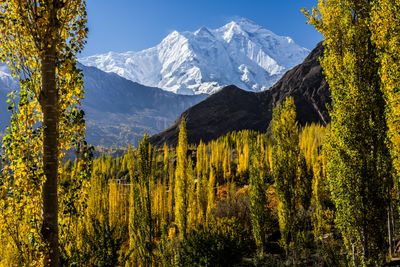
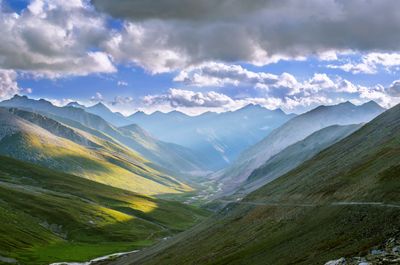
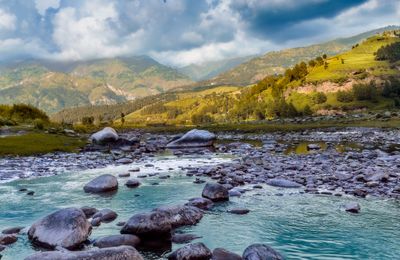
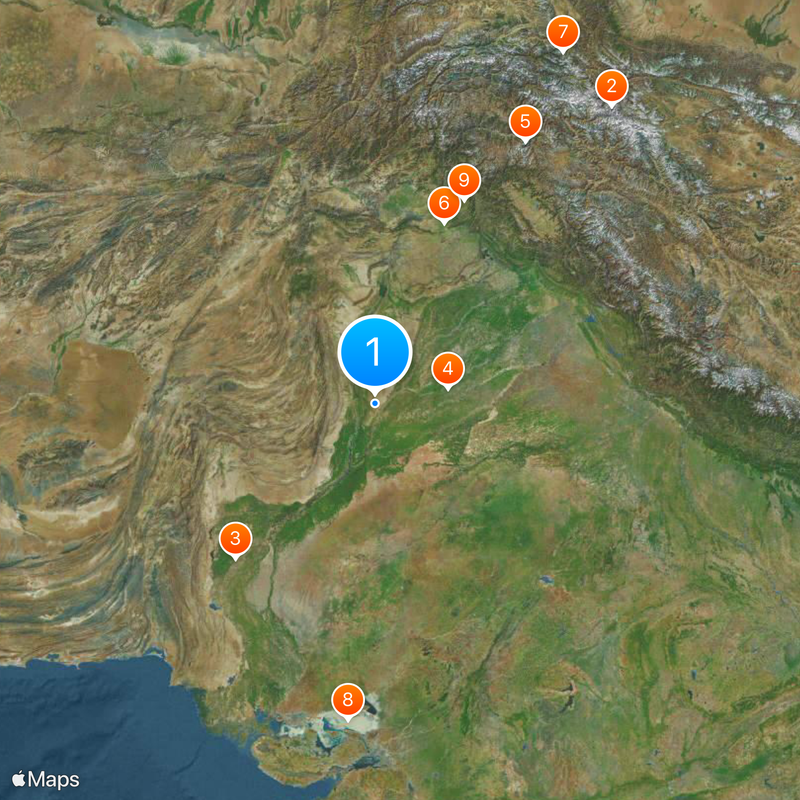
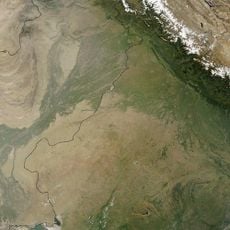
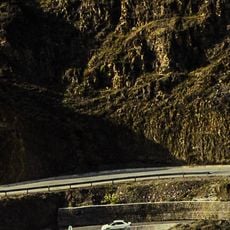
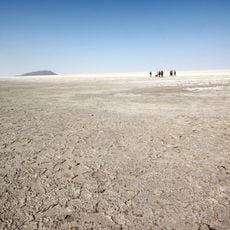
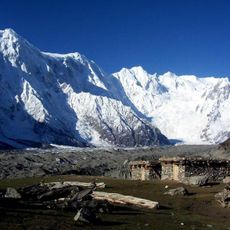
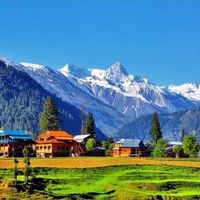
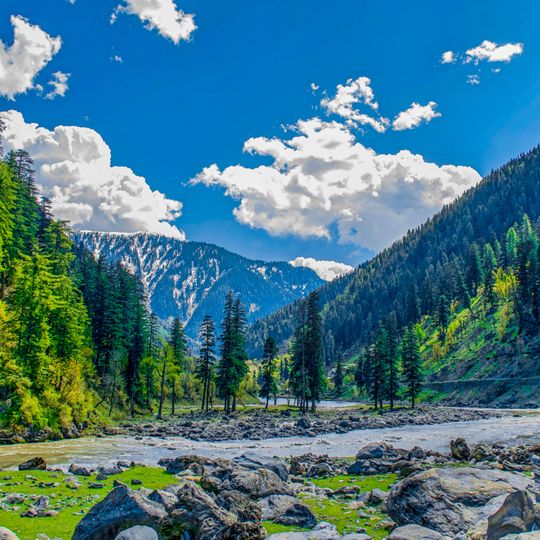
This South Asian nation stretches from the Himalayas to the Arabian Sea and encompasses deserts, mountain ranges, valleys, plains, and coastal areas across four large provinces. The landscape ranges from northern peaks to fertile river lowlands and sandy coastal strips, with different climatic conditions depending on the region.
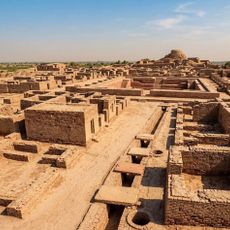
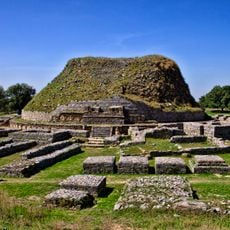
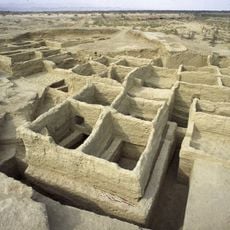
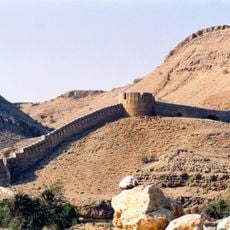
The Indus Valley Civilization developed from 3300 BCE with centers at Mohenjo-daro and Harappa, while later conquests by Persians, Greeks, and Mongols shaped the region. Independence from British colonial rule was achieved in 1947 and marked the beginning of a sovereign state.
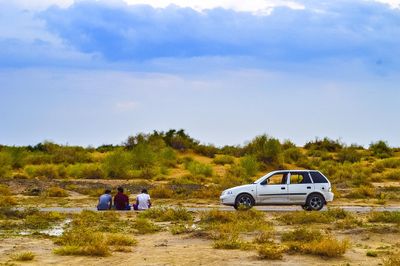
In small tea stalls and along the streets, strong spiced chai is served while neighbors and travelers gather together. Tea culture connects people across all regions, and in many places sharing a cup is a daily ritual that encourages conversation and hospitality.
The currency is the Pakistani Rupee, accepted across all provinces from markets to coastal areas, and a visa is required for most nationalities. International airports in Islamabad, Karachi, and Lahore provide connections into the country, and currency exchange facilities can be found in larger cities and border crossings.
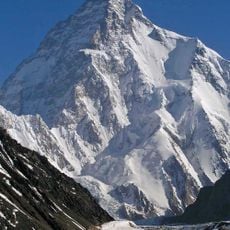
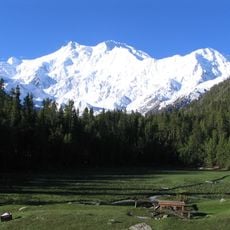
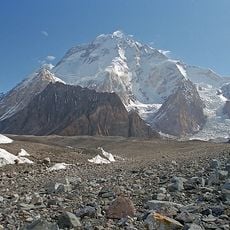
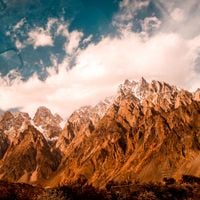
K2 in the Gilgit-Baltistan region rises to 8611 meters and stands as the second-highest mountain on Earth, while the area also contains the largest concentration of glaciers outside polar regions. More than 7200 glaciers are cataloged, and many of them feed rivers that supply millions of people.
The community of curious travelers
AroundUs brings together thousands of curated places, local tips, and hidden gems, enriched daily by 90,776 contributors worldwide.