Harappa, Archaeological site in Punjab, Pakistan
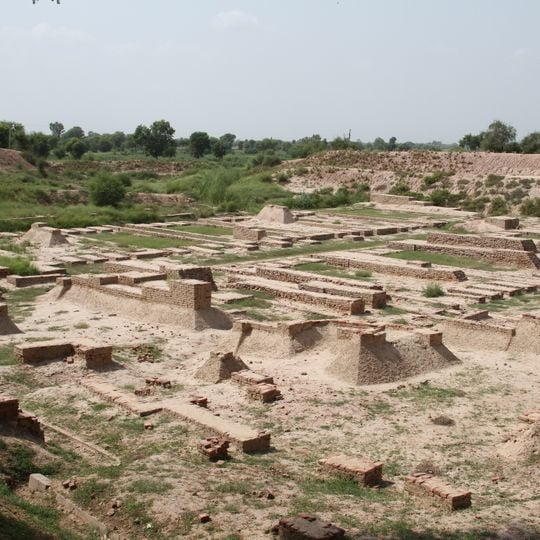
Harappa is an archaeological site in Sahiwal District, Pakistan, and ranks among the most important discoveries of the Indus Valley Civilization. The site spreads over a large area with streets laid out in a grid pattern, uniform building structures, drainage channels, and a fortified citadel with defensive walls that make the urban layout clearly visible.
The settlement began around the fourth millennium before our era and grew into a major urban center of the Indus Valley Civilization between 2600 and 1900 BCE. Later, the site was abandoned and fell into obscurity until its rediscovery in modern times.
The civilization is named after this site, and the name Harappa comes from the modern village beside the ruins. Excavations here yielded copper carts, a figurine called the fertility goddess, a bronze mirror, a fisherman's image, a figure of Garuda and an Abalokitesh figure. The site was first excavated in 1921 by Dayaram Sahni under John Marshall, then by Madhav Swarup in 1926 and Mortimer Wheeler in 1946.
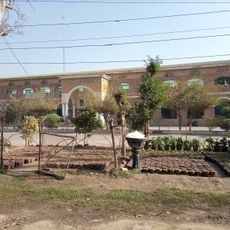
The ruins lie about 24 km west of Sahiwal, and the modern village of Harappa sits less than a kilometre from the ancient mounds; the Ravi now runs 8 km north of the site. The excavated area is largely open ground, and the modern town keeps a railway station from the Raj period.
During British colonial rule, many ancient bricks were removed from the ruins and used to build the railway embankment on the Lahore-Multan line. This removal caused significant loss of original building material before systematic archaeological work began.
The community of curious travelers
AroundUs brings together thousands of curated places, local tips, and hidden gems, enriched daily by 92,145 contributors worldwide.