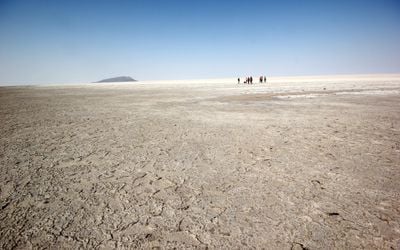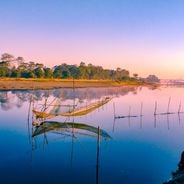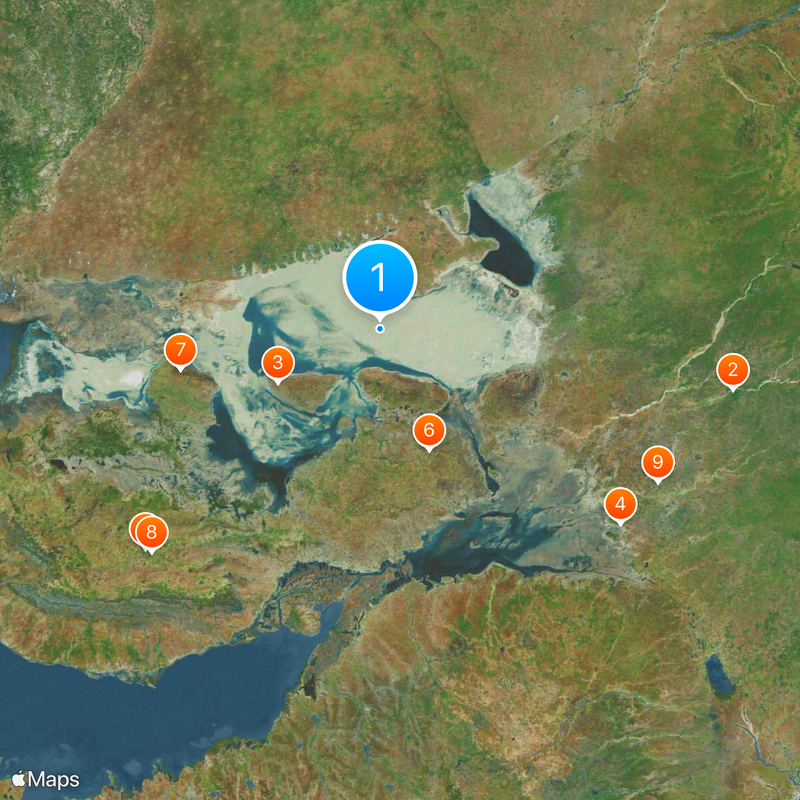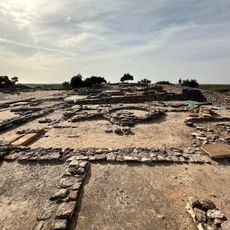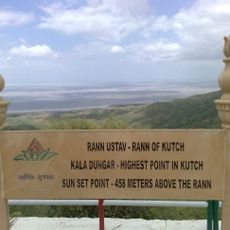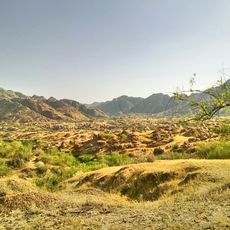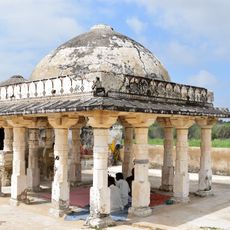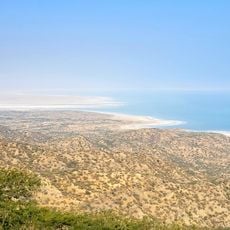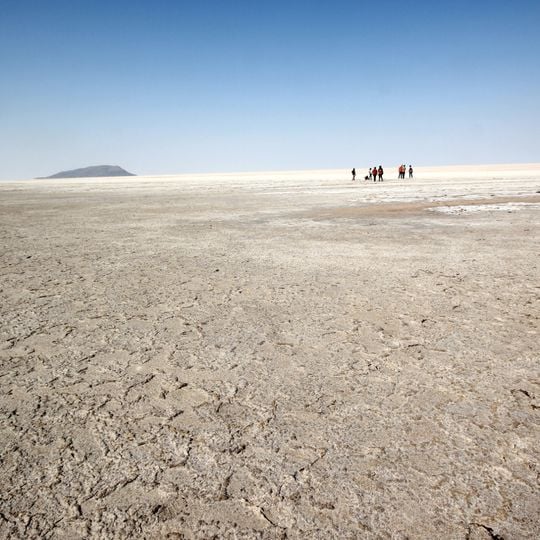
Great Rann of Kutch, Salt marsh in Gujarat, India.
The Great Rann of Kutch is a vast salt flat spanning the border between India and Pakistan, covering several thousand square kilometers. During monsoon season, the area floods with shallow water, while in dry months it transforms into a hard, white crust of salt crystals.
This salt flat was once part of the Arabian Sea until geological shifts thousands of years ago raised the land and isolated the water. After partition in 1947, the new border between India and Pakistan ran through this inhospitable region.
The name Rann comes from Sanskrit meaning desert or barren land, which captures the open, empty landscape. During dry months, salt collectors work across these flats, harvesting crystals that form in shallow basins.
Visitors reach the area most easily from Bhuj, which lies about 85 kilometers away and offers both an airport and railway station. The best time to visit is between November and February, when temperatures are tolerable and the salt surface is fully dry.
On some nights, moving lights appear across the salt flats, known locally as Chir Batti, and their origin remains debated. Flamingos and other migratory birds use the flooded areas during monsoon season as a resting place on their journey across Asia.
The community of curious travelers
AroundUs brings together thousands of curated places, local tips, and hidden gems, enriched daily by 92,670 contributors worldwide.