Sindh, Province in southeastern Pakistan
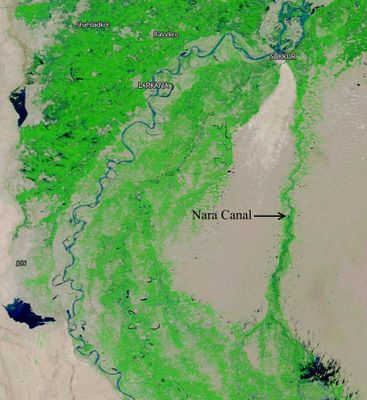
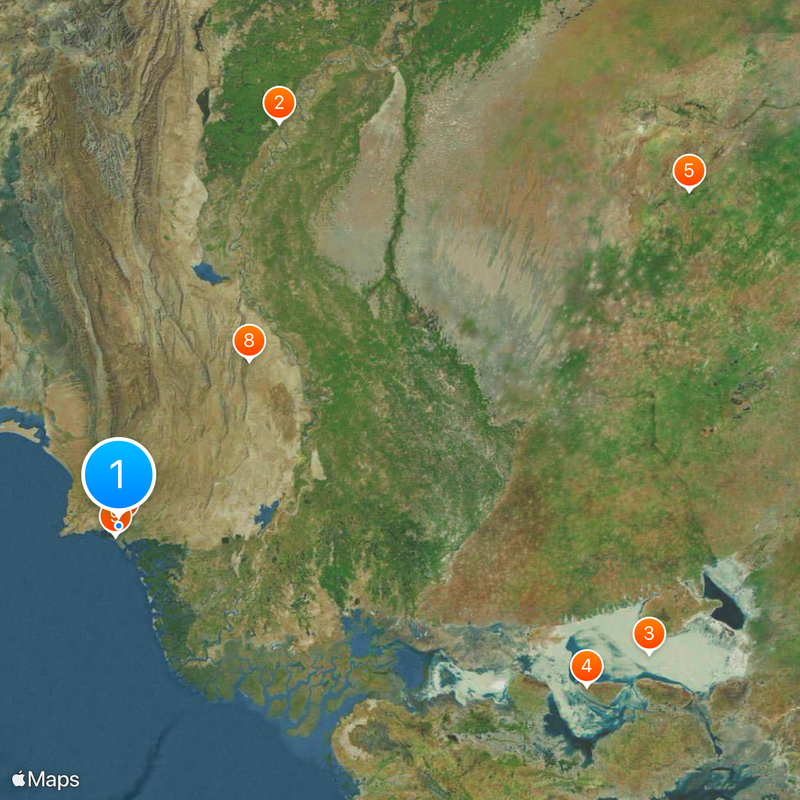
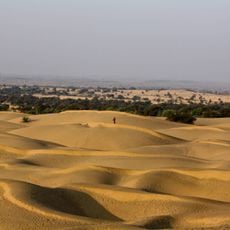
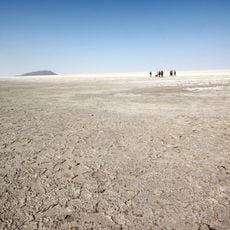
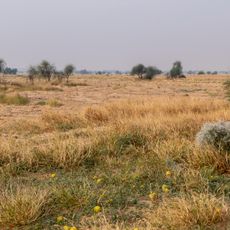
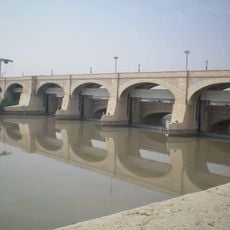
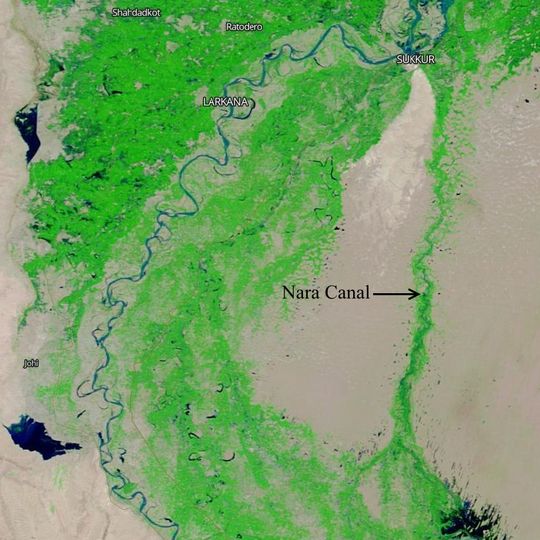
Sindh is a province in southeastern Pakistan covering a large territory that includes much of the Indus Delta and surrounding agricultural plains. The territory stretches from the Arabian Sea in the south to desert regions in the northeast, with the Indus River running through and shaping the landscape and settlement patterns.
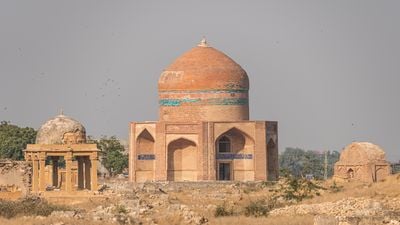
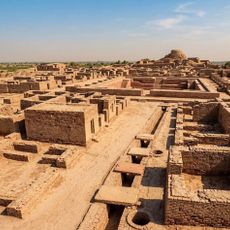
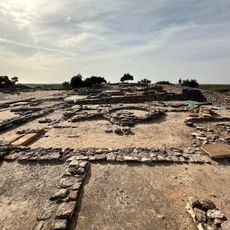
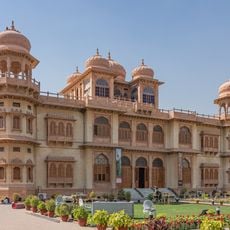
The region was home to the Indus Valley Civilization from around 2500 BCE, with Mohenjo-daro standing as one of the earliest planned cities in human history. Over the centuries, the area came under the control of various empires and dynasties before falling to British colonial rule in the 19th century and later becoming part of Pakistan.
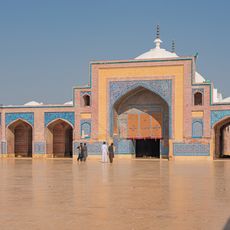
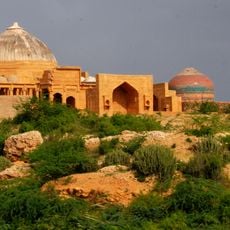
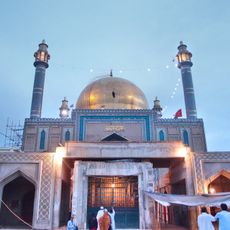
In markets and streets you hear Sindhi folk songs, classical Sufi music, and regional dance styles, while various communities maintain their own festival calendars and culinary traditions. Visitors quickly notice the presence of shrines and religious gatherings that shape everyday life and draw thousands of pilgrims at certain times of the year.
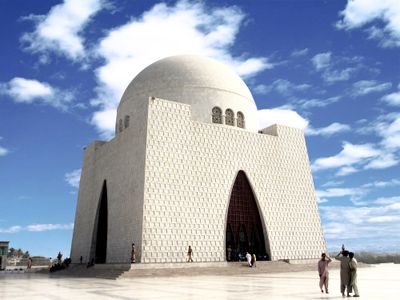
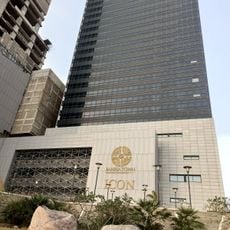
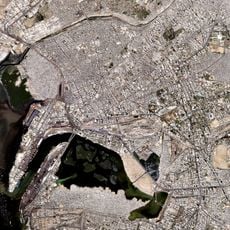
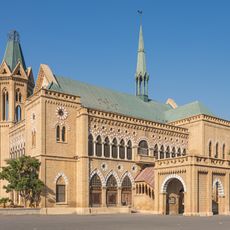
Karachi, the provincial capital, serves as the country's main transport hub and financial center, with good access through its international airport and seaport. Climatic conditions are more comfortable between November and March, while summer months tend to be very hot and humid, especially in the coastal areas.
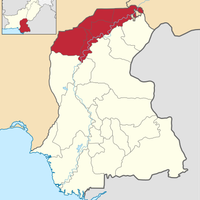
The province divides into six administrative divisions, each showing different landscape and climate features, from coastal zones to desert strips. Agricultural production centers on cotton, rice, sugarcane, and wheat, which dictate the rhythm of rural life and local markets.
The community of curious travelers
AroundUs brings together thousands of curated places, local tips, and hidden gems, enriched daily by 91,406 contributors worldwide.