Desert National Park, National park in Jaisalmer and Barmer districts, India.
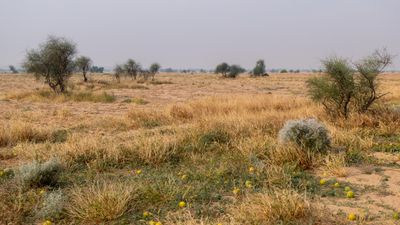
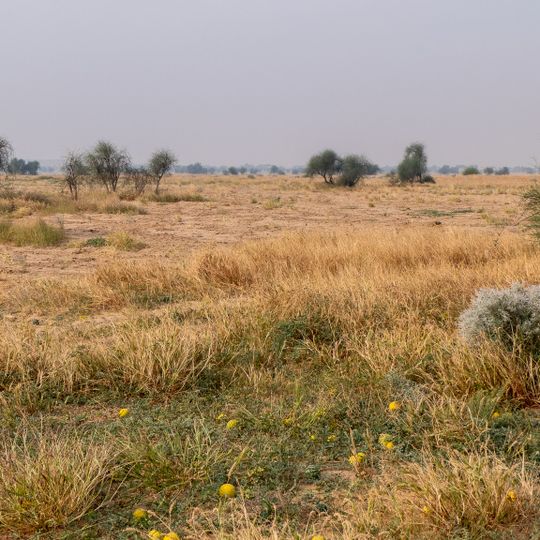
The Desert National Park stretches across sand dunes, rocky hills, and dried salt lake beds in the Thar Desert. The terrain shifts between flat plains and rolling sand surfaces broken by gravel patches and scattered shrubs.
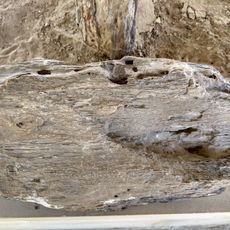
The park was notified as a national park by the Rajasthan government on 4 August 1980, under notification F-3(1)(73), having previously been the Desert Wildlife Sanctuary. Its rocks hold plant and animal fossils about 180 million years old, and dinosaur fossils 65–66 million years old have been found in the area.
The park's Hindi name, Marubhumi Rashtriya Udyan, means "desert national park". The great Indian bustard, called son chiraiya locally, is the bird visitors come to see; it is found only in India and this park is among its last strongholds. Three lakes, Rajbagh, Malik Talab and Padam Talab, are the main water sources for wildlife here.
Access points in Jaisalmer and Barmer districts serve as entry gates, with guided tours recommended for wildlife watching. Early morning and late afternoon offer the most comfortable conditions for exploration on foot or by vehicle.
The great Indian bustard lives in this area and ranks among the rarest birds in the world. Visitors can also spot tracks in the sand left by desert foxes and gazelles that become active at night.
The community of curious travelers
AroundUs brings together thousands of curated places, local tips, and hidden gems, enriched daily by 92,791 contributors worldwide.