India, Constitutional republic in South Asia.
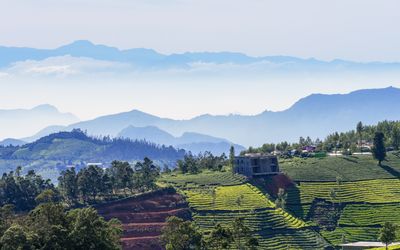
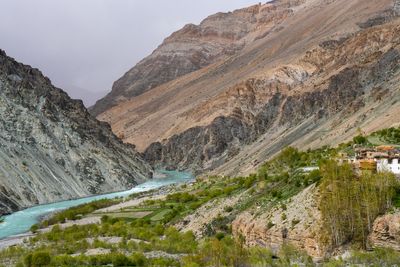
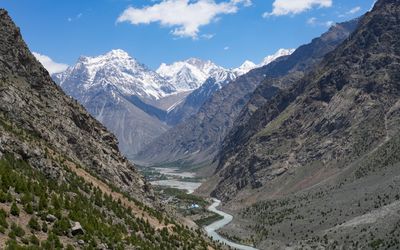
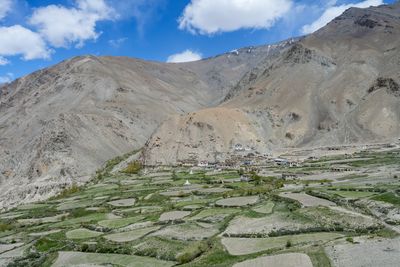
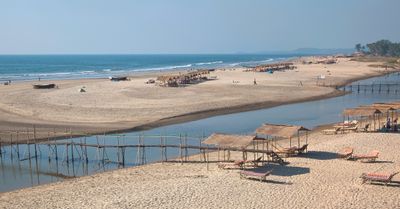
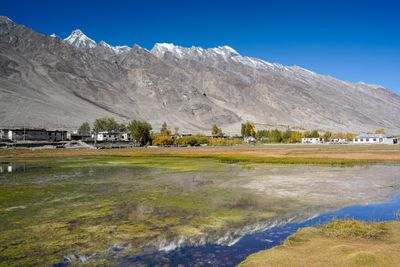
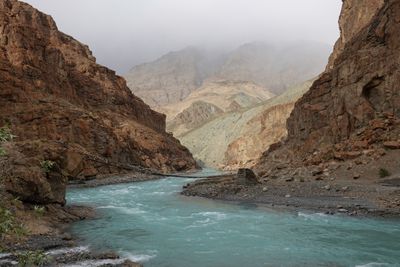
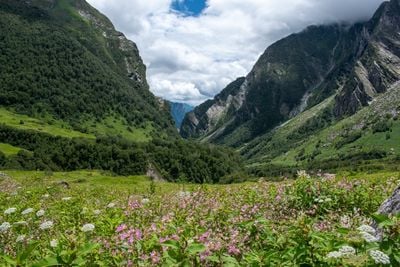
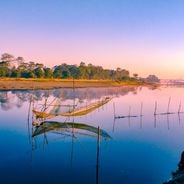
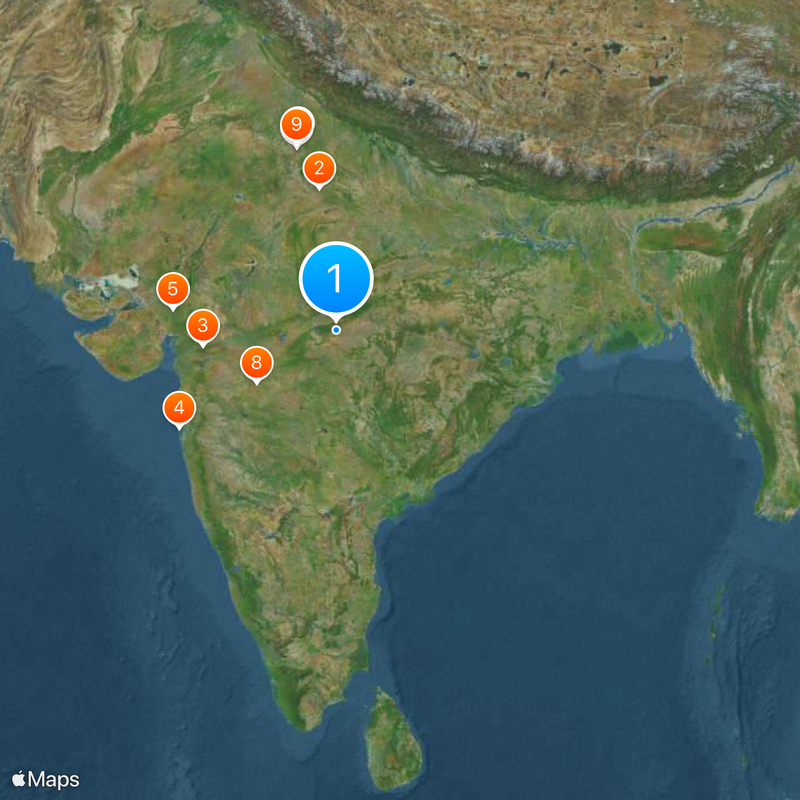
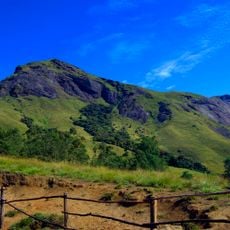
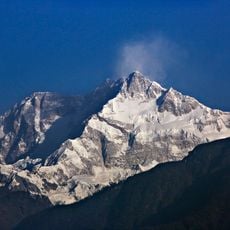
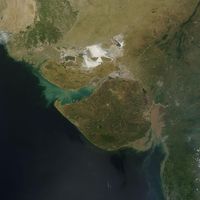
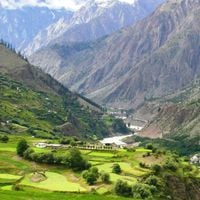
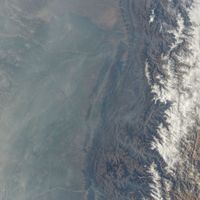
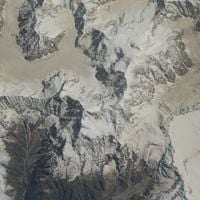
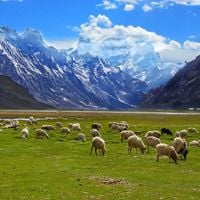
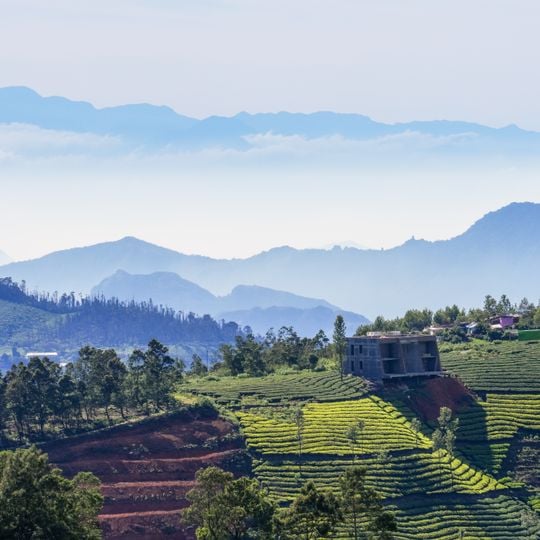
The nation is a federal republic in South Asia extending from the Himalayas to the Indian Ocean, making it the seventh largest territory on Earth by area. Geography encompasses desert zones in the west, coastal lowlands along the peninsula, central highlands and mountain ranges in the north with summits exceeding 8000 meters in elevation.
The region achieved freedom from British colonial control on August 15, 1947 and became a self-governing democracy with 28 states and eight union territories. The founding constitution entered into force on January 26, 1950 and introduced a parliamentary system of governance with a federal arrangement.
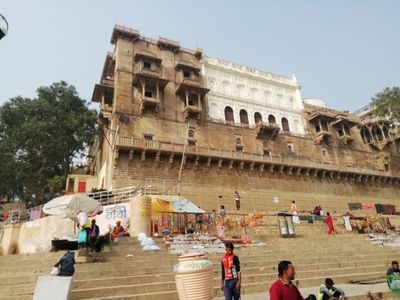
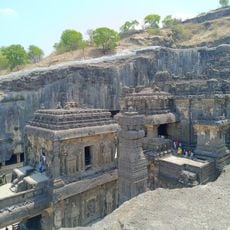
The name derives from the Indus River and has been in use for centuries, while today's inhabitants also call themselves Bharatiya or Hindustani. Visitors experience a land where Sanskrit texts stand alongside modern Bollywood productions and where street markets offer spices, textiles and handcrafted goods from every region.
Months from October through March bring mild weather and low rainfall, creating favorable conditions for travel across the territory. Major airports in New Delhi, Mumbai, Bengaluru and Chennai handle large numbers of arrivals, while visitors need valid entry permits available through online systems or diplomatic offices.
The Kumbh Mela occurs every twelve years and draws millions of participants to sacred rivers for spiritual ceremonies. The railway network spans more than 67,000 kilometers and transports around 23 million passengers each day, making it one of the most heavily used transit systems on the planet.
The community of curious travelers
AroundUs brings together thousands of curated places, local tips, and hidden gems, enriched daily by 60,000 contributors worldwide.