Qutb Minar, UNESCO World Heritage minaret in Mehrauli, India
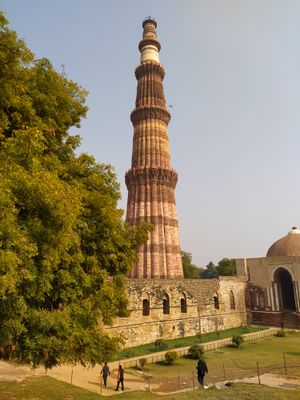
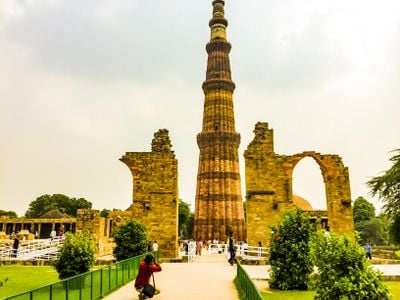
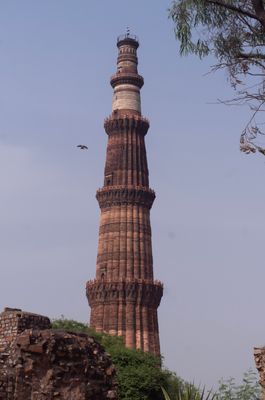
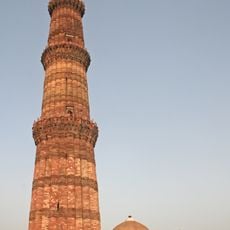
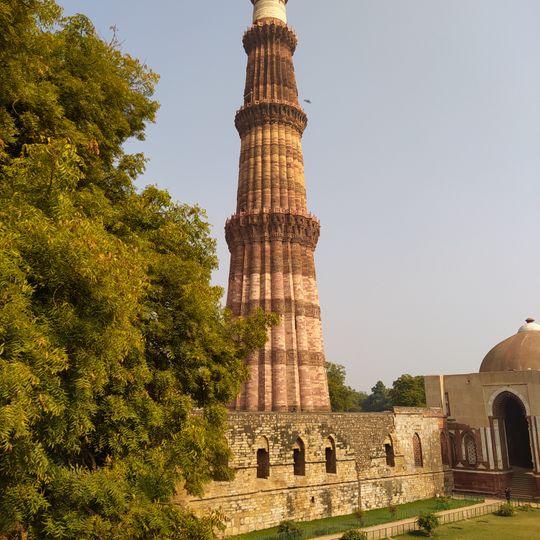
Qutb Minar is a tapering tower of red sandstone in Mehrauli, South Delhi, India, built mostly between 1199 and 1220. Its fluted shaft alternates angular and rounded sections, divided by projecting balconies on carved brackets, and rises to a small cupola. The tower stands 72.5 meters tall, with a diameter of 14.3 meters at the base narrowing to 2.75 meters at the top.
Qutb-ud-din Aibak began the tower around 1199 after his conquest of Delhi, completing only the first storey; his successor Iltutmish added three more, and Firuz Shah Tughlaq rebuilt the top parts and added a cupola in 1368. An earthquake damaged it in 1505 and Sikander Lodi repaired it; the 1803 quake caused serious damage, and Major Robert Smith renovated it in 1828, adding a pillared cupola removed in 1848 and re-erected nearby as "Smith's Folly".
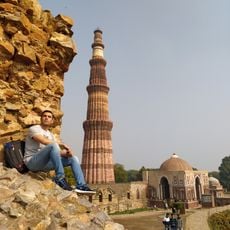
Thousands of visitors, including students, families and foreign travelers, come here to view the monument, which for many symbolizes early Islamic rule on the Indian subcontinent. Architects and art historians study the calligraphic inscriptions and stonework, while school groups frequently tour the compound to learn about medieval Delhi.
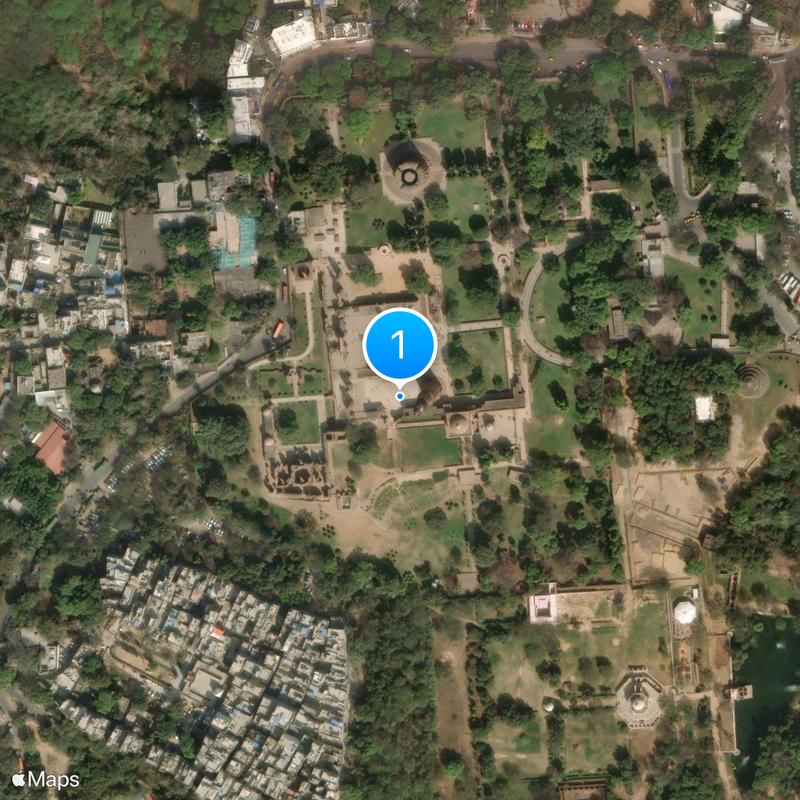
Access to the interior is no longer permitted for safety reasons following a 1981 incident, but the exterior grounds and courtyard remain open to visitors, with a nearby metro station making arrival straightforward. Lighting in the early morning or late afternoon works better for photographs and offers a more comfortable climate during heat.
The compound preserves its original fluted columns and balconies, with the diameter decreasing from 14 meters at the foot to less than three meters at the top, and each story displaying its own ornamentation reflecting the architecture of different dynasties. This variation in style reveals how rulers over two centuries expanded and altered the tower without destroying the harmony of the overall form.
The community of curious travelers
AroundUs brings together thousands of curated places, local tips, and hidden gems, enriched daily by 92,375 contributors worldwide.