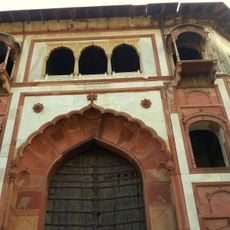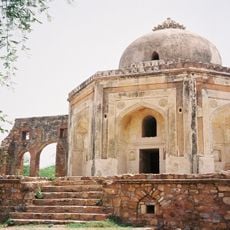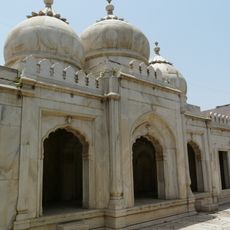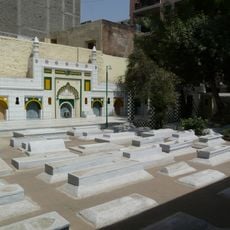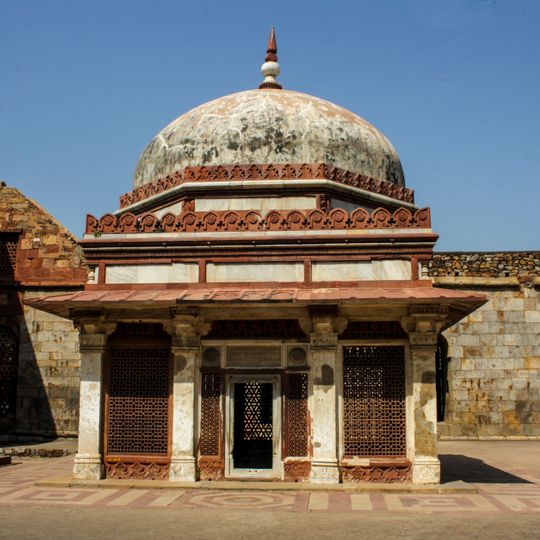
Tomb of Imam Zamin, 16th-century mausoleum in Qutb complex, India
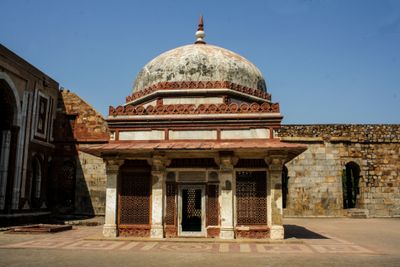
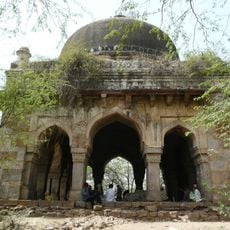
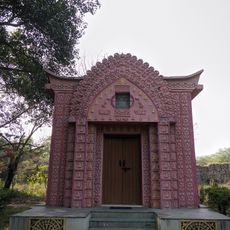
The Tomb of Imam Zamin is a square structure with twelve supporting pillars and a sandstone dome decorated with carved stone screens. Marble panels adorn the area above the roof overhang, giving the building a refined appearance.
Construction took place between 1537 and 1538 during the reign of Mughal emperor Humayun. This period saw Delhi becoming a center where new architectural approaches were being explored and developed.
The tomb shows how Persian and Indian building styles came together, with intricate script and geometric patterns decorating the walls. You can see how different cultural traditions shaped the design of this space.
The mausoleum is located east of the Alai Darwaza within the Qutb complex and is quite small in size. Its location makes it a quiet spot to explore while visiting the larger compound.
Inside, a marble prayer niche adorns the western wall, carved with great skill. The structure holds the burial place of a descendant of Muhammad who came from Turkestan.
The community of curious travelers
AroundUs brings together thousands of curated places, local tips, and hidden gems, enriched daily by 91,995 contributors worldwide.