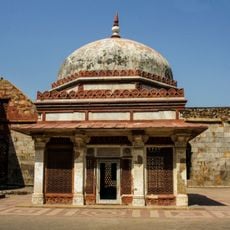
Madrasa and tomb of Alauddin Khalji, Educational and funerary complex in Mehrauli, Delhi, India
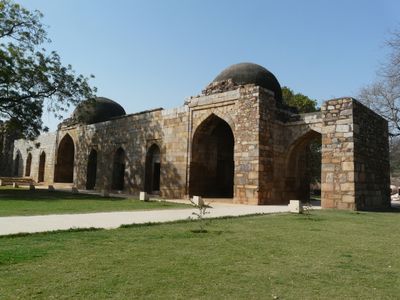
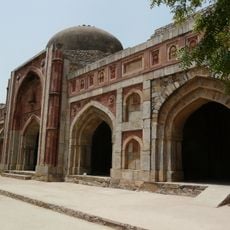
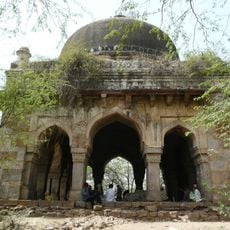
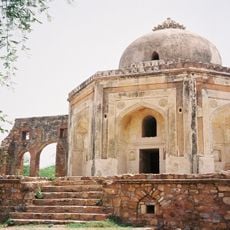
The Madrasa and tomb of Alauddin Khalji form a combined complex in Mehrauli with an L-shaped layout containing seven small cells, two high-domed chambers, and a central room. At its heart lies the burial chamber of the sultan, located within the larger Qutb complex.
This complex was built in 1315 during the Delhi Sultanate period, merging an Islamic school with the burial site of Sultan Alauddin Khalji. Such combined structures became typical for rulers seeking to preserve their memory through both educational and funerary monuments.
This educational center served as a place where students studied Islamic theology and sacred texts, showing how learning and faith were intertwined in medieval Delhi. Visitors can still see the small rooms that once functioned as classrooms for these students.
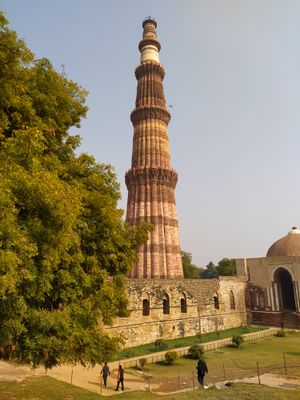
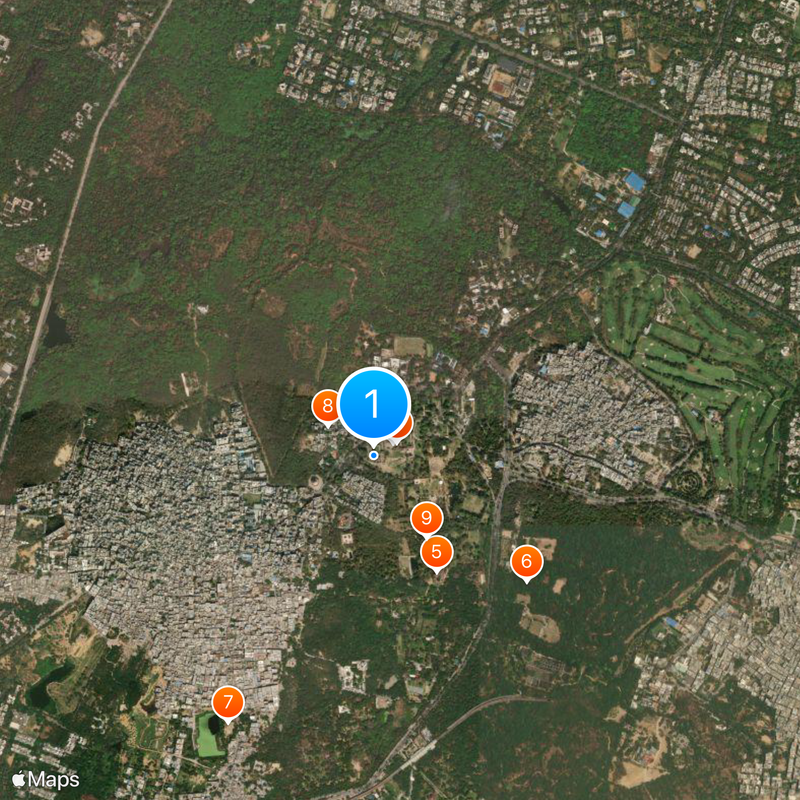
This complex sits within the larger Qutb grounds and is best visited as part of exploring that wider area. It helps to have a basic plan beforehand, since the site contains many buildings spread across the land.
This structure pioneered a special building technique: it was the first building in India to use corbelled pendentives supporting domes with high drums. This innovation in construction methods shows how architecture of the time constantly experimented with new approaches.
The community of curious travelers
AroundUs brings together thousands of curated places, local tips, and hidden gems, enriched daily by 91,999 contributors worldwide.