Mehrauli Archaeological Park, Archaeological site in Mehrauli, Delhi, India
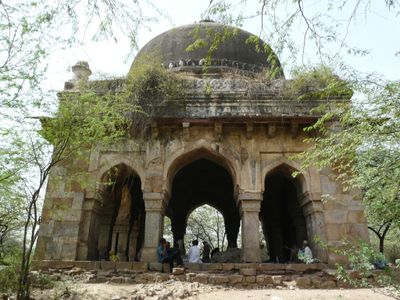
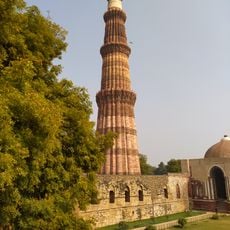
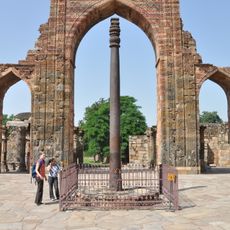
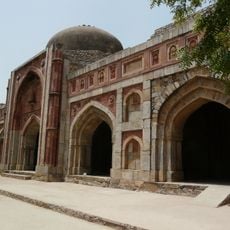
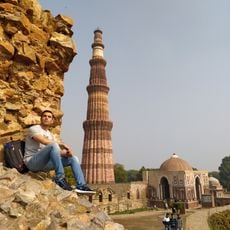
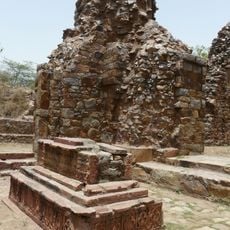
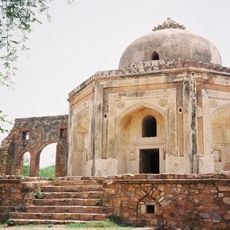
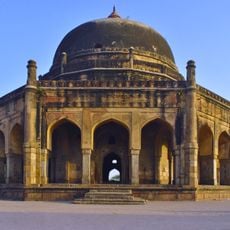
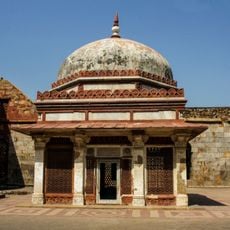
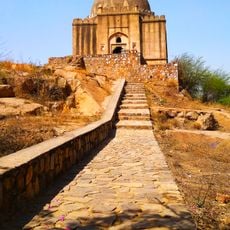
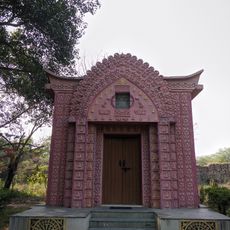
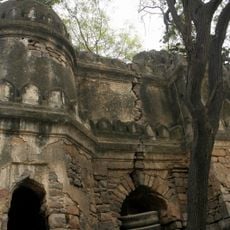
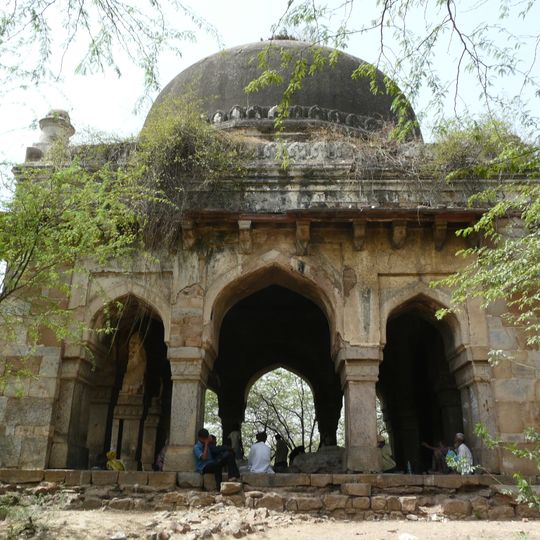
Mehrauli Archaeological Park is a large site in southern Delhi with structures from different periods of Indian history, including tombs, mosques, pavilions and crumbling walls. The grounds extend over hilly terrain and dense tree cover, with monuments scattered along red earth paths and often partly overgrown by vegetation.
The park's oldest surviving structure is Lal Kot, a fort built by the Tomar Rajputs in 1060 CE, predating the Delhi Sultanate. Later monuments record the Khalji, Tughlaq and Lodhi dynasties of the Sultanate, then the Mughal Empire and the British Raj. The tomb of Ghiyas ud-din Balban, from about 1287 CE, holds the earliest surviving true arch and true dome in the Indian Subcontinent.
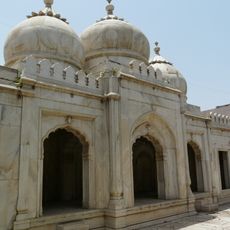
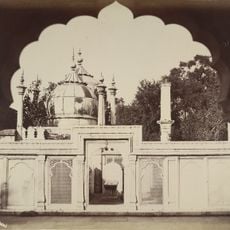
The park holds the Jamali Kamali Mosque and the tomb of Maulana Jamali Kamali, built between 1526 and 1535 CE. Since 2000 INTACH has run heritage walks here, and it has restored about 40 monuments, adding signage, heritage trails and sandstone trail-markers along the routes.
The site is best explored on foot with sturdy shoes for the unpaved paths, and some structures lie off the main routes. Early morning or late afternoon work well for a visit, as the midday heat retreats among the trees and the light softens on the stone walls.
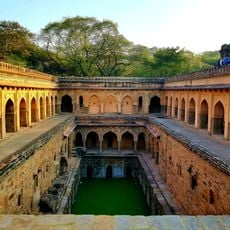
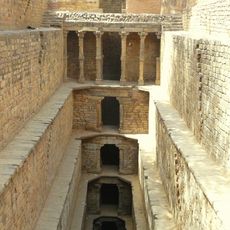
Inside the grounds stands a 16th-century stepwell that once supplied water to surrounding villages and now lies dry, but still shows its complex terraced structure. Some of the tombs retain original frescoes on interior walls, often overlooked when viewing only the exterior.
The community of curious travelers
AroundUs brings together thousands of curated places, local tips, and hidden gems, enriched daily by 92,724 contributors worldwide.