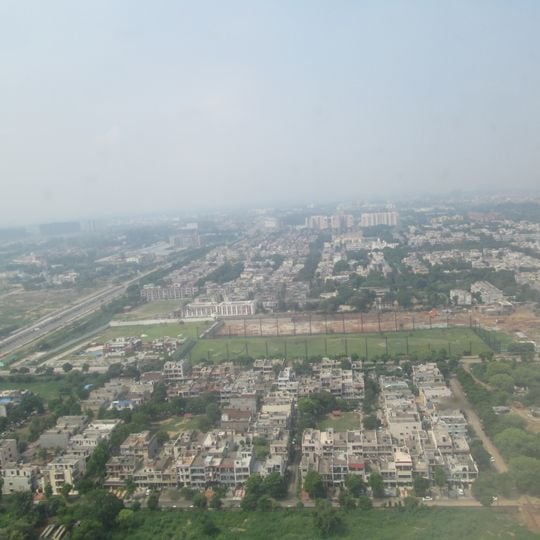
Chandigarh, Modernist capital city in northern India
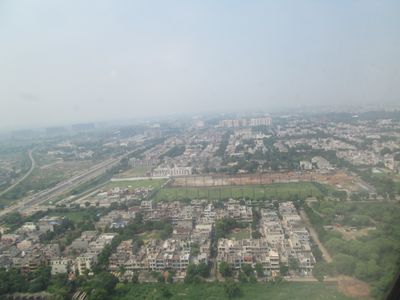
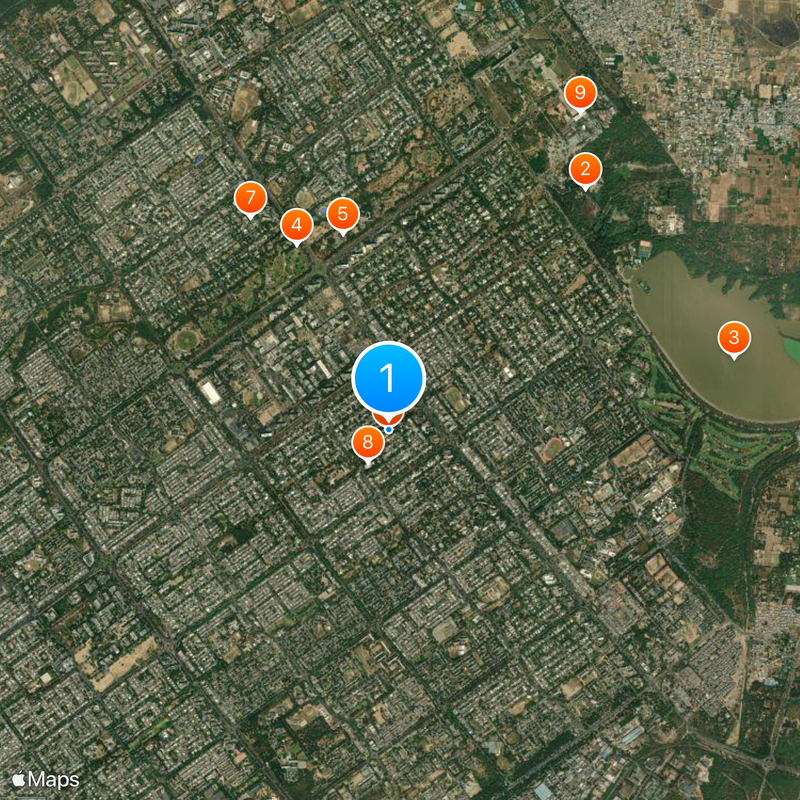
Chandigarh is a planned capital in northern India organized according to a strict grid system with numbered sectors each measuring roughly 800 by 1200 meters (half a mile by three quarters of a mile). Each sector contains residential zones, shops, and green areas, while wide avenues connect the different parts of the layout.
India needed a new capital for Punjab after the partition of 1947, so French-Swiss architect Le Corbusier was hired to create the design. The first government buildings and residential neighborhoods were finished by 1953, making this one of the earliest fully planned cities in independent India.
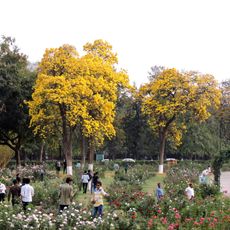
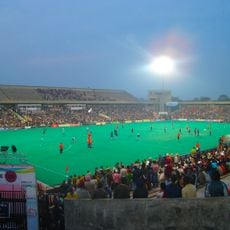
Residents gather in the evening at neighborhood parks and markets where vendors sell seasonal snacks and families stroll after work. The city serves both Punjab and Haryana, bringing together communities from different regions who maintain their traditional celebrations while sharing public spaces.
Government offices, schools, shops, and residential areas occupy separate zones, with Sector 17 serving as the main commercial hub. Wide roads and public transport connect the sectors, making it relatively easy for visitors to find their way around the numbered layout.
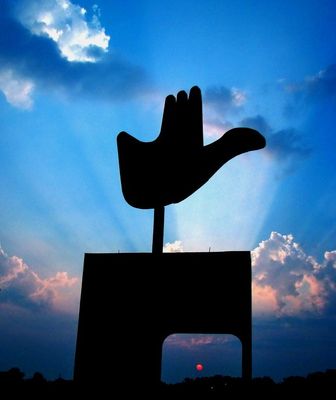
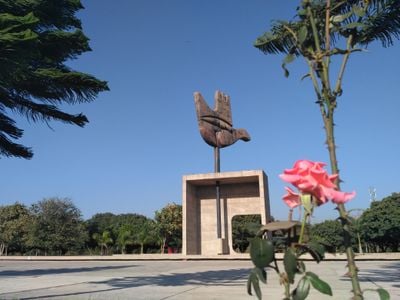
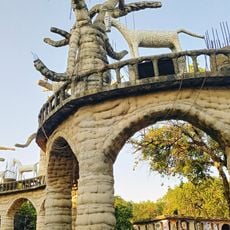
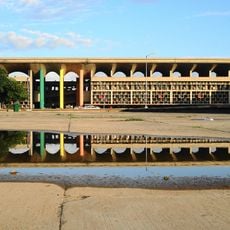
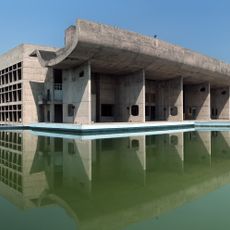
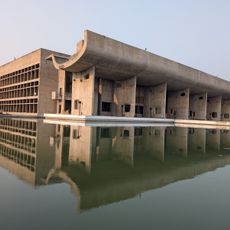
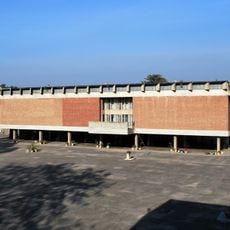
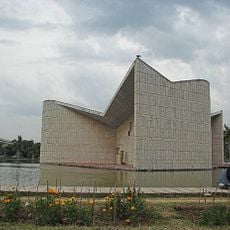
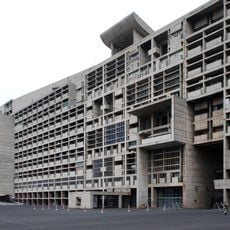
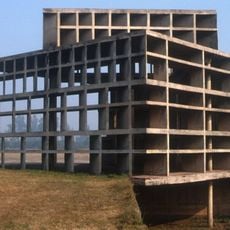
The Capitol Complex includes government and court buildings with exposed concrete forms based on democratic principles, connected by open plazas. Rock Garden covers about 40 acres (16 hectares) and displays sculptures entirely made from reclaimed materials such as broken tiles, bottles, and industrial scraps.
The community of curious travelers
AroundUs brings together thousands of curated places, local tips, and hidden gems, enriched daily by 90,738 contributors worldwide.