Open Hand Monument, Monument in Chandigarh, India
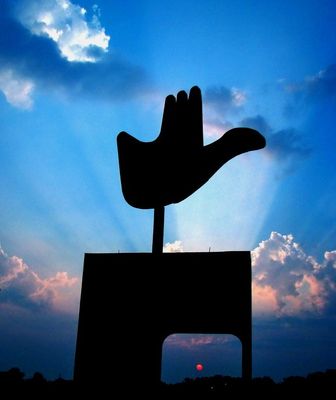
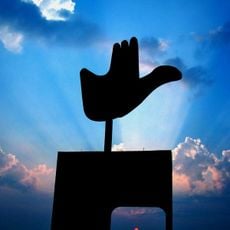
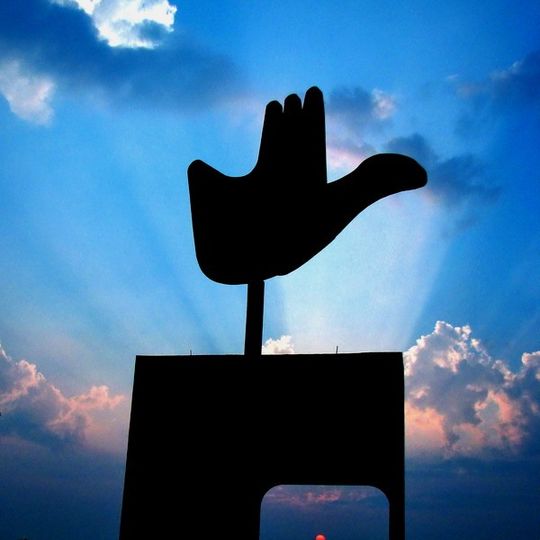
The Open Hand Monument is a 26-metre-high structure in Chandigarh's Capitol Complex: a hand of sheet metal, cast at the Bhakra Nangal workshop, mounted on a steel shaft with ball bearings so that the 14-metre, 50-ton vane turns in the wind above a 12.5 by 9 metre trench.
Le Corbusier first conceived the Open Hand in 1948, and in 1951 he discussed it with Prime Minister Jawaharlal Nehru, who endorsed the idea. Funds were long lacking, and the sculpture was only realised in 1985, twenty years after the architect's death. It was hand-cast in sheet metal at the Bhakra Nangal Management Board workshop in Nangal and built beside the site once intended for the governor's residence.
Le Corbusier called the Open Hand a symbol of "peace and reconciliation... open to give and open to receive", and it became the emblem of the Chandigarh government. His associate Jerzy Soltan had debated with him whether to model an open hand or a fist gripping a weapon; the open hand won. The idea dates to 1948, and Le Corbusier proposed it to Jawaharlal Nehru as a possible emblem of the Non-Aligned Movement, though it was not adopted for that.
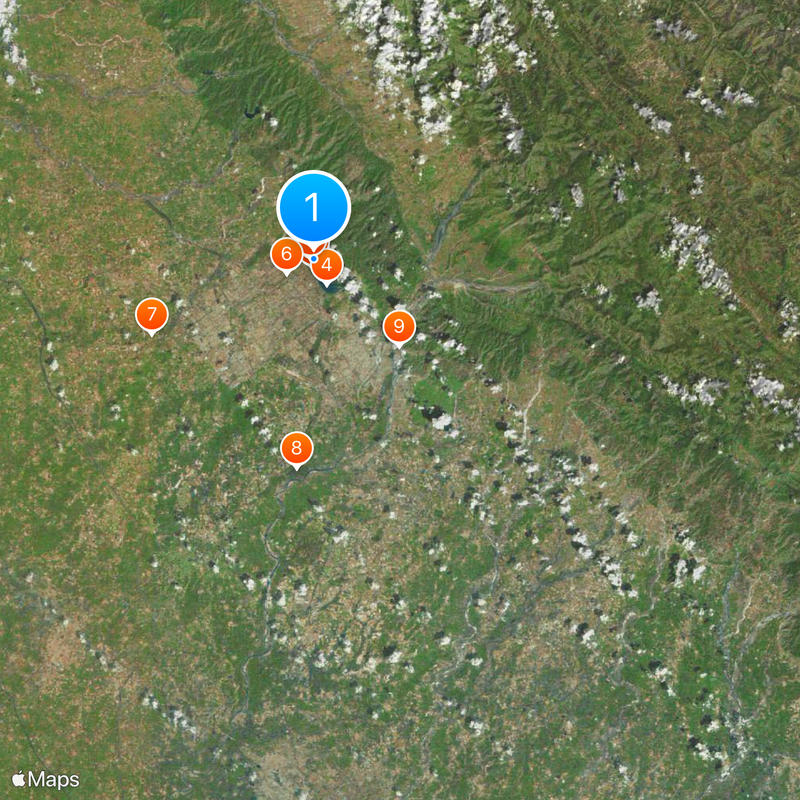
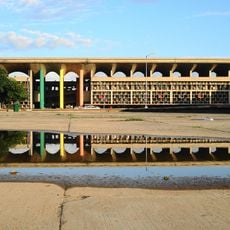
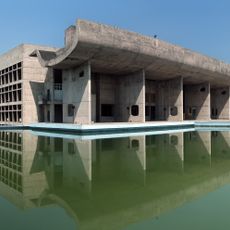
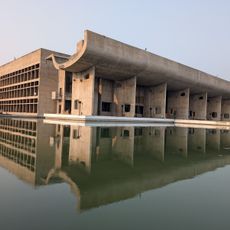
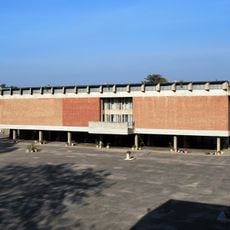
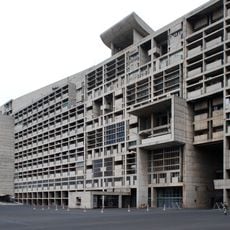
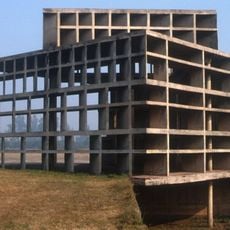
The Open Hand stands in Sector 1 of the Capitol Complex, on the plateau below the Shivalik range, beside the trench of 12.5 by 9 metres that forms its base. The Capitol Complex buildings around it are a UNESCO-listed ensemble, and the monument is viewed from the open ground of the sector rather than from inside a building.
The structure weighs around 50 tons and was engineered to rotate with the wind while maintaining its position. This makes it not just an artistic statement but also a functioning tool that harnesses natural forces.
The community of curious travelers
AroundUs brings together thousands of curated places, local tips, and hidden gems, enriched daily by 94,668 contributors worldwide.