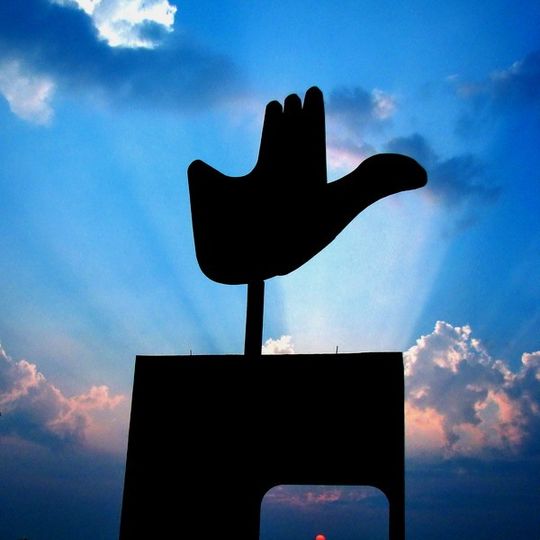
Politics of Chandigarh, Political system in Chandigarh, India
The politics of Chandigarh refers to the governance of a union territory in northern India, where executive authority rests with an Administrator appointed directly by the President of India. A Municipal Corporation handles local services and urban management alongside this territorial administration.
Chandigarh became a union territory in 1966 after Punjab was divided into two states, both of which needed a capital. The city was kept under central government control as a compromise, giving it a governing structure unlike most Indian states.
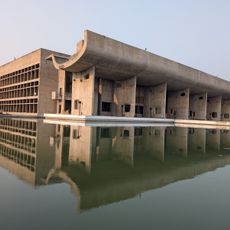
Chandigarh serves as the capital of both Punjab and Haryana at the same time, which means two states share one city as their seat of government. This arrangement is visible in daily life, as local offices often coordinate with two separate state governments.
Because Chandigarh functions as both a union territory and a shared state capital, visitors dealing with administrative matters should check in advance which office handles their specific need. Arriving early in the morning is generally the best way to avoid long waits at public offices.
The Administrator of Chandigarh also holds the title of Governor of Punjab at the same time, making one person responsible for both a territory and a full state. This double role has no equivalent elsewhere in India and comes directly from the 1966 division agreement.
The community of curious travelers
AroundUs brings together thousands of curated places, local tips, and hidden gems, enriched daily by 91,685 contributors worldwide.