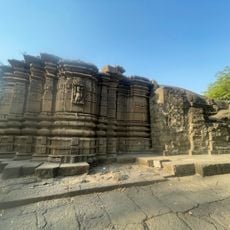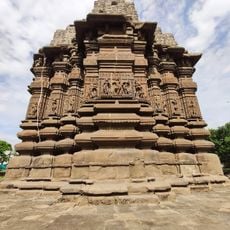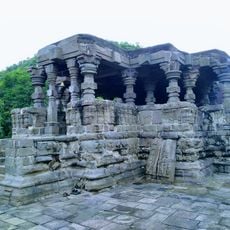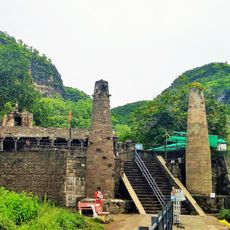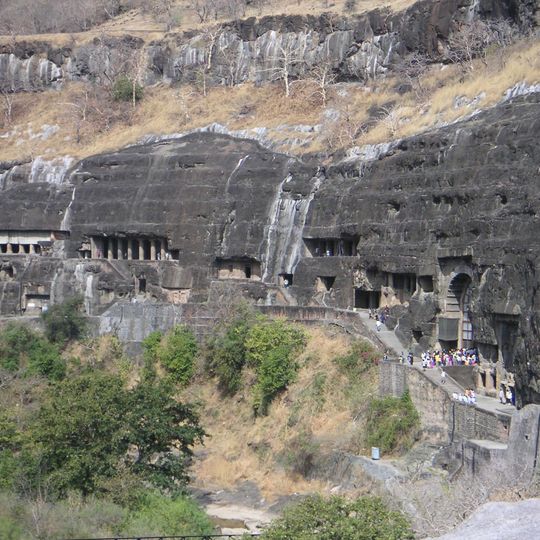
Ajanta Caves, Buddhist caves in Sambhajinagar district, India.
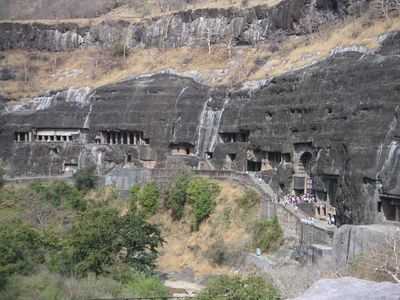
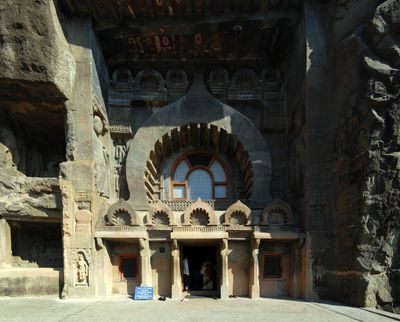
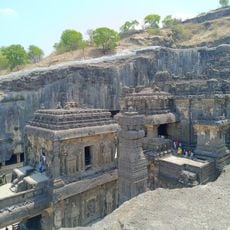
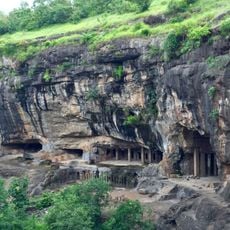
Ajanta Caves form a series of 29 rock-cut structures extending along the Waghora River in a horseshoe arrangement along a cliff face. The complex consists of prayer halls (chaityas) with vaulted ceilings and residential chambers (viharas) featuring colonnaded verandas surrounding central courtyards.
The earliest chambers were created between the 2nd century before Christ and the 1st century after Christ under Satavahana rule. After a break of several centuries, a second building phase began under the Vakataka dynasty around the year 460 and ended approximately 480, when richly decorated rooms with extensive murals were completed.
Visitors today observe Buddhist pilgrims placing flowers before carved stupas and reciting prayers, while international scholars wander through corridors studying the murals closely. Monks from different Asian countries come here to contemplate Jataka teachings, and local guides share stories of how artists and ascetics once lived and worked together in these sacred spaces.
The site opens daily from sunrise to sunset, with multilingual guided tours available at the entrance. During monsoon season from June through September, access may be restricted due to weather conditions, while cooler months between October and March offer more comfortable visiting conditions.
Artists applied colors onto multiple plaster layers using natural minerals, plants and animal products as pigments for detailed murals. Some depictions contain lapis lazuli from Afghanistan, indicating far-reaching trade networks, while certain frescoes employ a technique with egg white as a binding agent that contributed to exceptional color preservation over fifteen centuries.
The community of curious travelers
AroundUs brings together thousands of curated places, local tips, and hidden gems, enriched daily by 90,757 contributors worldwide.