Ghatotkacha Cave, Buddhist cave complex in Maharashtra, India
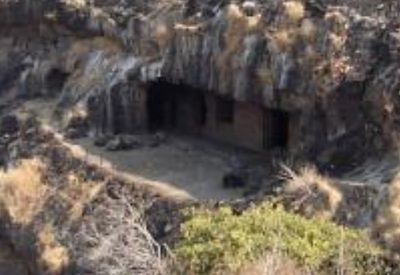
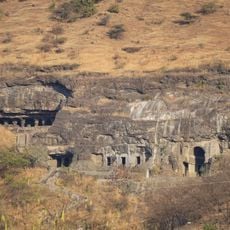
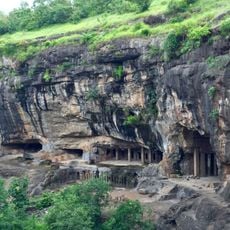
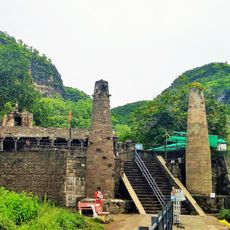
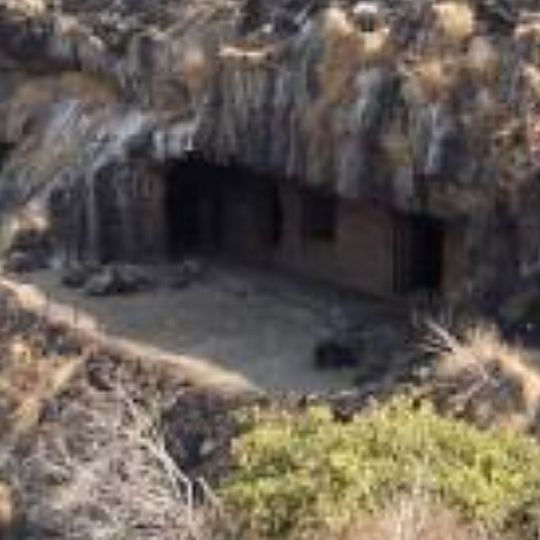
Ghatotkacha Cave is a Buddhist rock-cut temple in Maharashtra, India, made up of three chambers carved directly into a cliff face, with one prayer hall and two spaces used by monks for shelter. All three rooms are hollowed out of solid rock, with no added materials, and the carving work covers both walls and ceilings.
The cave was created in the 6th century, during a period when the Vakataka dynasty controlled the region and supported the construction of rock-cut religious sites. After the dynasty declined, the site was gradually abandoned and eventually forgotten by most, until it was rediscovered in more recent times.
The prayer hall still shows carvings on its walls that reflect the daily devotion of the monks who once lived here. Walking through the residential chambers gives a clear sense of how simple and spare monastic life was at this site.
The site lies west of Ajanta in a remote area with no easy road access, so hiring a local guide before heading out is a good idea. The ground around the cave is uneven, so solid footwear and enough water for the walk are worth bringing.
An inscription inside names a donor whose family background was Hindu, yet who funded the construction of this Buddhist sanctuary. This detail points to how people of different faiths in ancient India sometimes supported each other's sacred spaces without it being considered unusual.
The community of curious travelers
AroundUs brings together thousands of curated places, local tips, and hidden gems, enriched daily by 90,845 contributors worldwide.