Madhya Pradesh, State in central India
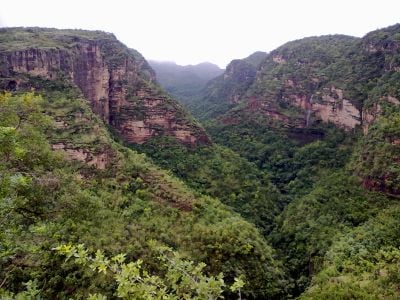
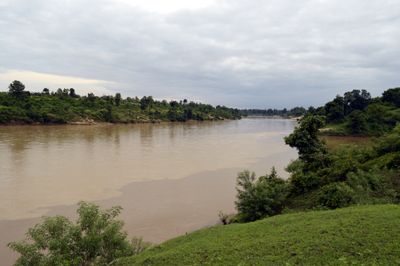
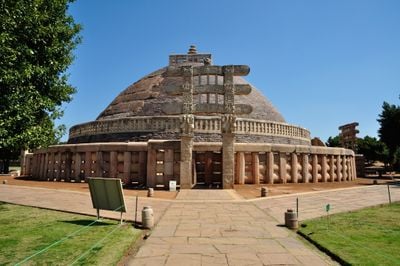
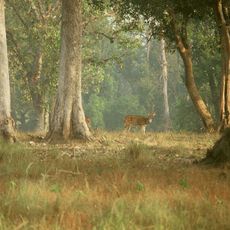
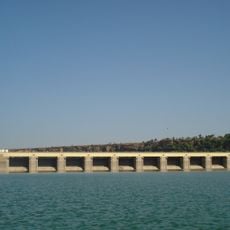
Madhya Pradesh lies in the heart of the country, spreading over plateaus, forested hills, and river valleys such as those carved by the Narmada. The landscape shifts between dry zones with bare hills, denser forests in the east, and rocky gorges where the river winds through marble cliffs.
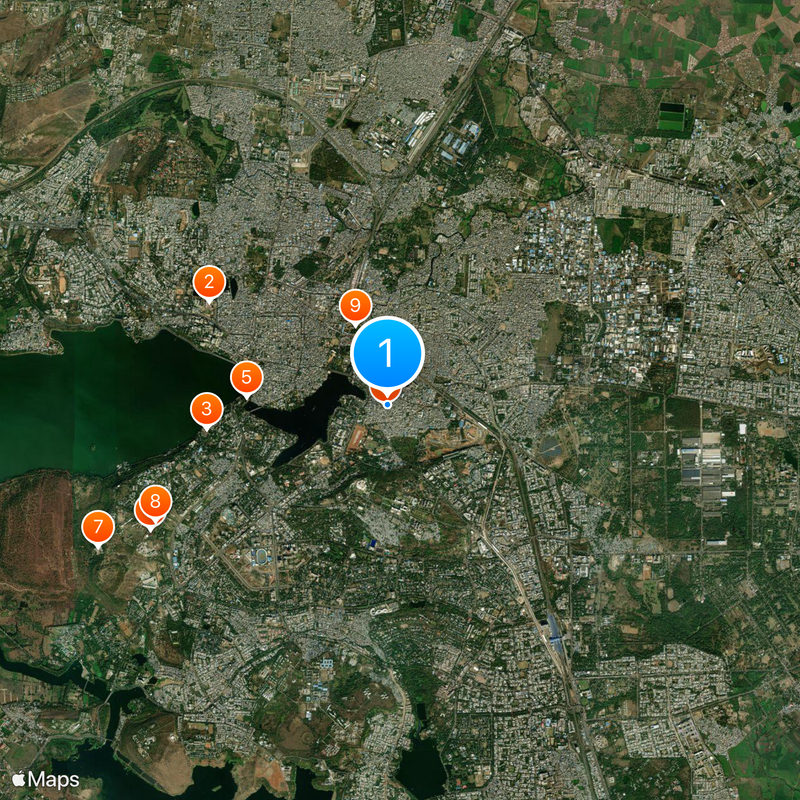
This territory was reorganized in 1956 by merging several princely states, and Bhopal was chosen as the capital. Parts of the eastern region later separated to form a new state, which fixed the current boundaries.
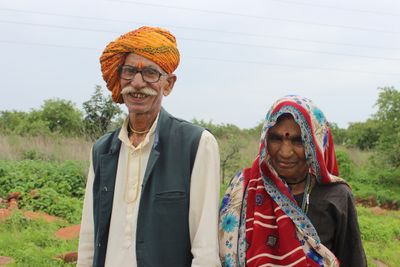
Local festivals often feature folk dances such as the Matki and Tertali, performed by communities during harvest celebrations. Markets sell Chanderi silk and Maheshwari saris woven by artisans who continue traditional weaving methods passed down through generations.
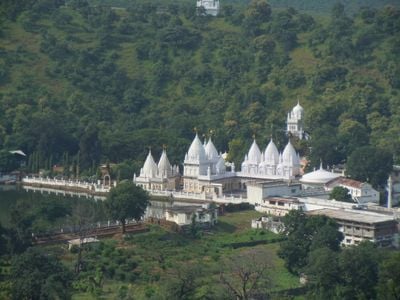
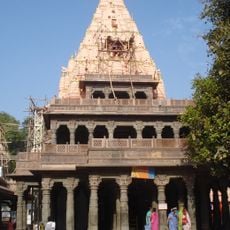
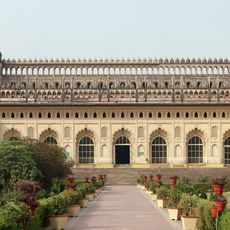
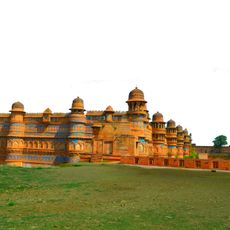
Travelers reach cities such as Bhopal, Indore, and Jabalpur by train from Delhi and Mumbai, with frequent daily services. Those visiting temples, national parks, or the marble gorges should plan a few days and expect long distances between sites.
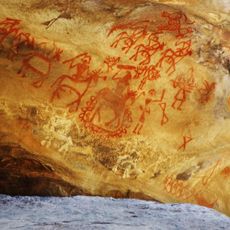
The Bhimbetka rock shelters hold over 500 painted caves from the Mesolithic period, considered the oldest evidence of human presence on the subcontinent. Some paintings depict hunters and animals using simple pigments that have lasted thousands of years.
The community of curious travelers
AroundUs brings together thousands of curated places, local tips, and hidden gems, enriched daily by 90,757 contributors worldwide.