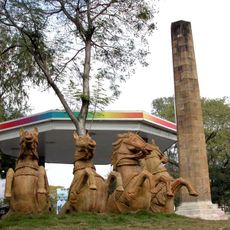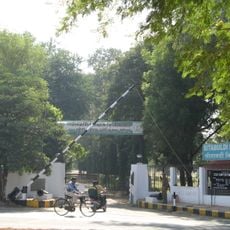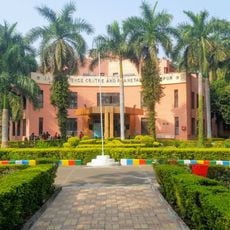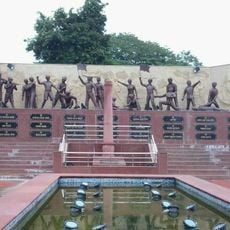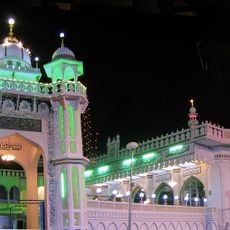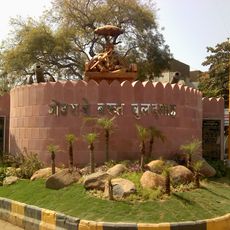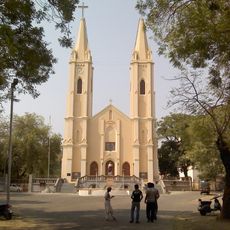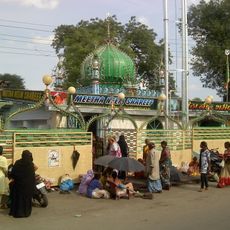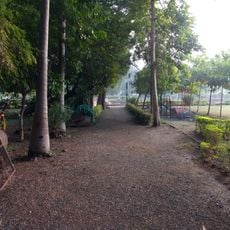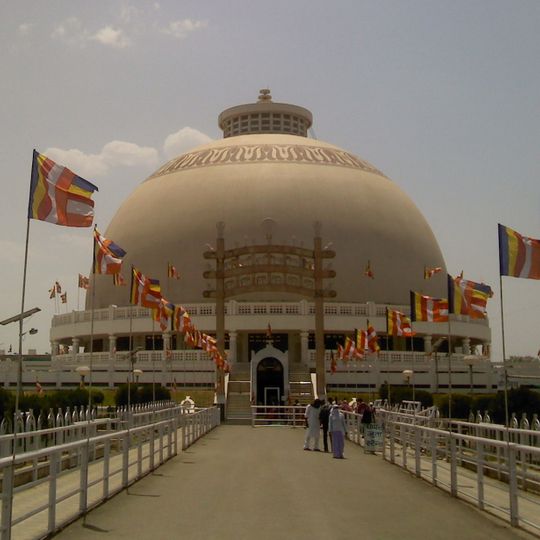
Deekshabhoomi, Buddhist monument in Nagpur, India.
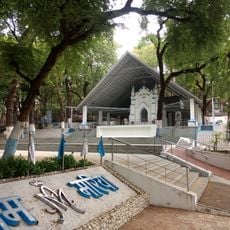
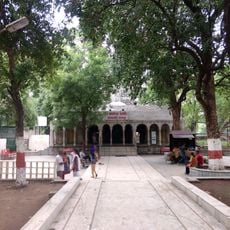
Deekshabhoomi is a Buddhist monument in Nagpur, in the state of Maharashtra in India. The complex consists of a large stupa with a central dome that recalls the ancient structures of Sanchi.
On 14 October 1956, Dr. B.R. Ambedkar and about 400,000 followers, mostly Dalits, took the Three Jewels and Five Precepts here from the Burmese monk Mahasthavir Chandramani, on Ashoka Vijaya Dashami. Ambedkar had declared in 1935 that he would not die a Hindu. He chose Nagpur because it was the homeland of the 'Nag' people who embraced Buddhism early. He died on 6 December 1956; the conversions continued, reaching 15–20 million by March 1959.
The name joins deeksha, the act of ordaining, and bhoomi, ground: the ground where people were ordained as Buddhists. Every 14 October, Dhamma Chakra Pravartan Din draws 1.5 to 2 million pilgrims, and monks from Japan, Thailand, Myanmar and Sri Lanka join the observances.
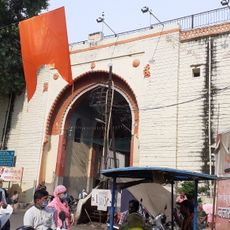
The site is open daily from 6 AM to 8 PM and charges no admission fee. The nearest metro station is at Rahate Colony, from where the grounds can be reached on foot.
The stupa is the largest hollow Buddhist stupa in the world: its interior is a single open circular hall of about 4,000 square feet, unlike Sanchi's solid mound. The dome rises 120 feet, and the Buddha image at the centre of the ground-floor hall was donated by Thai students at Nagpur University.
The community of curious travelers
AroundUs brings together thousands of curated places, local tips, and hidden gems, enriched daily by 92,828 contributors worldwide.