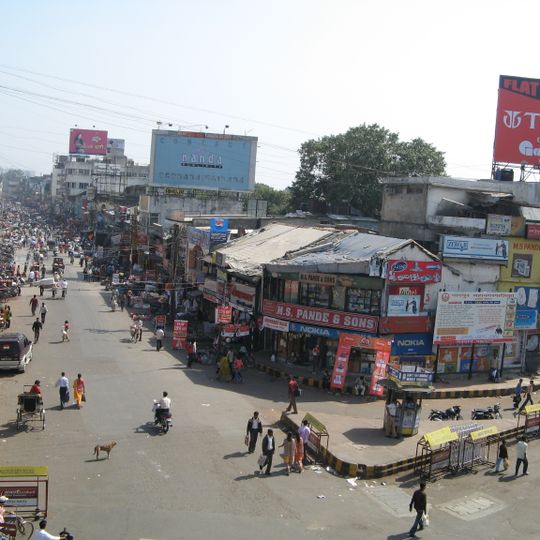
Nagpur, Educational hub in Maharashtra, India
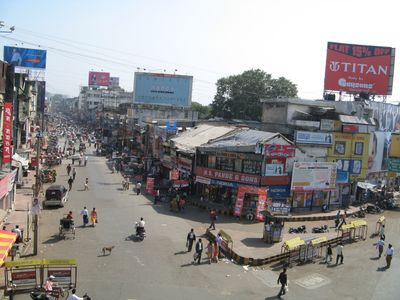
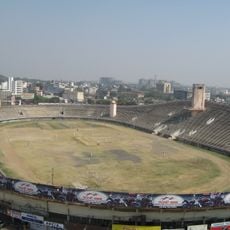
Nagpur is a large city in Maharashtra, India, developed as an educational and commercial center with a mix of older neighborhoods and newer districts. It sits on a plateau crossed by low flat-topped hills and spreads across fertile black soil valleys surrounded by agricultural land and residential areas.
The city was founded in 1702 by the Gond king Bakht Buland Shah as a regional trading center, later becoming part of British territories. After British annexation in 1853, it was designated capital of the Central Provinces, expanding its administrative role.
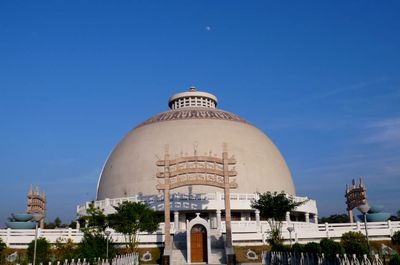
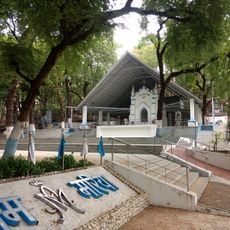
Pilgrims gather throughout the year at Deekshabhoomi, where mass conversions to Buddhism took place, creating a visible community of devotees and visitors. Markets sell locally grown oranges, which flourish in the surrounding region, and cotton-based textiles woven from crops cultivated in the nearby plains.
The city lies between several major metropolitan areas and can be reached by train or through an international airport with connections across the country. Visitors find accommodations in different districts, with many religious and commercial areas accessible on foot or by local transport.
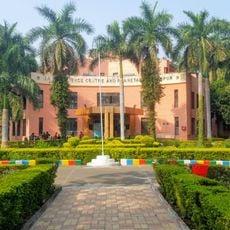
The city hosts two research institutions focused on environmental engineering and cotton cultivation, studying fields related to agriculture and ecological development. Their work influences farming practices in the region and contributes to projects improving soil conservation and crop yield.
The community of curious travelers
AroundUs brings together thousands of curated places, local tips, and hidden gems, enriched daily by 92,560 contributors worldwide.