Mahārāṣṭra, State in western India
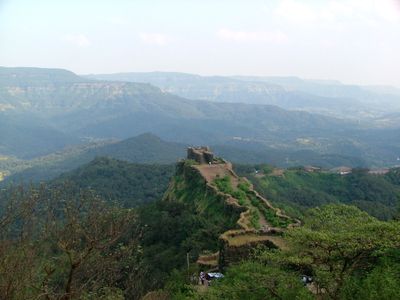
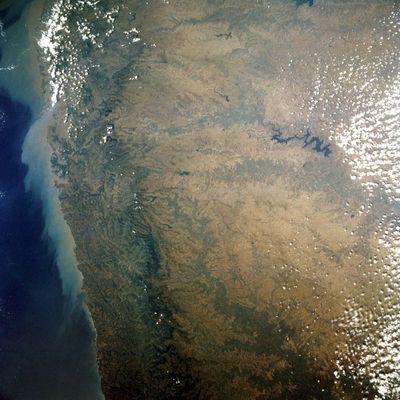
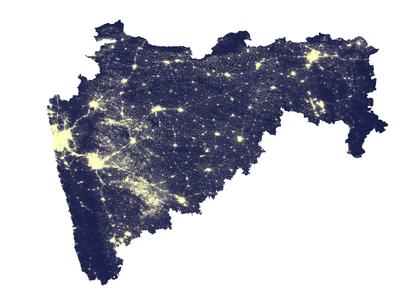
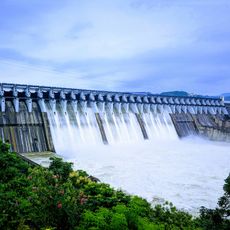
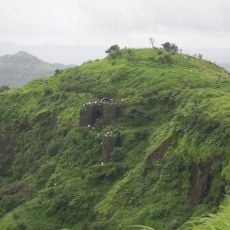
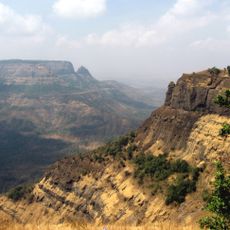
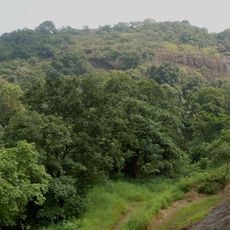
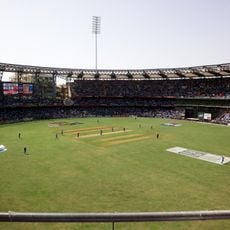
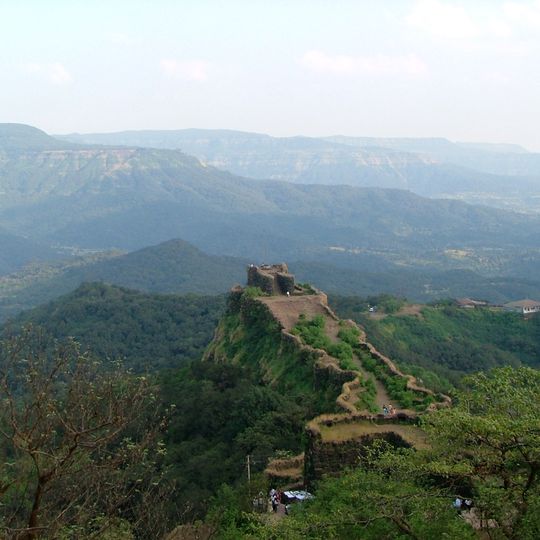
This state extends from the Arabian Sea coastline through coastal plains to the Deccan Plateau highlands, encompassing 307,713 square kilometers (118,809 square miles) of mountains, forests, rivers and agricultural lands that include different climate zones and vegetation types across its territory.
Various dynasties controlled this region over centuries, including the Satavahanas, Chalukyas and Delhi Sultanate, before the Maratha Empire gained power and expanded in the 17th century under Shivaji, until British colonial rule arrived and fundamentally reshaped administrative structures.
Marathi language permeates public life through schools, government offices and theater stages, where traditional performance forms like Tamasha and Lavani have conveyed everyday experiences through artistic expression for centuries, maintaining their relevance in contemporary society and connecting generations through shared cultural practices.
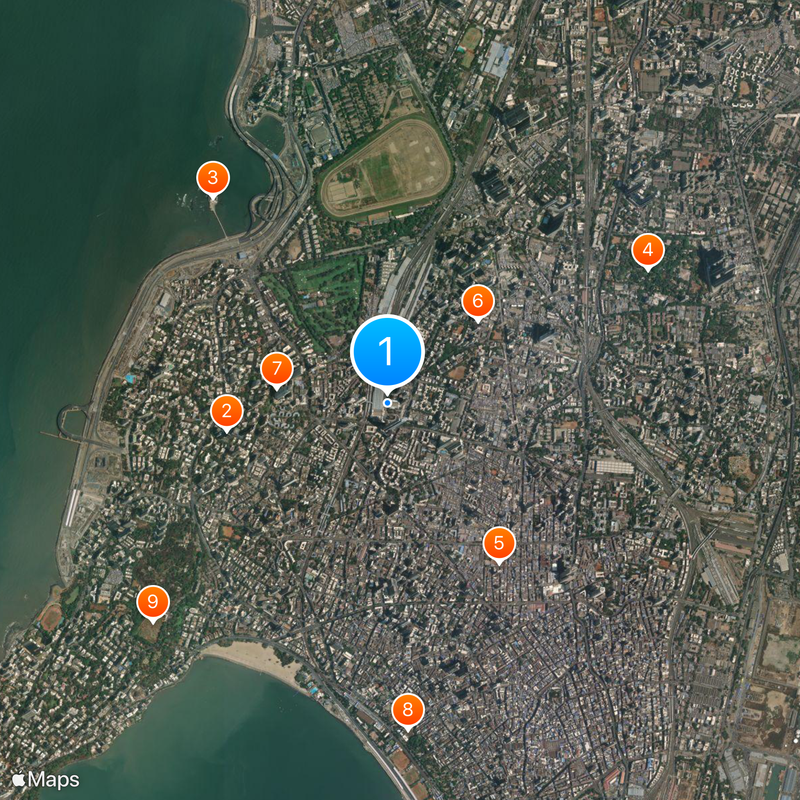
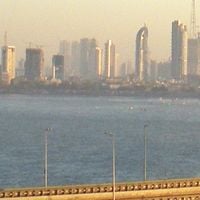
Mumbai serves as the capital and main transportation hub with international flight connections, while the best visiting period runs from October through March, when temperatures moderate and monsoon rains have subsided, making exploration across all regions more manageable and transportation routes more reliable.
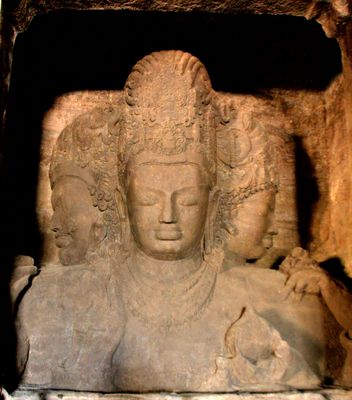
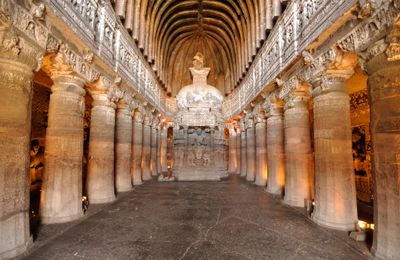
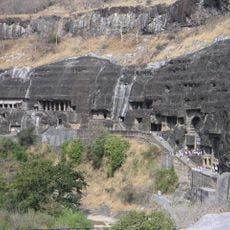
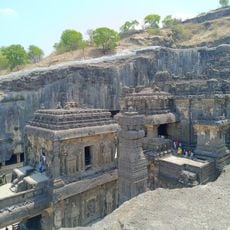
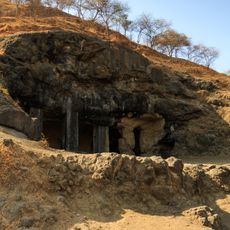
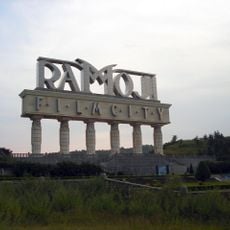
The state houses both Bollywood as the country's foremost film industry and the highest number of World Heritage Sites in India, including Ajanta and Ellora Caves and Chhatrapati Shivaji Terminus railway station, underscoring its cultural importance on a national scale.
The community of curious travelers
AroundUs brings together thousands of curated places, local tips, and hidden gems, enriched daily by 91,922 contributors worldwide.