Gateway of India, Triumphal arch in Colaba district, Mumbai, India
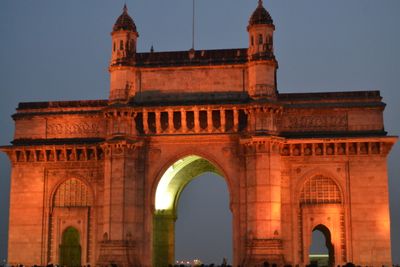
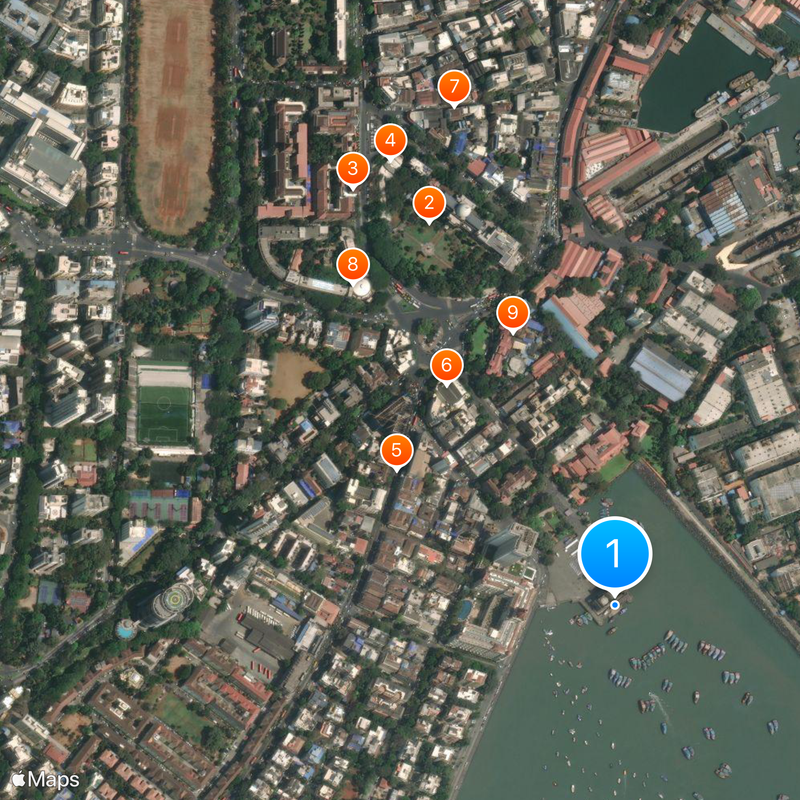
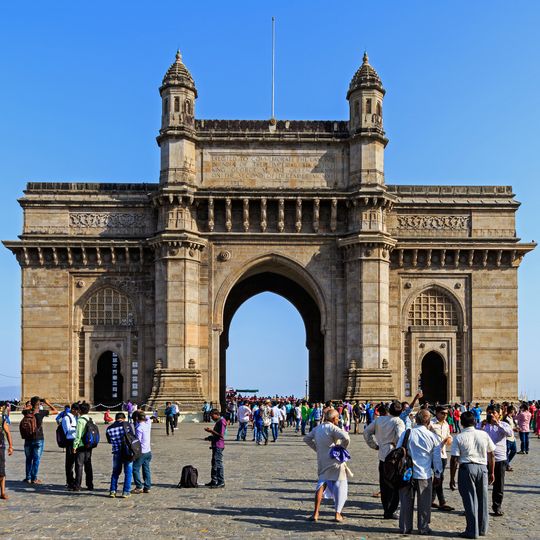
The Gateway of India is a triumphal arch built from yellow basalt stone along the waterfront of Mumbai Harbor, rising roughly 26 meters into the air. The structure measures around 15 meters across and stands on a platform that juts out into the Arabian Sea.
The foundation stone was laid in 1911 when King George V and Queen Mary visited India, but construction did not begin until 1920. The work was completed in 1924, and the British left India through this arch in 1948 when the country gained independence.
Locals gather in the late afternoon around the monument to meet friends, buy snacks, or simply enjoy the harbor breeze. Street photographers offer to pose visitors in traditional dress against the arch, while families with children use the open space to play and rest.
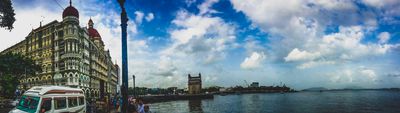
Ferries to Elephanta Island depart from the adjacent dock, and the area around the monument stays active during the day and lit at night. Visitors find seating along the waterfront promenade and can buy refreshments from mobile vendors working the area.
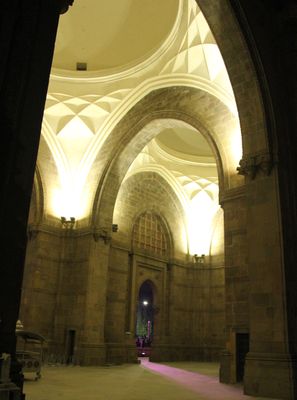
The architect George Wittet combined elements of Indian temple architecture with Scottish design techniques, so the structure displays stonework patterns from Gujarat and a central dome motif that recalls Islamic design. Although the monument was intended as a gate for royal visits, it later served as a symbolic exit point for the departing colonial power.
The community of curious travelers
AroundUs brings together thousands of curated places, local tips, and hidden gems, enriched daily by 90,790 contributors worldwide.