Uttarakhand, State in northern India
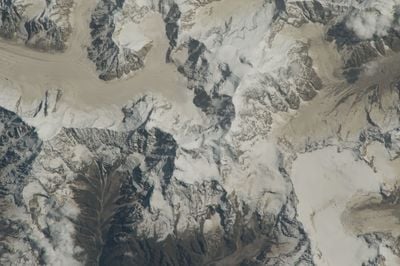
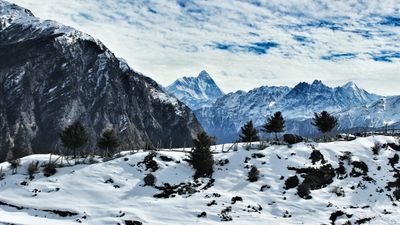
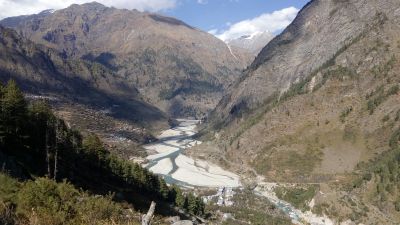
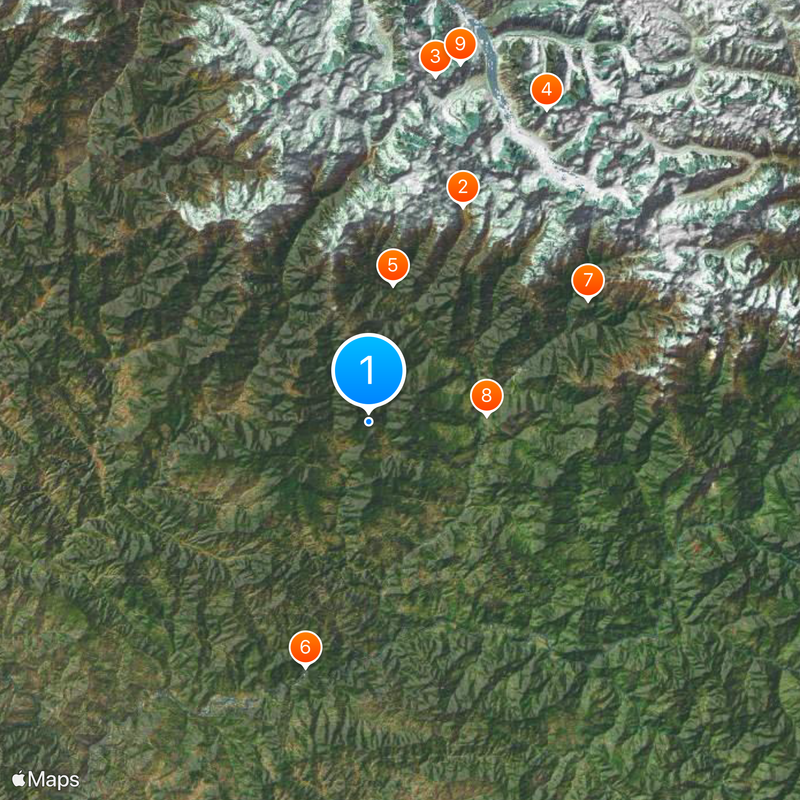
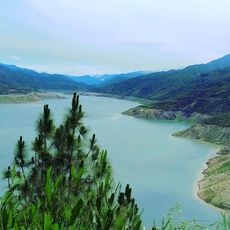
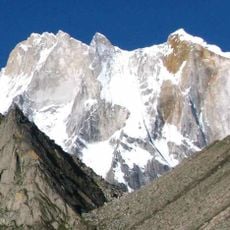
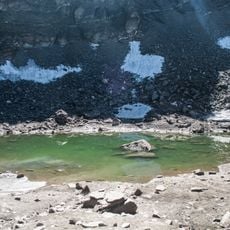
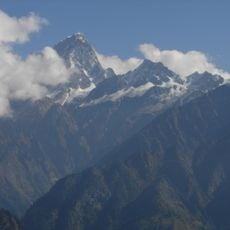
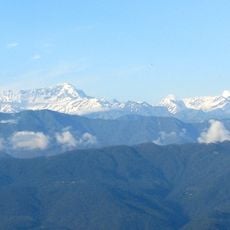
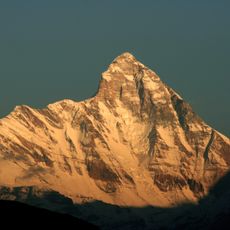
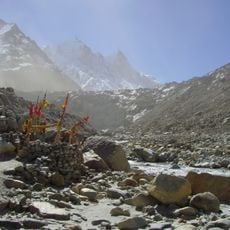
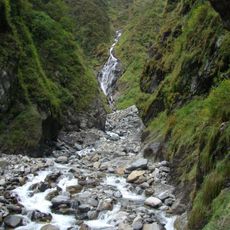
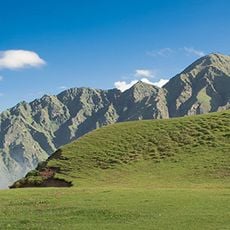
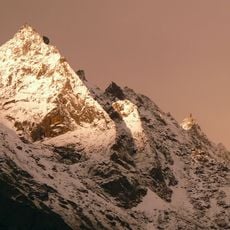
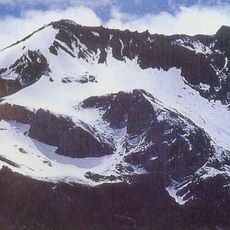
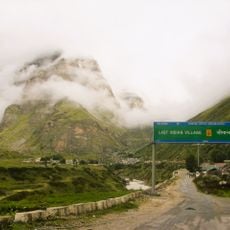
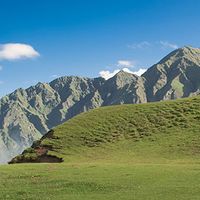
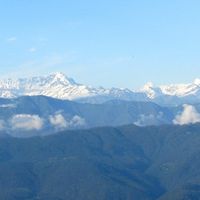
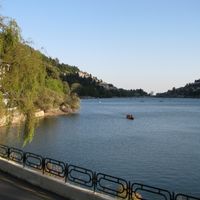
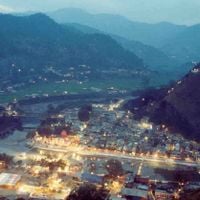
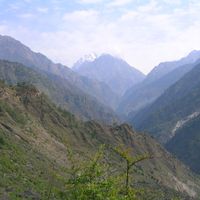
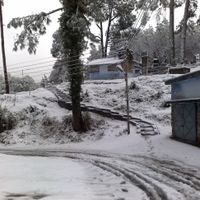
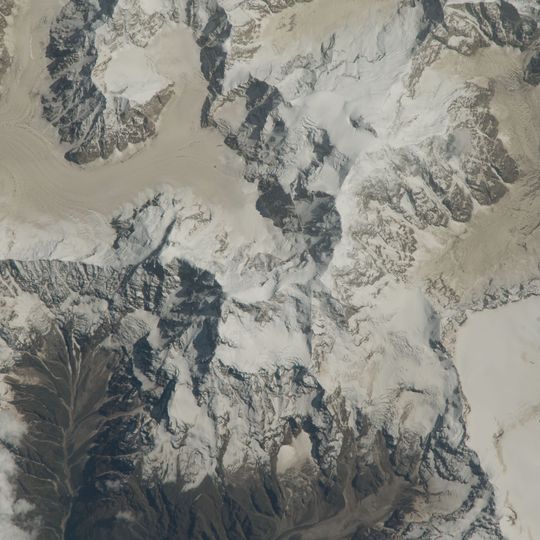
Uttarakhand is a state in the northern part of India that stretches along the Himalayan ranges and includes both forested valleys and high mountain zones. The landscape shifts from subtropical river basins in the south to glaciated peaks in the north, with several rivers cutting through deep gorges and wide plains.
The region was established as a separate state in November 2000 after breaking away from Uttar Pradesh and forming a new administrative unit. Before that, it had been organized under various Hindu kingdoms for centuries before coming under British and later Indian control.
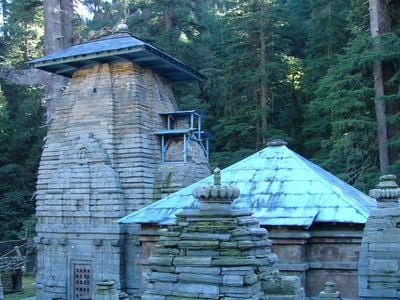
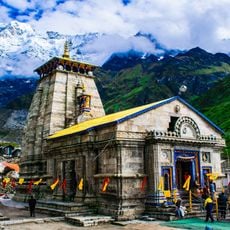
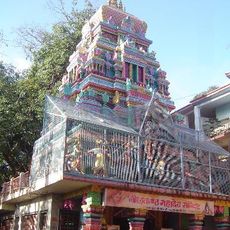
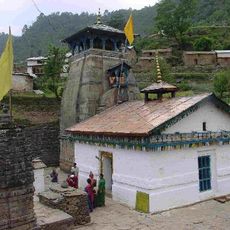
Across the region, people speak two main dialect groups, Garhwali in the west and Kumaoni in the east, which differ noticeably in intonation and vocabulary. Local festivals follow the agricultural calendar and religious occasions, with villages and small towns coming alive during these events through music, dance and communal meals.
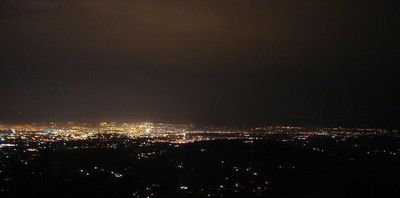
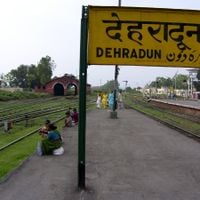
The capital Dehradun serves as an entry point with air, rail and road links, from which highways lead into the mountainous interior. Travelers should expect frequent elevation changes, as many destinations are accessible only via winding mountain roads.
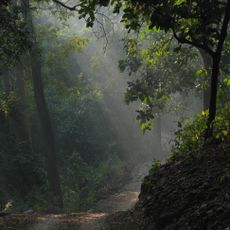
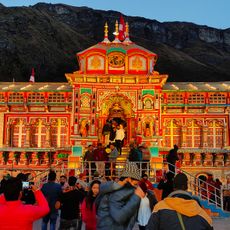
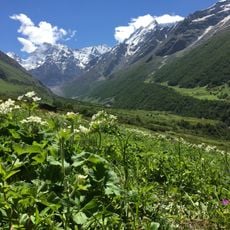
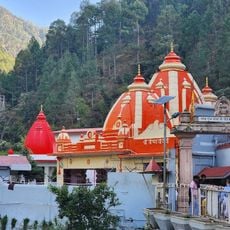
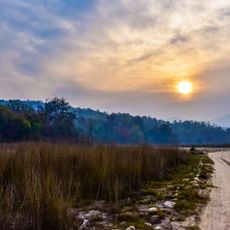
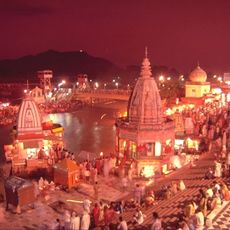
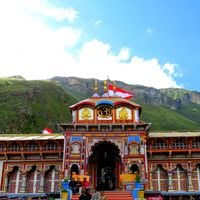
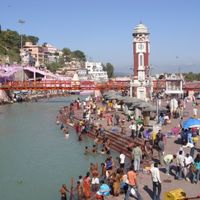
Over 65 percent of the area is covered with forest, creating different ecosystems from subtropical zones to alpine meadows that host species such as Bengal tigers and elephants. Several rivers that originate here are considered sacred and attract pilgrims throughout the year who perform ritual bathing in the waters.
The community of curious travelers
AroundUs brings together thousands of curated places, local tips, and hidden gems, enriched daily by 90,791 contributors worldwide.