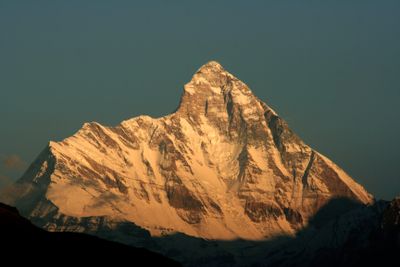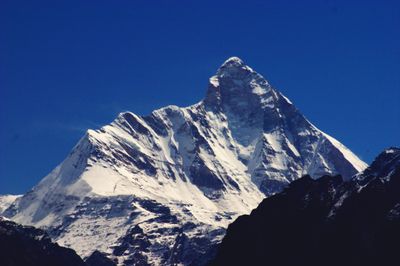
Nanda Devi National Park, National park in Uttarakhand, India.
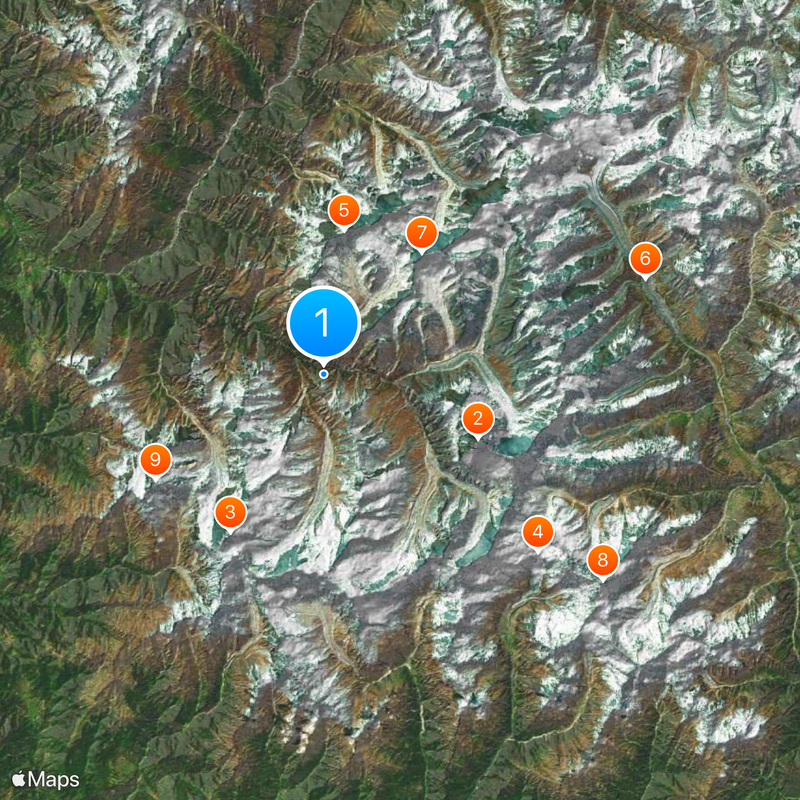
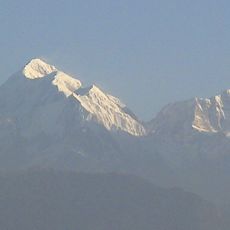
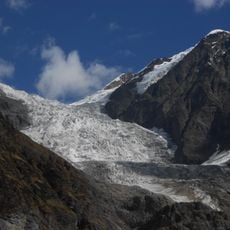
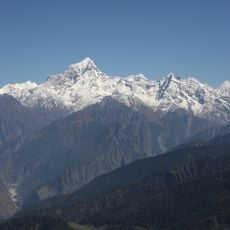
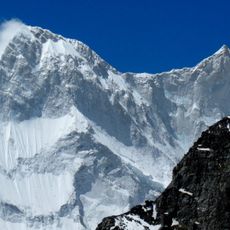
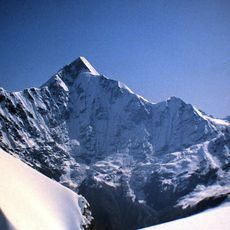
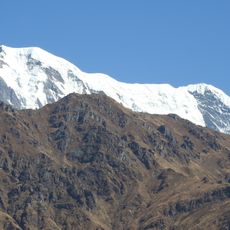
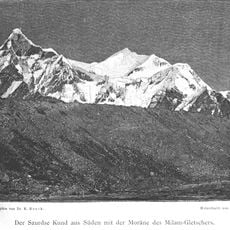
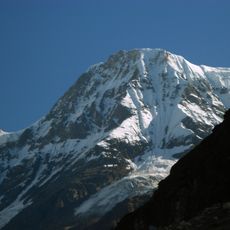
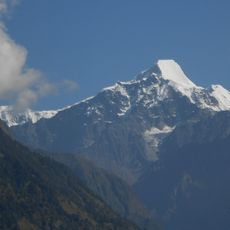
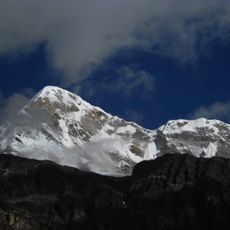
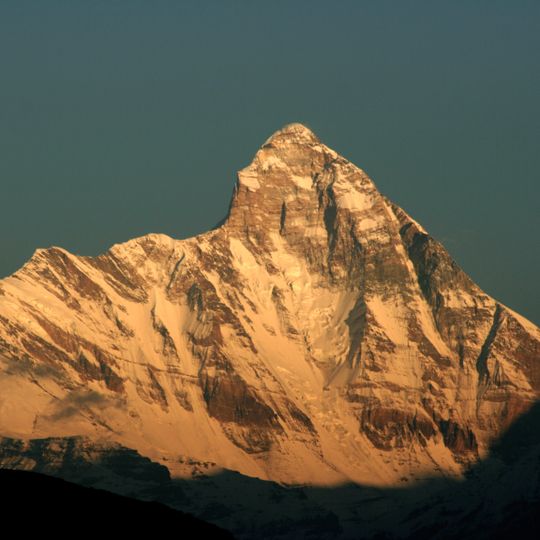
The reserve lies in Munsiari tehsil in Uttarakhand, India, and covers glacier fields, steep slopes, and summits rising to roughly 7500 meters. The inner basin is carved by the Rishi Ganga gorge, while a natural ring of rock walls around the central summit keeps the outer world at bay.
The inner basin remained unreachable until 1934, when mountaineers Eric Shipton and H.W. Tilman first pushed through the Rishi Ganga gorge. In 1988 the area was inscribed as a World Heritage Site after the earlier protected status had been expanded.
The ring of high ridges around the goddess protects an area revered by Hindu pilgrims, whose access has been shaped by religious customs for centuries. Local people still speak of the sacred meaning of this terrain, which remains alive in songs and ceremonies.
Visitors need special permits that require several weeks of advance notice and may enter only with authorized guides. The trekking season runs from May through October, when early snow and late monsoon rains make passages unsafe.
A joint operation by the CIA and Indian intelligence tried during the Cold War to install a nuclear-powered listening device on the summit to monitor Chinese radio activity. The device was lost in a storm and later found in lower ice fields.
The community of curious travelers
AroundUs brings together thousands of curated places, local tips, and hidden gems, enriched daily by 91,008 contributors worldwide.