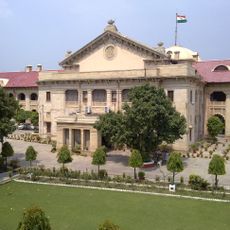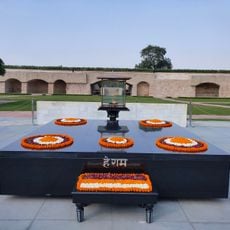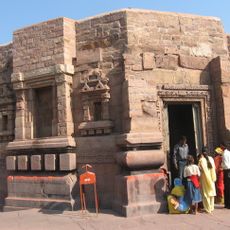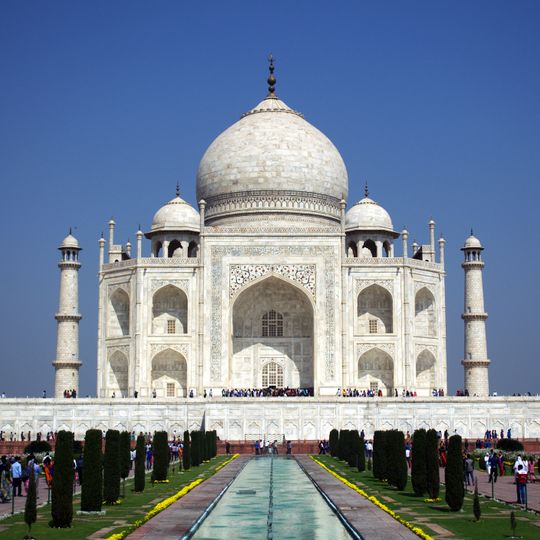
Uttar Pradesh, State in northern India
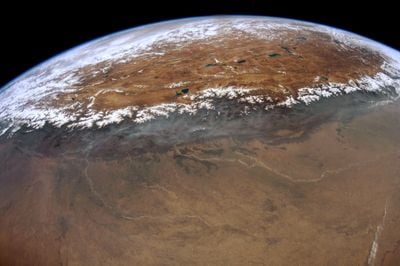
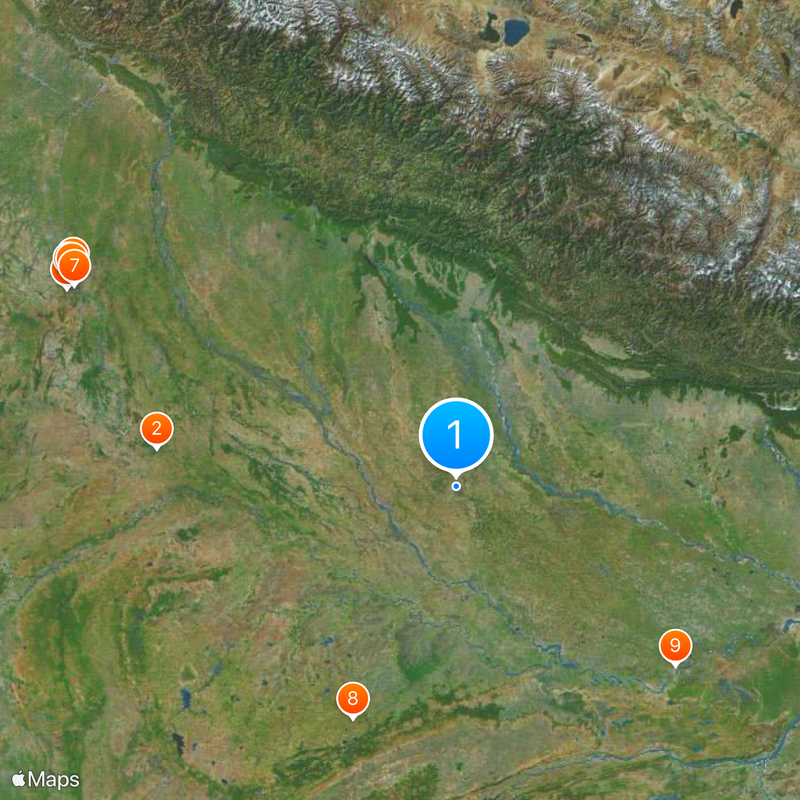
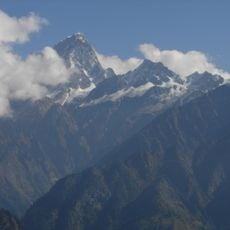
Extends across the Indo-Gangetic Plain with densely populated areas along the Ganges, while the Vindhya mountains and Tarai forests lie to the east, encompassing diverse ecosystems from flatlands to forested hills spread across different climate zones.
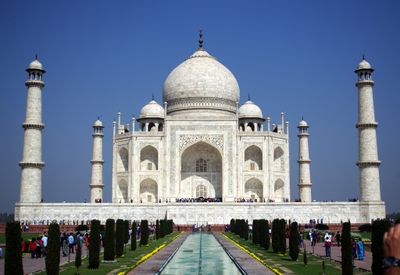
Developed through the Vedic kingdoms of the first millennium BCE, followed by the Mauryan Empire and later Islamic sultanates, before Mughals established major cities here and the modern state emerged from the United Provinces in 1947 following independence.
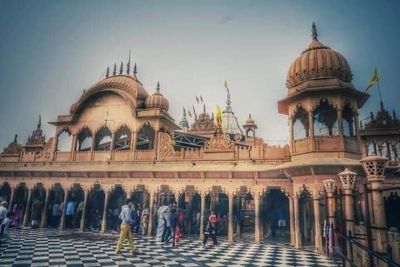
Hosts the Kumbh Mela festival attracting millions of devotees, along with important centers of classical Hindustani music including Lucknow and Allahabad, while numerous crafts such as chikankari embroidery and silk carpet weaving continue traditions dating back centuries.
Lucknow serves as the capital with rail connections to Delhi 500 kilometers (311 miles) northwest and Kolkata 1,000 kilometers (621 miles) east, while the winter months from October through March are preferred due to more comfortable temperatures and reduced monsoon rainfall.
Produces roughly two-thirds of Indian mango output, including the prized Dasheri variety from Malihabad, while the territory also maintains the country's largest sugarcane cultivation area by acreage, shaping both rural economy and local food traditions across agricultural communities.
The community of curious travelers
AroundUs brings together thousands of curated places, local tips, and hidden gems, enriched daily by 60,000 contributors worldwide.