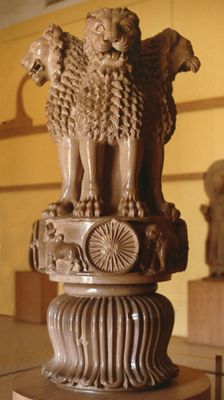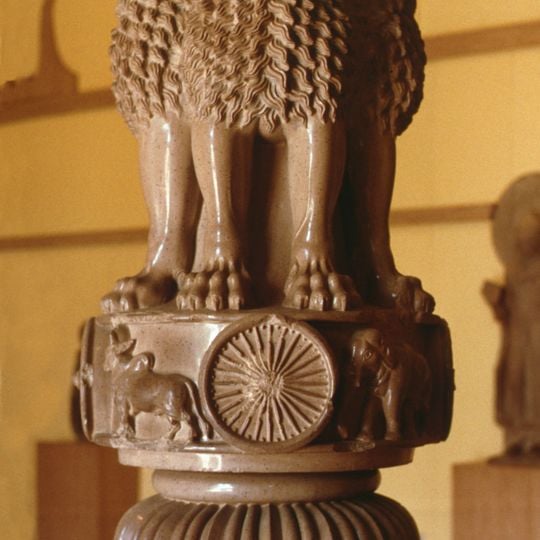
Lion Capital of Asoka, Stone sculpture at Sarnath Archaeological Museum, India
The Lion Capital is a sculpture carved from a single sandstone block at the Sarnath Archaeological Museum, India, forming the modern national emblem of the country. Four lions stand back to back on a round base decorated with reliefs of wheels and four different animals.
Emperor Ashoka commissioned the work around 250 BCE to promote the spread of Buddhist values across the empire. Archaeologist F.O. Oertel discovered it during excavations between 1904 and 1905 in the ruins of Sarnath.
The four lions represent the spread of Buddhist teachings across all directions, while the animals on the base symbolize cycles of life. The smooth finish and precise lines show Persian influences merged with Indian sculptural tradition from the Maurya period.
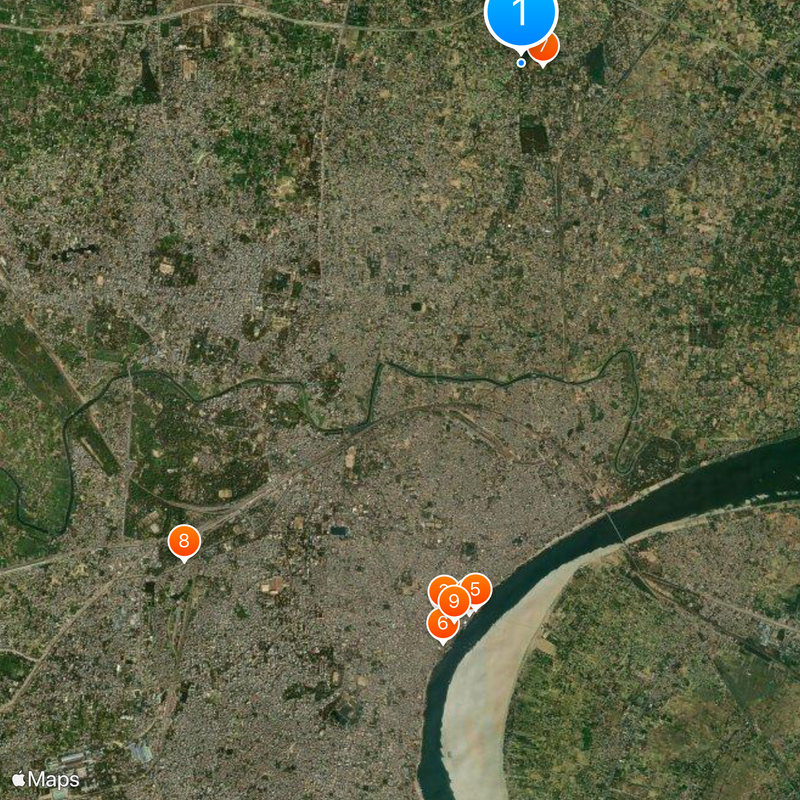
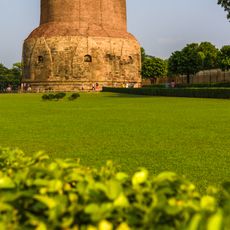
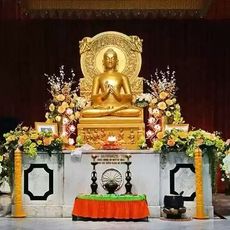
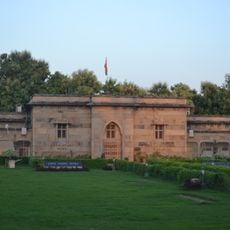
The museum is located near Varanasi in Uttar Pradesh and can be reached easily by road. Visitors who want to see the sculpture should plan time to explore the other exhibits and the adjacent archaeological site as well.
The entire sculpture was carved from a single sandstone block and still retains its original polish after more than 2000 years. The technical precision and fineness of detail continue to amaze visitors and researchers alike today.
The community of curious travelers
AroundUs brings together thousands of curated places, local tips, and hidden gems, enriched daily by 60,000 contributors worldwide.