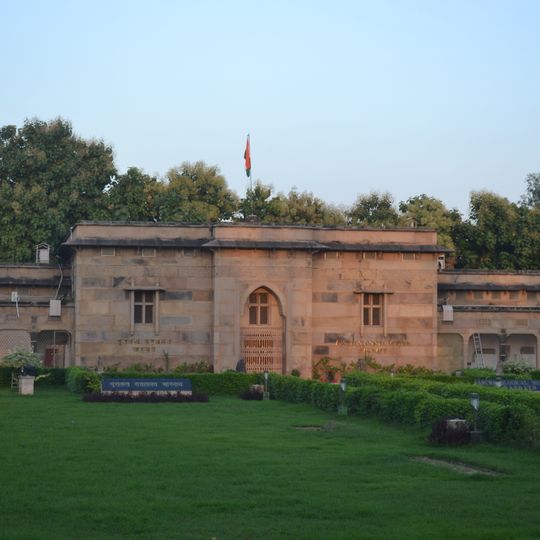
Sarnath Museum, Archaeological museum in Sarnath, India
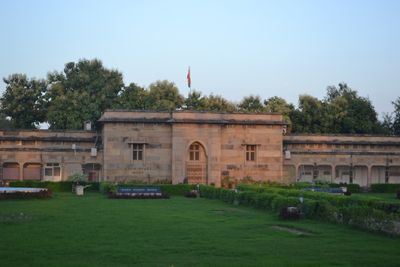
Sarnath Museum houses an extensive collection of sculptures and artifacts discovered during excavations at this major archaeological site near Varanasi. The objects span multiple centuries and show how artistic styles developed across Buddhist, Hindu, and other Indian traditions throughout the region's history.
The museum was established in 1910 and became the first site museum created by India's Archaeological Survey. It preserves finds from systematic excavations at a location that had drawn pilgrims and believers for millennia.
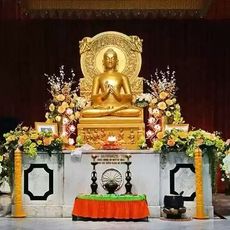
The collection reflects beliefs and artistic practices that shaped this sacred Buddhist site and the surrounding region for over a thousand years. Visitors encounter how different faiths left their mark through the sculptures and carved stones on display.
The museum is accessible on most weekdays, but it is best to check opening hours in advance before planning a visit. Plan to spend a couple of hours here if you want to read the labels and examine the displays carefully.
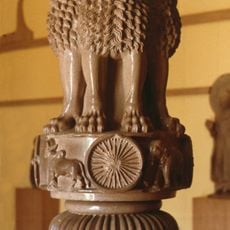
The most famous object here is the Lion Capital of Emperor Ashoka, a sculpture that was later adopted as the national symbol of India. This statue exemplifies the artistic peak of ancient Indian craftsmanship.
The community of curious travelers
AroundUs brings together thousands of curated places, local tips, and hidden gems, enriched daily by 91,292 contributors worldwide.