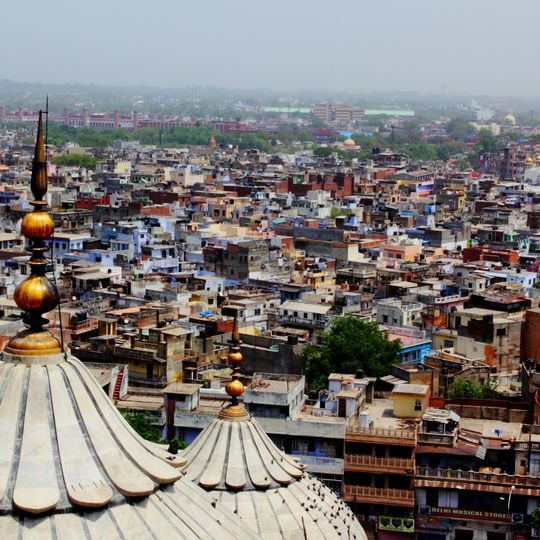
Old Delhi, Historic district in Delhi, India
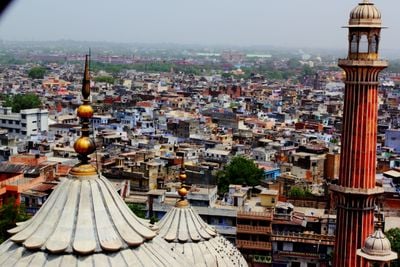
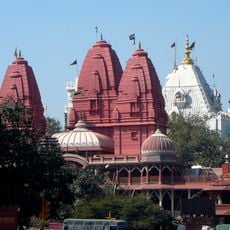
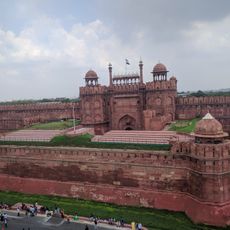
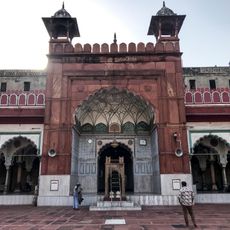
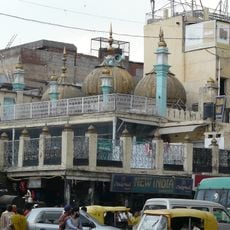
Old Delhi, or Shahjahanabad, is a walled city laid out from 1638 under Shah Jahan and completed in 1648, with the Red Fort and Chandni Chowk among its first elements. Its Jama Masjid combines red sandstone with white marble: a ribbed red dome striped in white, a slender white minaret capped by a small dome, and a larger white marble onion dome with vertical ribs and a pointed finial. Three deep arched openings and carved inscription bands mark the lower facade.
The Mughal emperor had the fortified city built from 1639 as a new political center and moved the seat of government from another city. The area remained an important residence until the 19th century and was later incorporated into the growing metropolis.
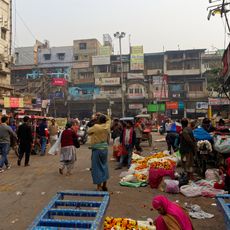
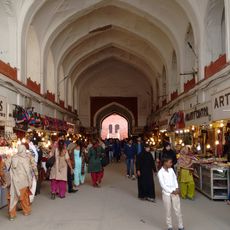
Old Delhi's name comes from Shahjahanabad, the title given to the walled city in 1648; residents still call it Purani Dilli. The Urdu and Hindi spoken in its lanes, the Mughlai dishes sold near the Jama Masjid, and the wholesale spice trade of Khari Baoli, opened in 1850, shape daily life. The Phool Mandi flower market of Daryaganj dates from 1869.
The lanes are easiest to explore on foot, as many sections are narrow or accessible to vehicles only at certain times of day. Visitors should wear sturdy shoes and note that early mornings or late afternoons are often quieter.
Beneath some buildings in the market quarter lie bricked tunnels and cellars that once served as escape passages or storage spaces. Some of these underground rooms are now sealed or forgotten, but metal grills in the pavement at certain points hint at the hidden network.
The community of curious travelers
AroundUs brings together thousands of curated places, local tips, and hidden gems, enriched daily by 92,358 contributors worldwide.