Lal Masjid, Delhi, Mosque in Old Delhi, India
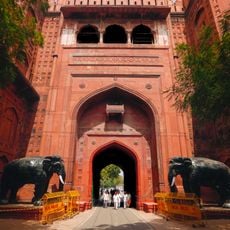
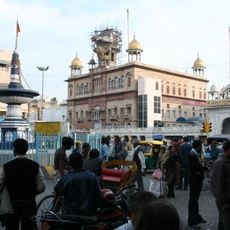
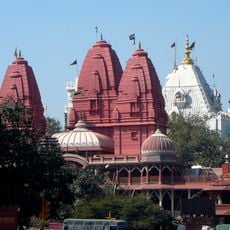
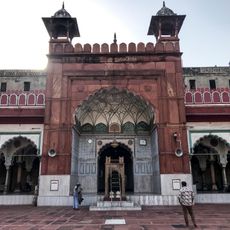
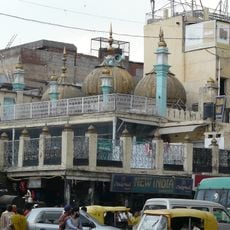
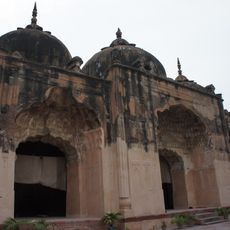
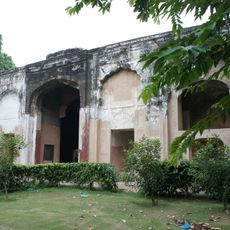
Lal Masjid is a mosque in Delhi situated on a raised platform, distinguished by three white and black marble domes and characteristic striped towers. The structure displays ornamental parapets and is framed by symmetrical tower formations on either side.
Kaniz-i-Fatima, titled Fakr-i-Jahan, built the mosque in 1728 in memory of her husband Shujaat Khan, a noble at Aurangzeb's court. Colonel James Skinner later repaired it, and its construction is sometimes wrongly credited to him. The mosque was damaged in the 1857 Siege of Delhi and has been repaired since. Sir Thomas Metcalfe's Reminiscences of Imperial Delhi, published in 1844, included illustrations and descriptions of it.
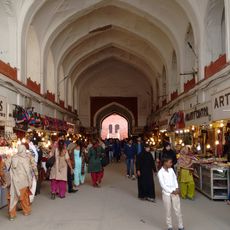
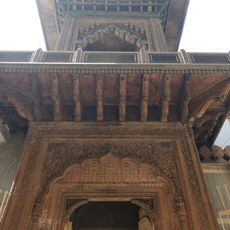
The mosque is also called Fakr-ul Masjid, "Pride of Mosques", and Sikandar Sahib's Masjid. It stands in Bara Bazaar beside Kashmiri Gate, and its red sandstone and white marble are unusual for the period, while its minarets and domes follow the model of Delhi's major mosques such as the nearby Jama Masjid.
The building is located in the Bara Bazaar area near Kashmiri Gate in the center of Old Delhi. Visitors should plan for early morning or late afternoon hours to encounter fewer crowds.
The mosque's red sandstone and white marble combination was unusual for its period, while its minarets and domes closely follow the nearby Jama Masjid. Colonel James Skinner repaired the building, which is sometimes wrongly attributed to him. Illustrations appeared in Sir Thomas Metcalfe's Reminiscences of Imperial Delhi, published in 1844.
The community of curious travelers
AroundUs brings together thousands of curated places, local tips, and hidden gems, enriched daily by 92,756 contributors worldwide.