See the monuments around you in AROpen chests in the app
Around Us is built for your phone — point your camera at the streets and discover the monuments and places around you in augmented reality.Around Us is built for your phone — chests unlock when you walk, explore and capture nearby places.
Uttar Pradesh includes some of the most important sites in northern India. This area is home to the Taj Mahal in Agra, the ghats of Varanasi where pilgrims have been coming to the Ganges river for centuries, and Sarnath where Buddha gave his first teaching. You will also find forts in Agra and Fatehpur Sikri, showing the strength of the Mughal rulers, and Ayodhya and Mathura, cities with deep religious meaning in Hinduism.
This collection covers about thirty places that show the variety of Uttar Pradesh. Between old temples, palaces, parks, and pilgrimage spots, each site shares part of Indian history. Some attract millions of visitors, while others are quieter. Still, they are all interesting for anyone wanting to learn about this place where old customs, grand structures, and daily life come together.
Uttar Pradesh includes some of the most important sites in northern India. This area is home to the Taj Mahal in Agra, the ghats of Varanasi where pilgrims have been coming to the Ganges river for centuries, and Sarnath where Buddha gave his first teaching. You will also find forts in Agra and Fatehpur Sikri, showing the strength of the Mughal rulers, and Ayodhya and Mathura, cities with deep religious meaning in Hinduism.
This collection covers about thirty places that show the variety of Uttar Pradesh. Between old temples, palaces, parks, and pilgrimage spots, each site shares part of Indian history. Some attract millions of visitors, while others are quieter. Still, they are all interesting for anyone wanting to learn about this place where old customs, grand structures, and daily life come together.
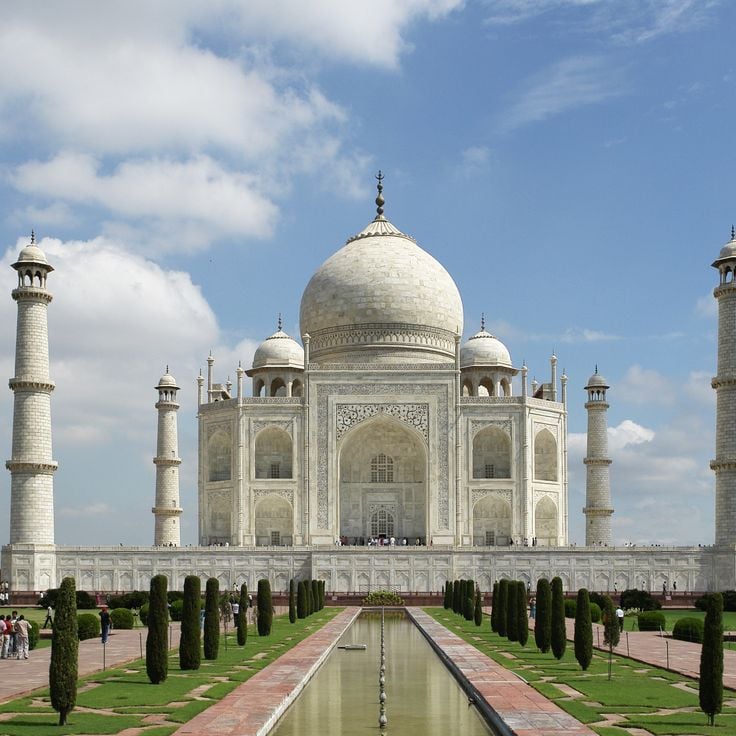
The Taj Mahal is a white marble mausoleum located in Agra. Built in the 17th century by a Mughal emperor, it serves as the tomb of his wife. The structure combines Persian, Indian and Islamic architectural styles. A large dome sits atop the building, accompanied by four minarets. Inside, the walls feature semi-precious stones and intricate calligraphy. The complex includes expansive gardens and water channels surrounding the main structure. The Taj Mahal is recognized as a UNESCO World Heritage site and attracts visitors from around the globe.
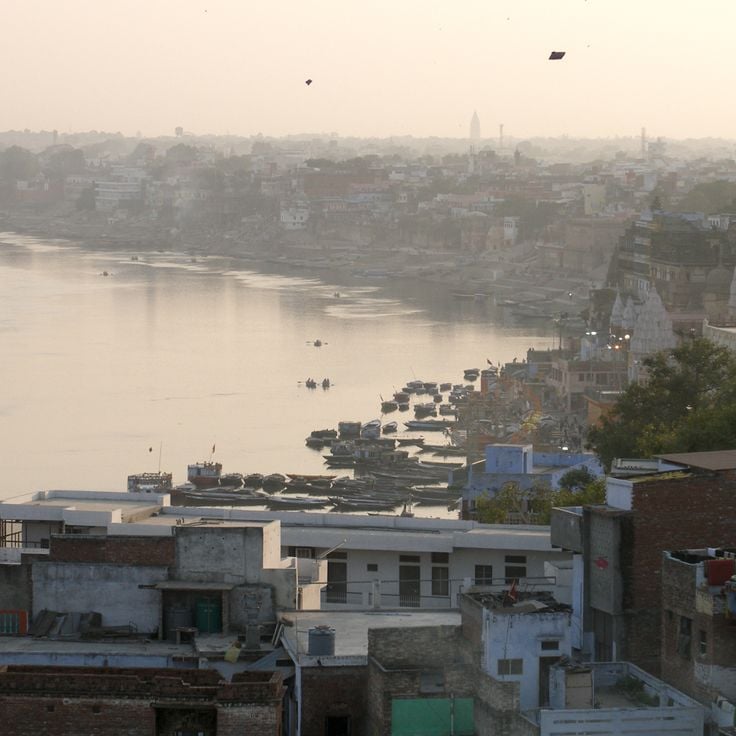
Varanasi is a sacred city for Hindus on the banks of the Ganges River. For centuries it has been an important pilgrimage destination and spiritual center. The ghats, those steps leading down to the river, fill with people every day who come to experience the sacred water. Life here revolves around prayer, ritual, and daily activities. Many visitors come to scatter ashes into the river or to witness sacred moments at the water's edge. The narrow streets are full of temples, markets, and activity. Varanasi shows how deep faith runs through this region.
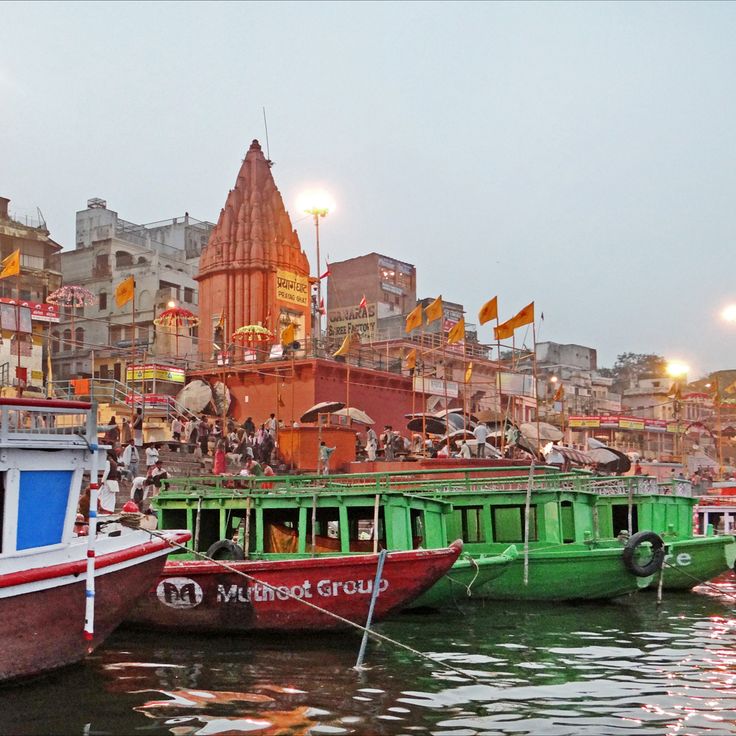
Dashashwamedh Ghat is one of the main bathing areas in Varanasi, where pilgrims come daily to wash in the Ganges and participate in religious rituals. Fire ceremonies take place each evening and draw crowds who line the steps to watch. The ghat sits at the center of the city's spiritual life, with priests performing ancient rituals while people bathe, meditate, and pray on the stone steps. The experience of the river, the sound of chanting, and the smell of incense define what many visitors remember most about the holy city.
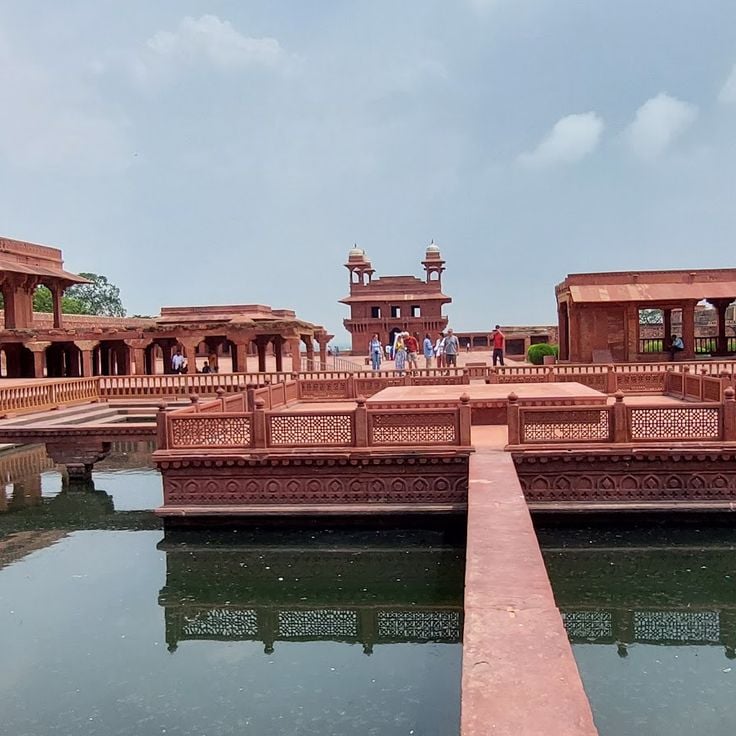
Fatehpur Sikri is an abandoned Mughal city near Agra that served as a royal capital in the 16th century. The site contains palaces, mosques, and water tanks that reflect Mughal architectural style. This UNESCO World Heritage site reveals how Mughal rulers lived and demonstrated their power through grand buildings. Walking through the empty streets and courtyards gives a sense of a once-thriving city that was eventually abandoned.
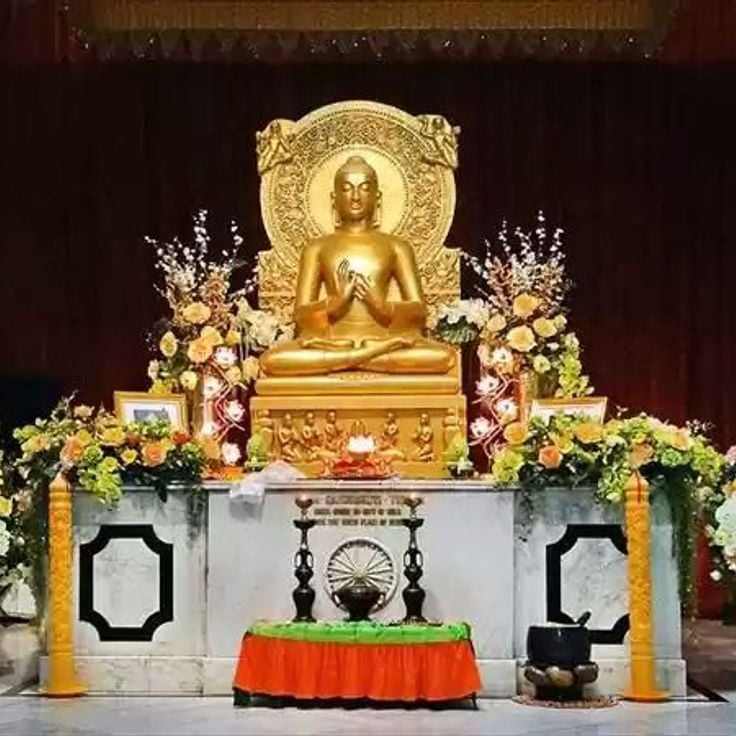
Sarnath is where Buddha delivered his first sermon after achieving enlightenment. This Buddhist site near Varanasi attracts pilgrims from around the world. You will find ancient temples, monasteries, and archaeological remains from different periods here. The place carries deep spiritual significance for Buddhists. Sarnath ranks among the four holiest sites in Buddhism.
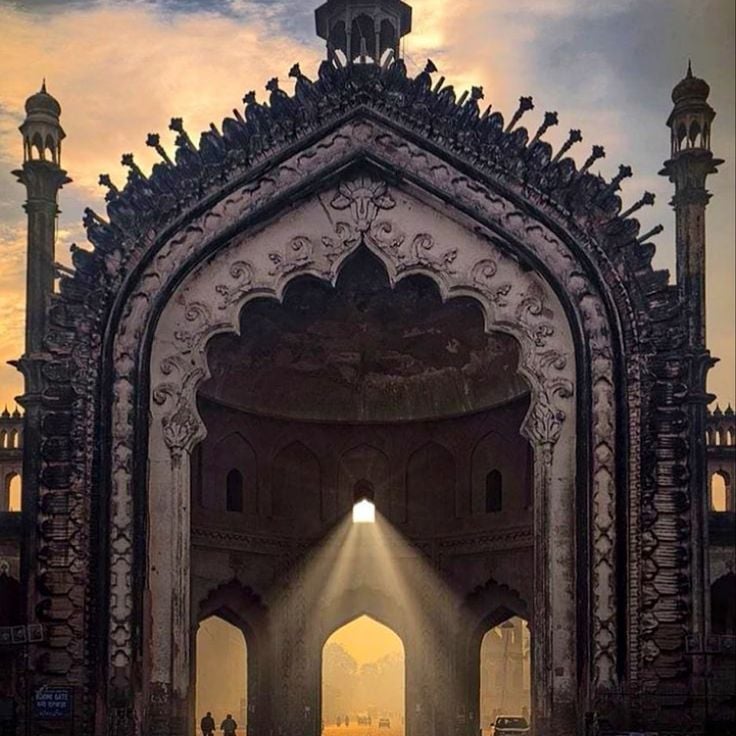
Rumi Darwaza is a monumental gate built from red sandstone during the 18th century by the nawabs. It served as a historic entrance to Lucknow and reflects the architectural style of the nawab period. The gate stands as a symbol of the city's past and its importance in northern India.
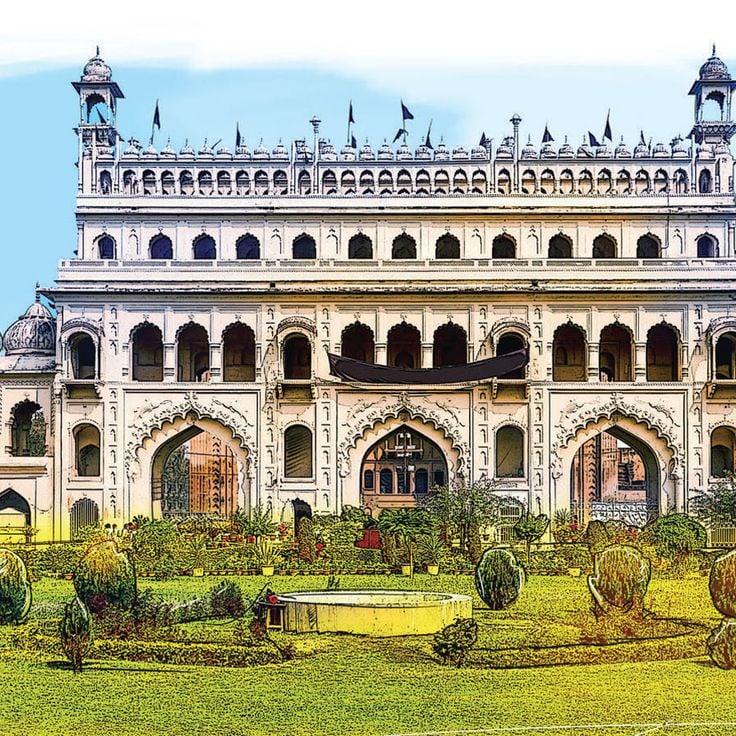
Bara Imambara in Lucknow is a large historical building crowned by a striking white dome. Inside, you find a vast hall that stands without any supporting pillars, which surprises visitors when they walk through it. Built during the era of the Nawabs, this structure shows the architectural skill that developed in the region. People come here to see the craftsmanship and learn about the city's past. The building feels powerful yet composed, and the empty space beneath the dome leaves a lasting impression.
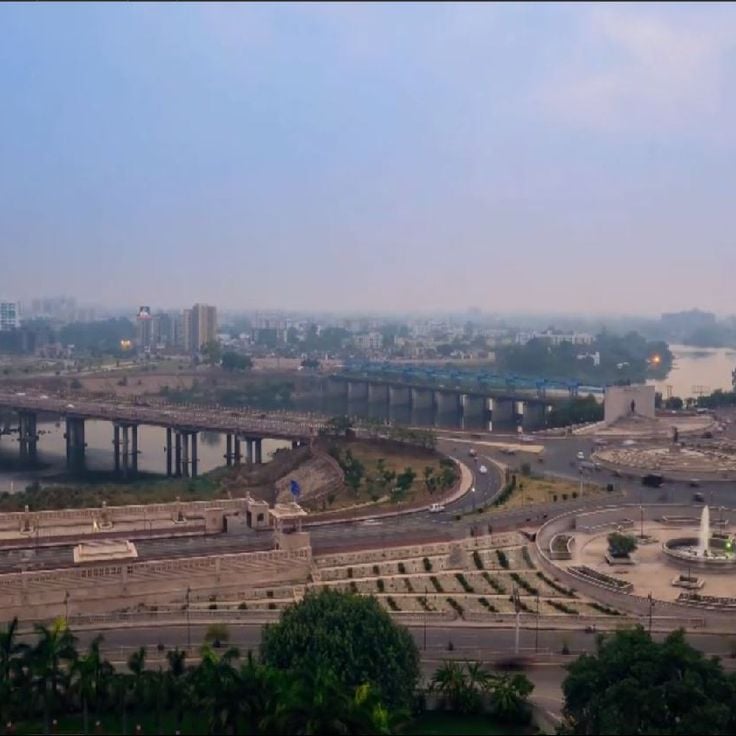
Lucknow is a city in northern India with a rich history from the Nawabi period. The city displays Mughal architecture and many historic buildings from the 18th century. Lucknow was a center of power and culture and still has many traces of this past today. The city offers insight into the craftsmanship, cuisine, and way of life of this historical period. You can find monuments, palaces, and other structures that tell of Lucknow's importance in Indian history. The city was once a major intellectual and artistic hub in the region.
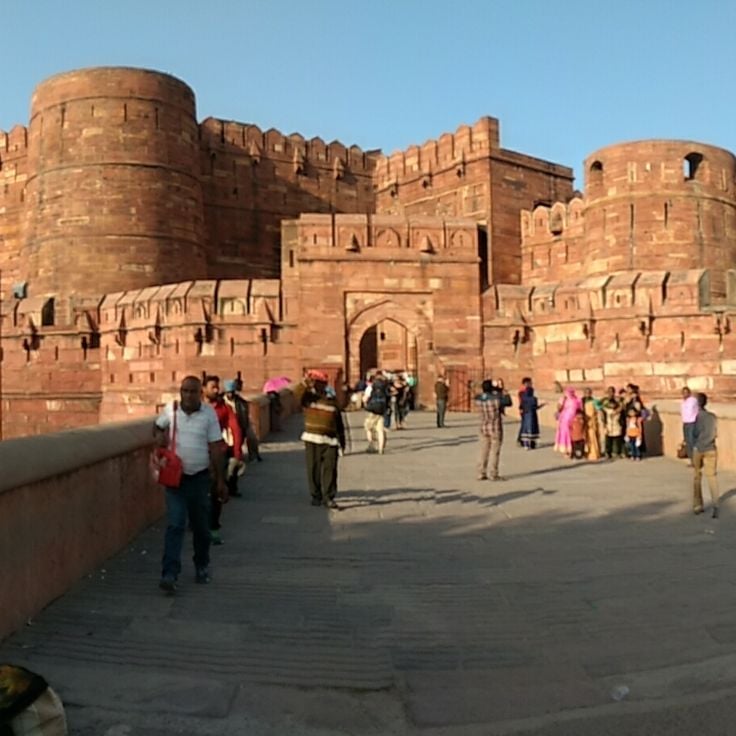
Agra Fort shows the power of the Mughal rulers who lived here for centuries. Its red sandstone walls shape the city and offer views of the nearby Taj Mahal. Inside are palaces, mosques and gardens that preserve the splendor of that time. Visitors can walk through the halls and experience the history of this region firsthand.
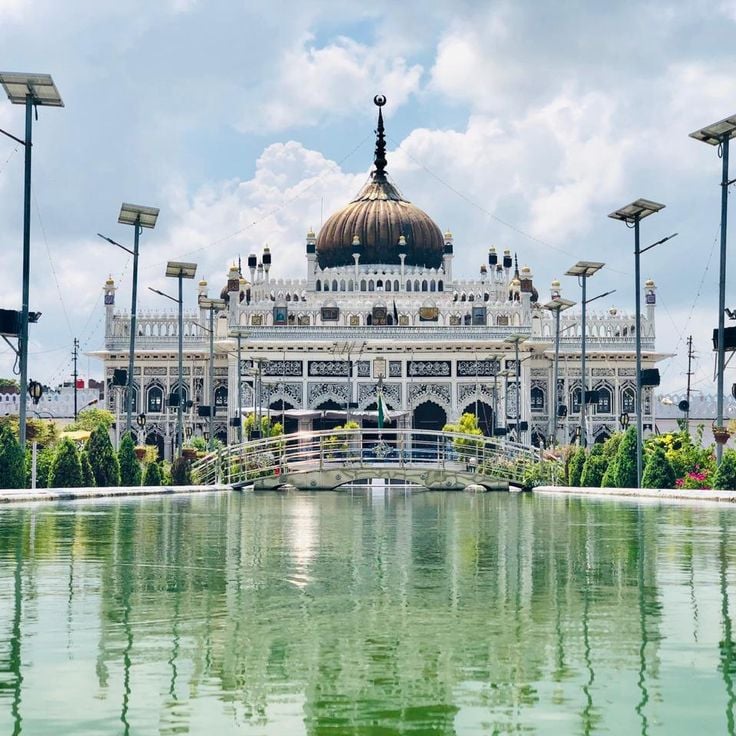
Chota Imambara is a magnificent structure from the 19th century located in Lucknow. Built originally as a residential building, it features golden domes and richly decorated interior spaces. The architecture showcases the artistic skills of its era and reflects the grandeur of the Nawab period. Visitors can admire the craftsmanship and attention to detail visible throughout the building, from the ornate ceilings to the intricate wall decorations.
Prayagraj, historically known as Allahabad, sits at a sacred confluence where three major rivers meet. The city draws Hindus who come to bathe and pray, particularly during major religious festivals. The old city has narrow streets lined with temples, while ghats along the rivers serve as places where pilgrims perform their rituals. The city's history spans centuries, with traces of various dynasties visible throughout. It is a place where religion shapes daily life and where thousands of visitors come each year to practice their faith.
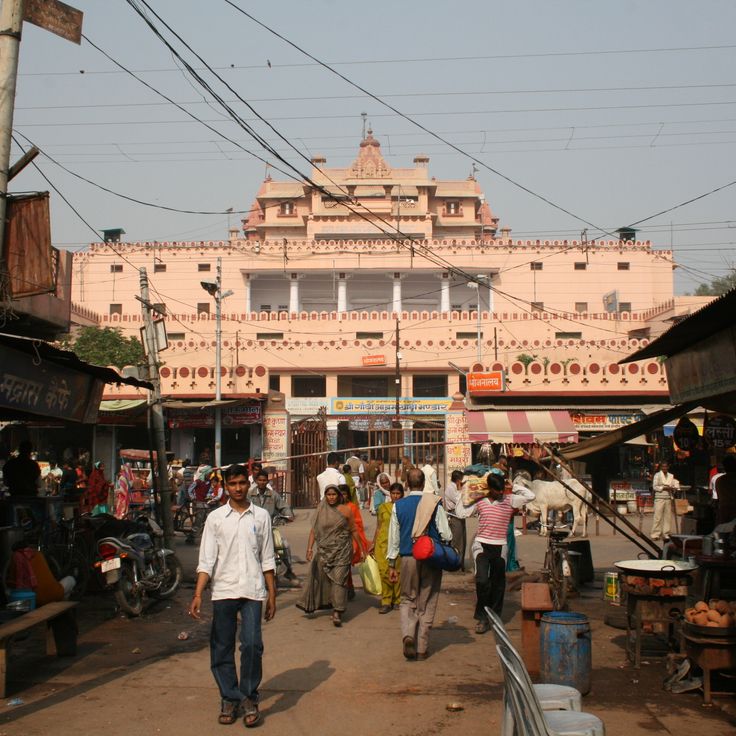
Mathura is the birthplace of Lord Krishna and a major spiritual center in Uttar Pradesh. The city sits along the Yamuna River and is known for its many temples and ghats, where pilgrims have come for centuries to pray and bathe in sacred rituals. Mathura attracts millions of visitors each year who wish to connect with the places linked to Krishna's life and teachings. The old town with its narrow lanes, temples and busy markets shows the religious and daily life of this holy city.
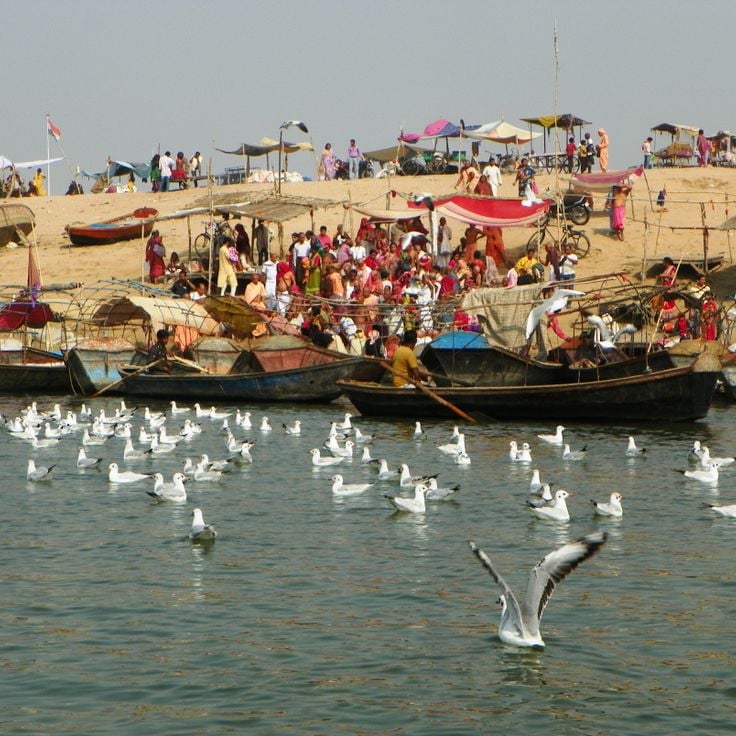
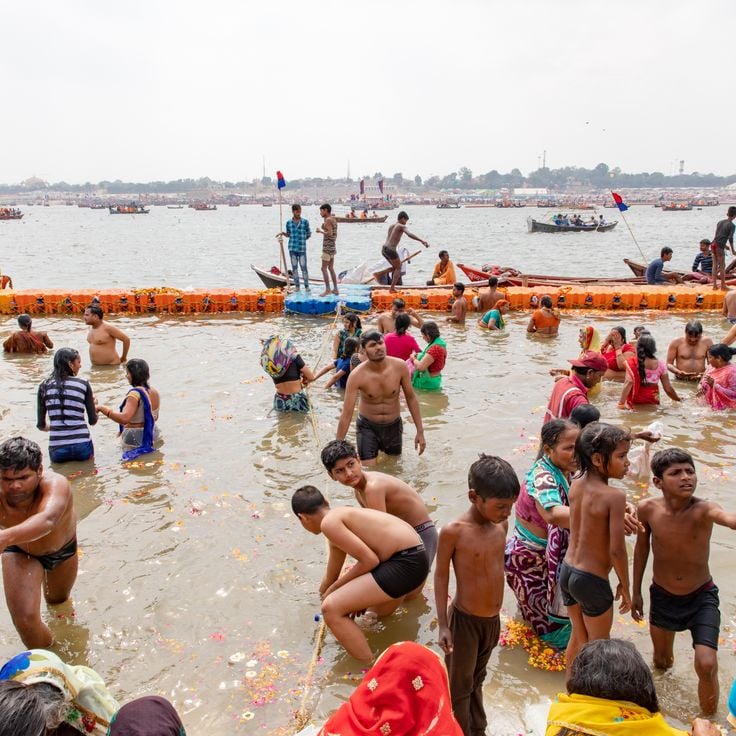
Triveni Sangam in Prayagraj is the sacred confluence of three rivers: the Ganges, the Yamuna, and the underground Saraswati. This site has drawn pilgrims from around the world for centuries, who come to bathe and pray in these holy waters. The river is the heart of this city. When you arrive, you see people of all ages wading into the water. Believers come because they trust that bathing here will cleanse their souls and change their lives. Thousands gather at certain times, especially during major religious festivals. Triveni Sangam is more than a place to worship; it is where Hindus live out their deepest faith and spiritual beliefs.
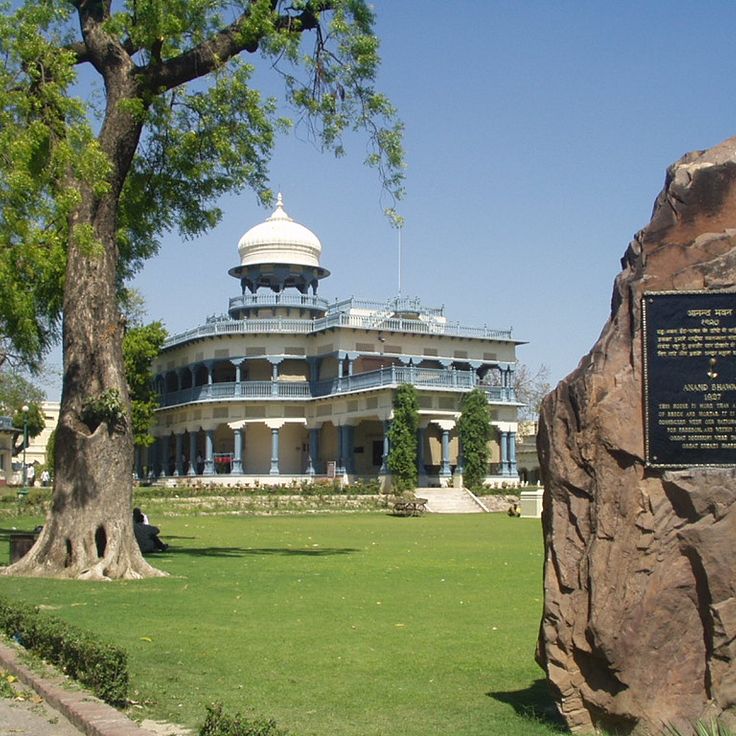
Anand Bhavan is the former home of the Nehru family in Prayagraj and now serves as a museum dedicated to India's independence movement. The rooms display personal belongings, photographs, and documents that tell the story of a family central to the struggle against British rule. The house itself reflects the architecture of that era and offers insight into the lives of people who shaped modern India. Visitors can learn how the resistance against colonial power was organized from this city.
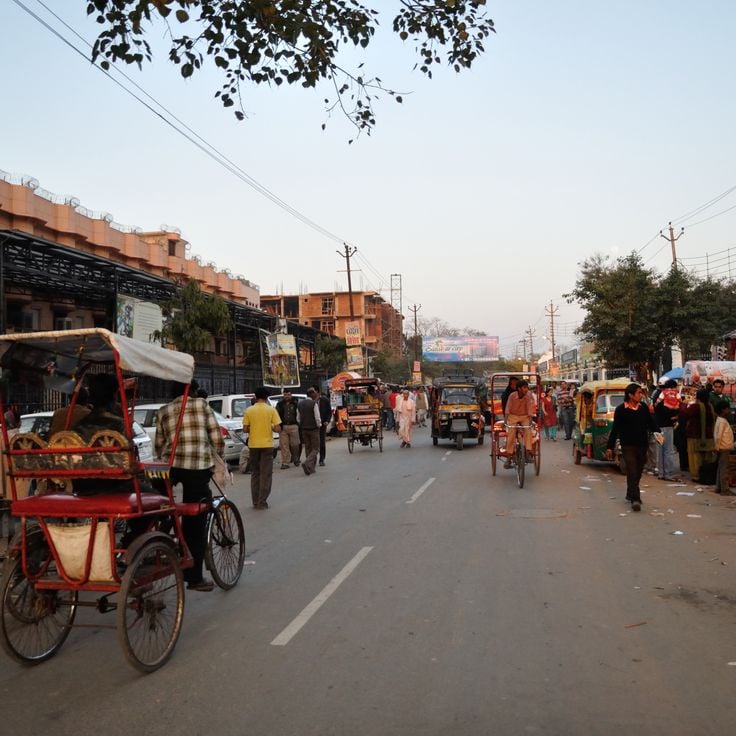
Ayodhya is a sacred city in Hindu tradition and is believed to be the birthplace of Rama. For exploring Uttar Pradesh, this city represents a place where religious devotion runs deep and has shaped life for centuries. Pilgrims come here from across India to worship at the temples and connect with their faith. Ayodhya shows how religion and daily life blend together in this region.
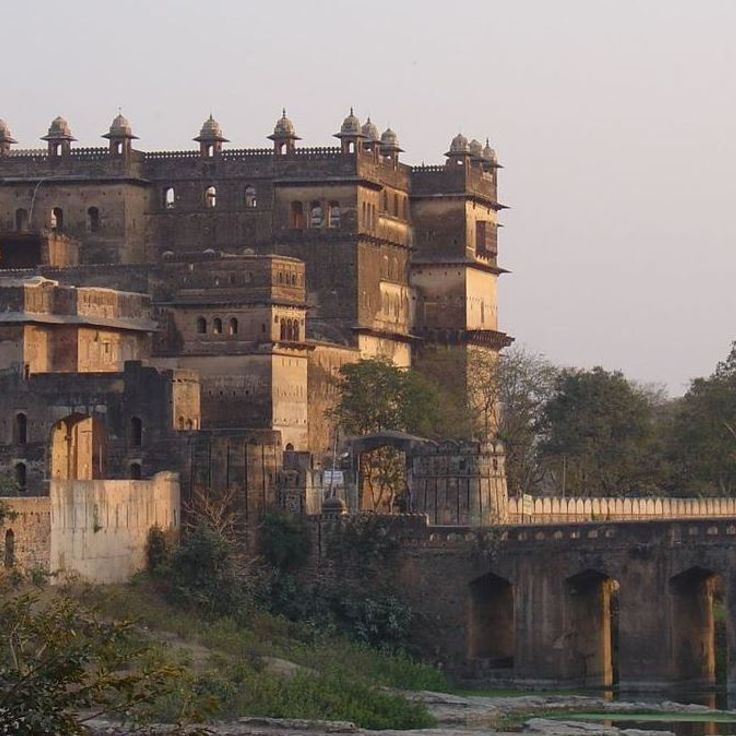
Orchha is a historical town on an island in the Betwa River, about 200 kilometers south of Agra. The city preserves palaces and temples from the 16th century that tell of the power of the Bundela kings. The architecture combines elements of Hindu and Mughal traditions. You can find here Radha Krishna temples, the Jahangiri Mahal, and the Raj Praveen Palace. The buildings stand in squares surrounded by gardens. The place feels timeless, with narrow lanes and staircases that lead to the rooftops. Orchha draws fewer visitors than other towns in the region, but remains an important witness to the architecture and culture of medieval India.
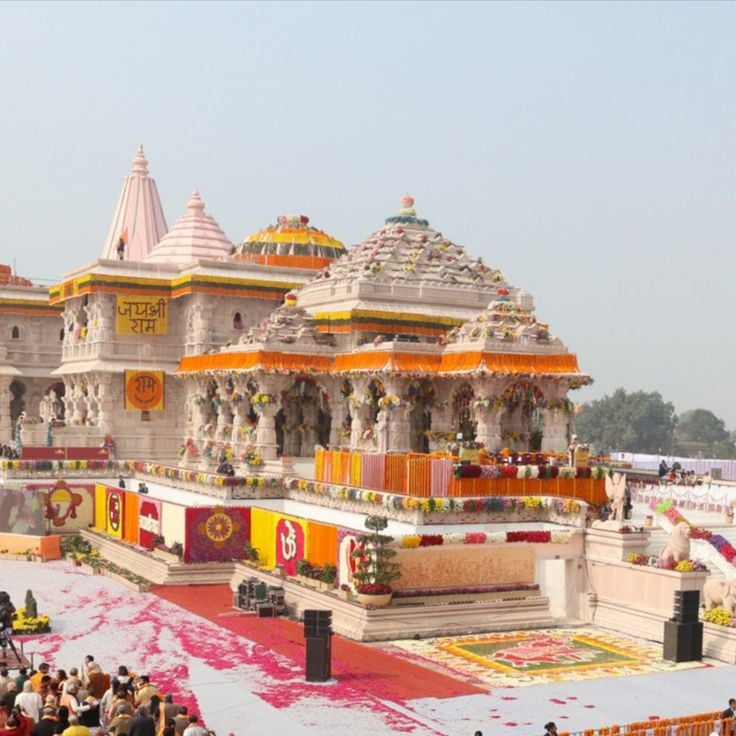
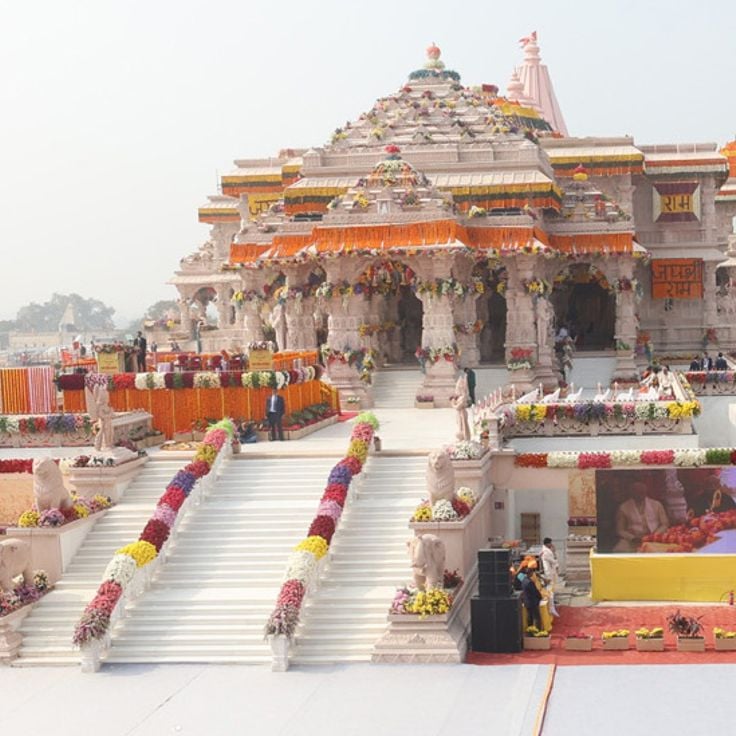
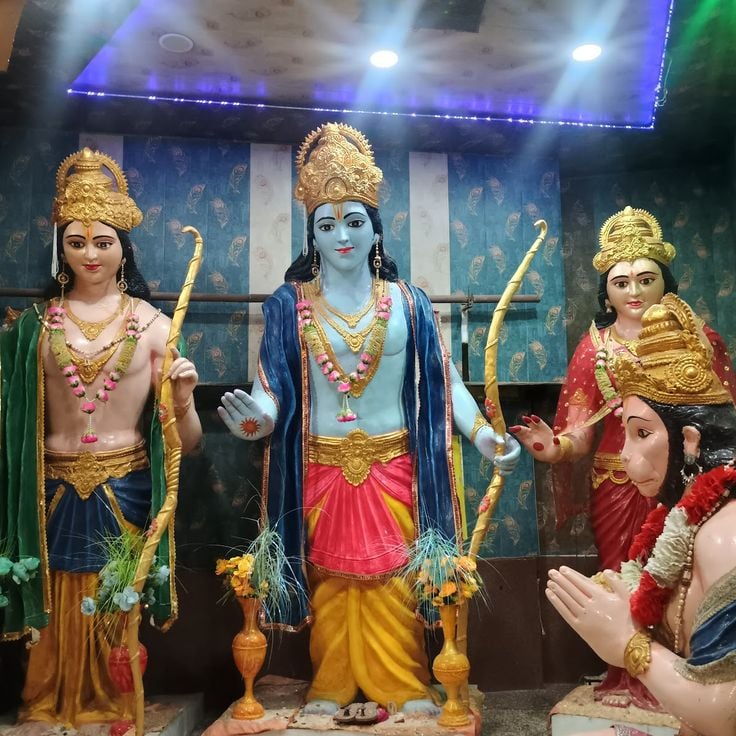
The Ram Janmabhoomi temple in Ayodhya marks the birthplace of the god Rama. This shrine has been recently reconstructed in white marble and draws pilgrims from across India. The temple stands at a site of deep religious significance for millions of Hindus. Its modern design incorporates traditional architectural elements, making this sacred place an important destination in northern India.
Vrindavan is a city devoted to Krishna worship. It contains hundreds of temples dedicated to Krishna scattered throughout its streets and lanes. The Yamuna River runs through the city with several ghats where pilgrims bathe and pray. Life here centers on religious practice and devotion. The city draws visitors who want to experience the places connected to Krishna's story and teachings. Daily routines blend with religious observance.
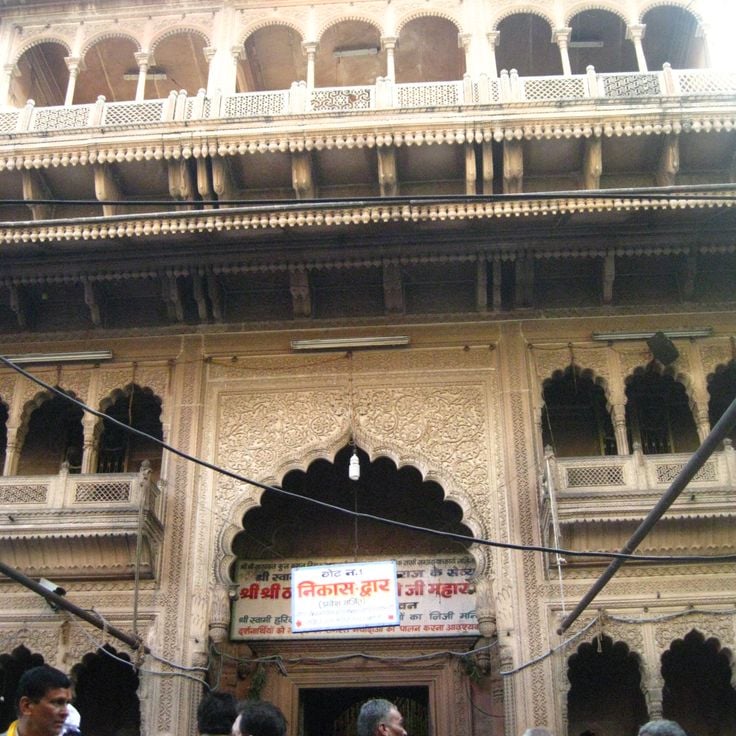
The Banke Bihari Temple is a shrine dedicated to Krishna located in Vrindavan, an important pilgrimage site in Uttar Pradesh. The temple follows traditional architecture and is known for its daily ritual of veiling Krishna's statue. This place attracts pilgrims and visitors who wish to experience the spiritual power of this sacred site.
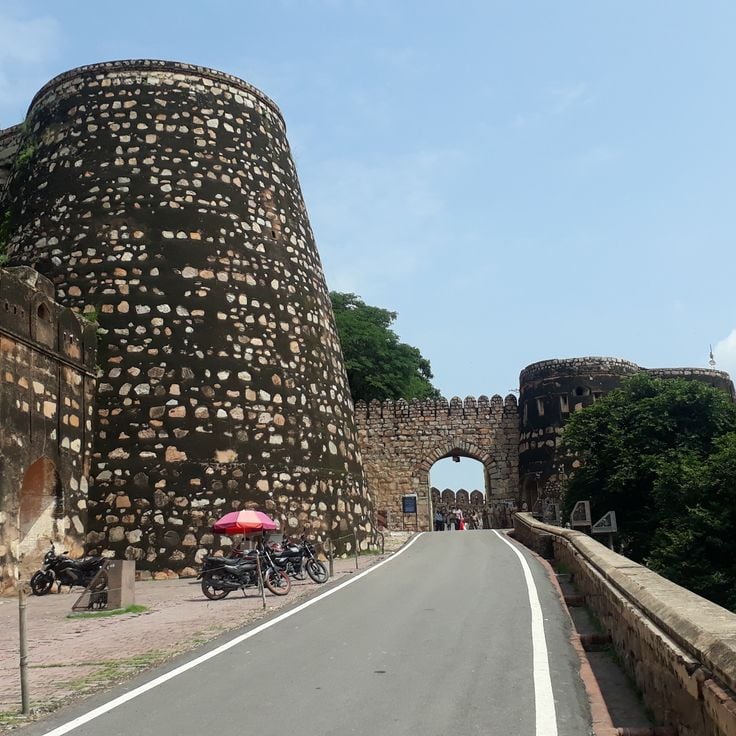
Jhansi Fort is a 17th century fortress in Uttar Pradesh with strong defensive walls and views across the city. This fort played a key role in the 1857 rebellion and is closely tied to the story of the Rani of Jhansi, who fought against colonial rule. Visitors can explore the ruins and learn about this important moment in India's struggle for independence.
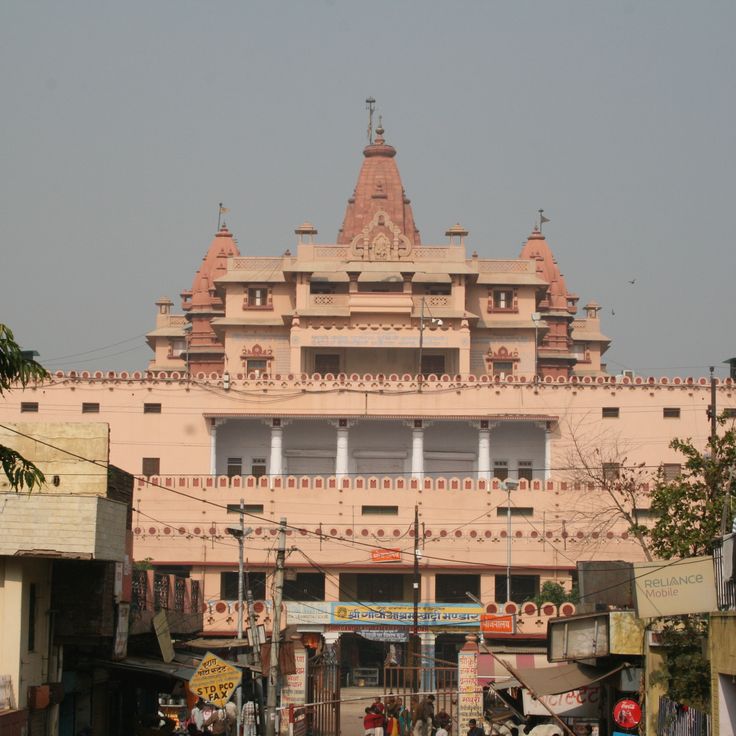
The Krishna Janmabhoomi Temple in Mathura marks the spot where Krishna was born according to Hindu tradition. This temple houses an inner sanctuary and a sacred courtyard where pilgrims gather to worship. Millions of visitors come here each year to pay their respects. The temple stands as a major pilgrimage site and reveals how deeply religion shapes life in this part of Uttar Pradesh.
Chitrakoot is a hilly region in Uttar Pradesh with deep religious significance in Hindu tradition. The area features caves, temples, and sites connected to Lord Rama. Pilgrims visit Chitrakoot to experience places mentioned in sacred texts. The landscape of hills and riverside areas has drawn people for centuries who come to practice their faith and connect with this spiritual center.
Dudhwa National Park is a wildlife reserve in the northern part of Uttar Pradesh, featuring dense jungles and diverse animal species. The park provides habitat for tigers, leopards, and many bird species. Visitors can explore the natural landscape and observe wildlife in their native environment. The park plays an important role in protecting endangered animals and showcasing the ecological variety of this region.
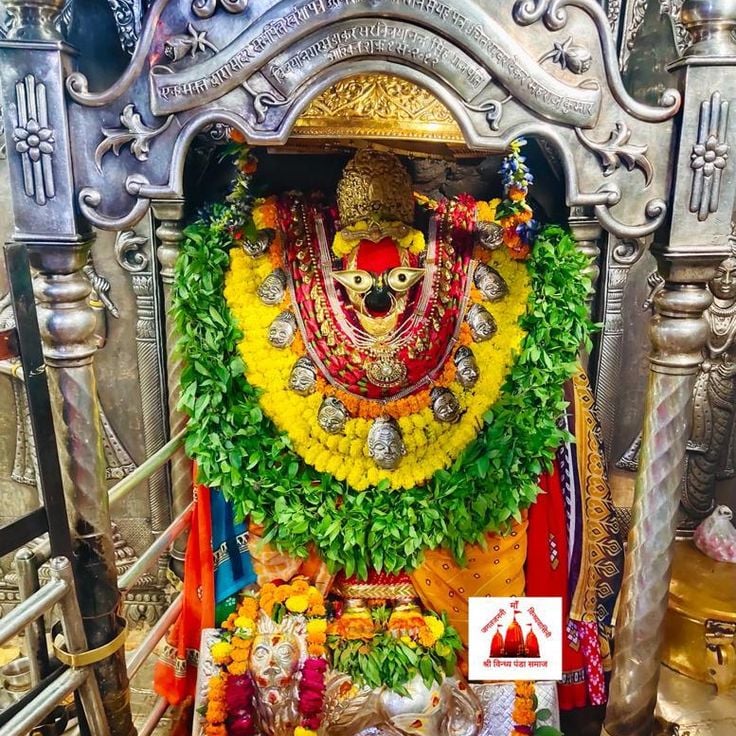
Vindhyachal is a temple dedicated to the goddess Vindhyavasini, situated on hills overlooking the Gange River. This site draws pilgrims who come to worship and take in views of the sacred river. The temple reflects the religious traditions of the region, where faith and nature come together.
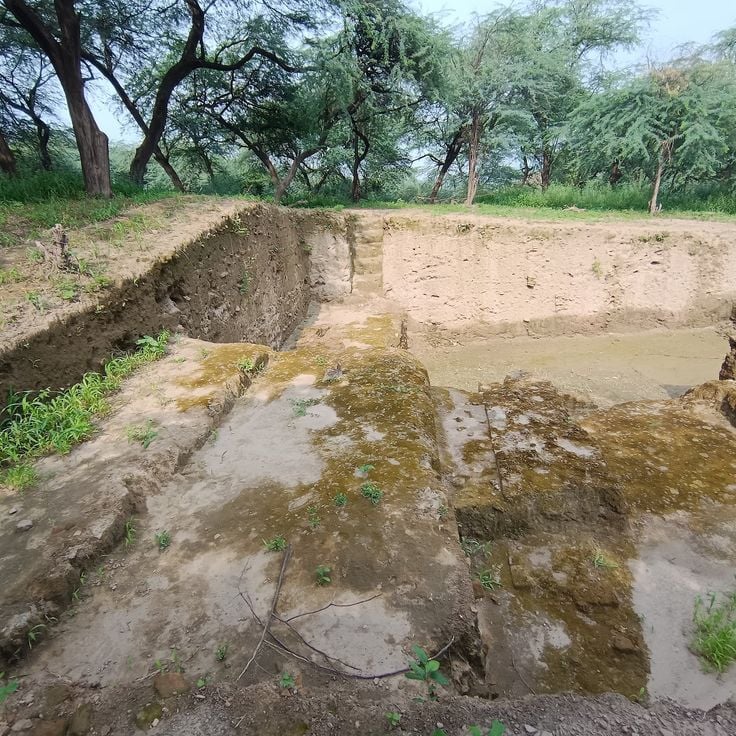
Hastinapur was an important city in the ancient world and served as the capital of the kingdom of Kuru, as described in the great Indian epic Mahabharata. Located near Meerut, this site holds deep religious significance for Hindus, as it is closely connected to the stories and legends of this ancient text. Visitors come here to see sacred places and understand the cultural and religious importance of this mythological city.
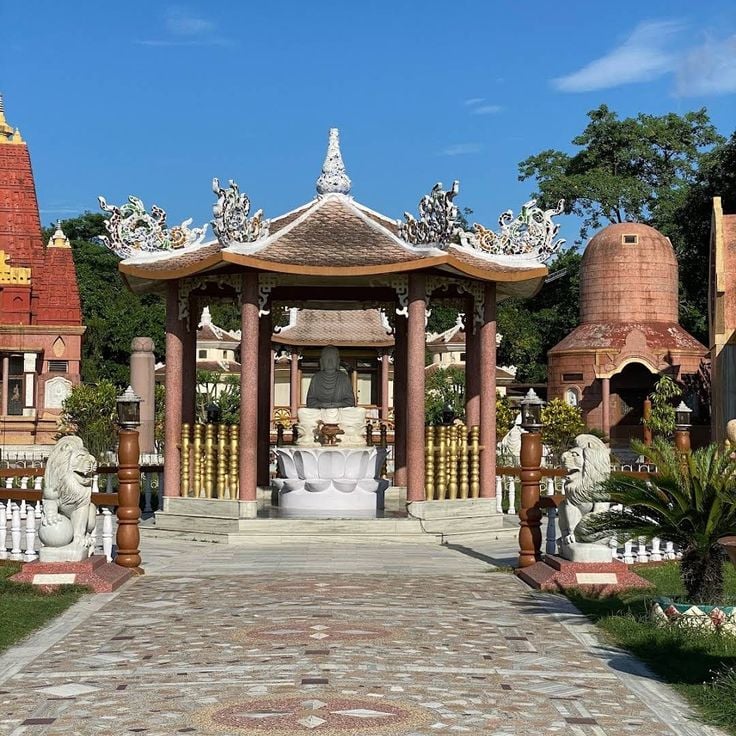
Kushinagar is where Buddha reached Nirvana at the end of his life. This site in Uttar Pradesh draws Buddhist pilgrims from around the world. You will find an important temple here, along with archaeological remains and a museum displaying objects from that era. The town has a quiet character that helps visitors understand its spiritual significance. For Buddhists, Kushinagar is one of the most sacred places and tells the story of Buddha's final years.
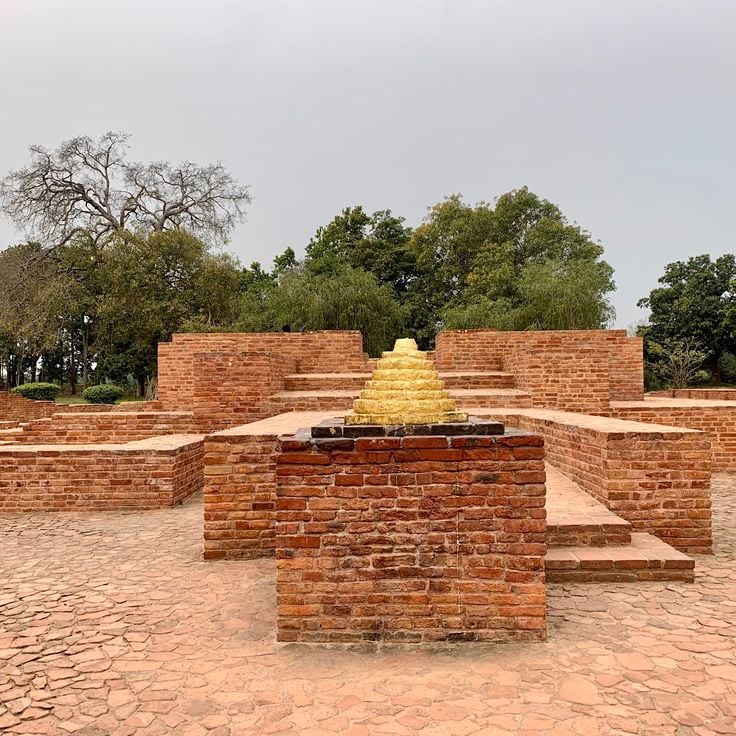
Sravasti holds great importance in Buddhist history as a place where Buddha spent many years teaching his followers. The site contains ruins of ancient monasteries and temples that date back to this period. Visitors can explore the remains of these old structures and learn about the early development of Buddhism. For Buddhists around the world, Sravasti remains an important pilgrimage destination.
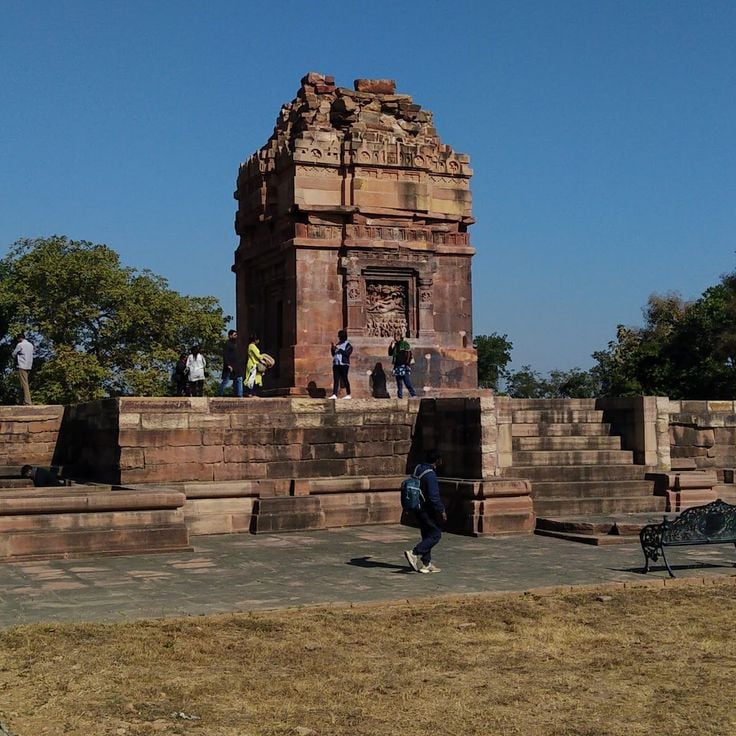
This fort stands on a hilltop in Lalitpur with ancient ruins that reveal the artistic traditions of the Gupta period. Sculptures and carved details scattered across the site show the craftsmanship of those who built here centuries ago. Walking through these remains helps you understand how art and architecture developed in northern India during this significant era.
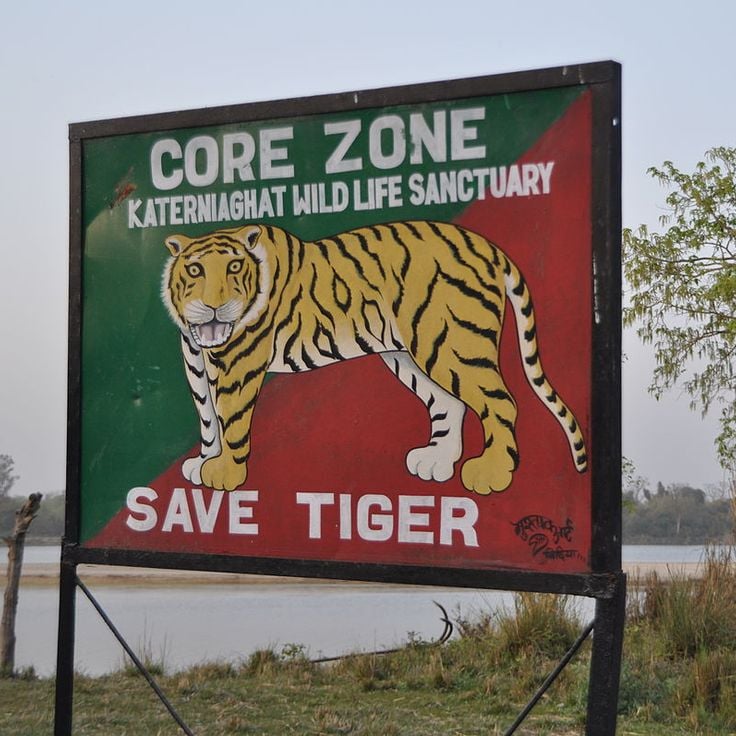
The Katarniaghat Wildlife Sanctuary sits in the Terai region and serves as an important natural reserve in Uttar Pradesh. Ganges dolphins, tigers, and water birds live here in their natural habitat. This sanctuary shows the natural side of the region alongside its religious and historical sites, offering visitors a chance to observe the wildlife of northern India.
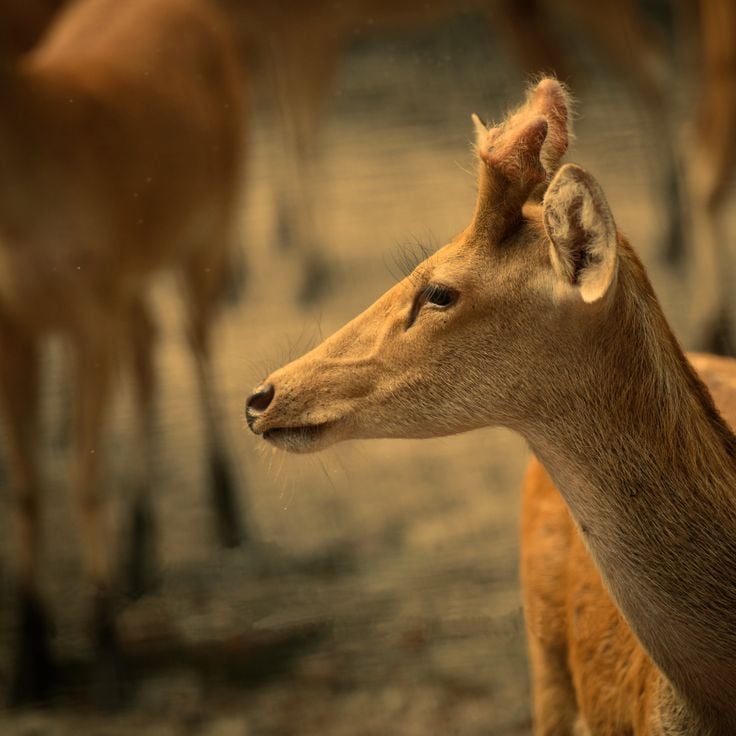
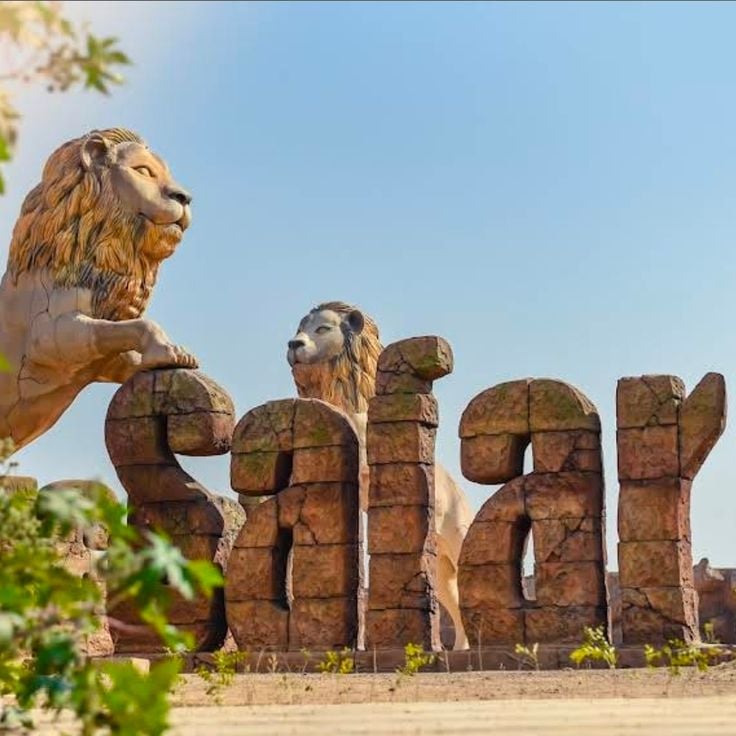
The Etawah Lion Safari in Uttar Pradesh allows visitors to observe Asian lions, tigers, and other animals in a semi-natural setting. This wildlife conservation area protects endangered species and gives travelers a close look at the animals that roam the Indian landscape.
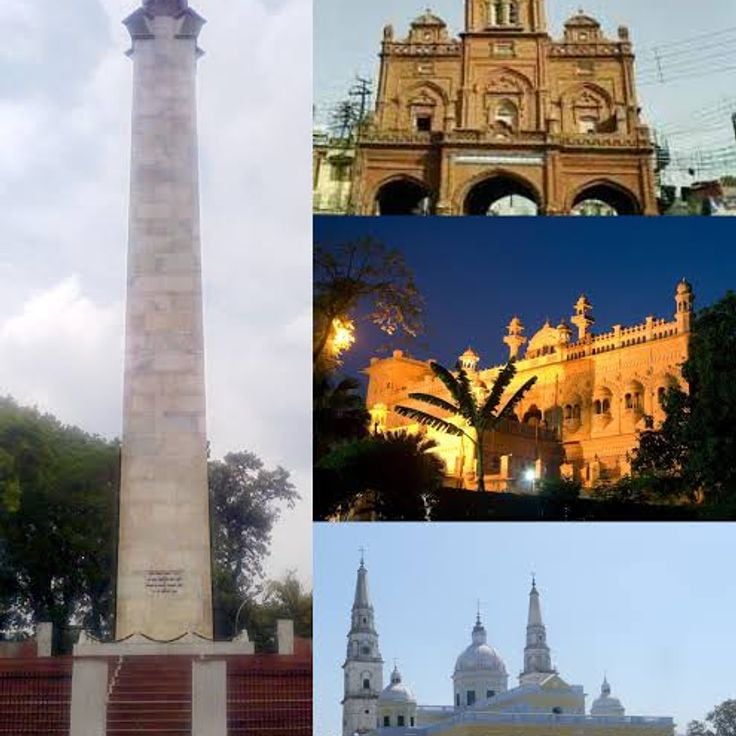
Meerut is a city in Uttar Pradesh that played a significant role in India's independence movement. The city preserves traces of British colonial rule in its architecture and public buildings. Here you find historical sites that recall the struggle for freedom and tell the story of this region.
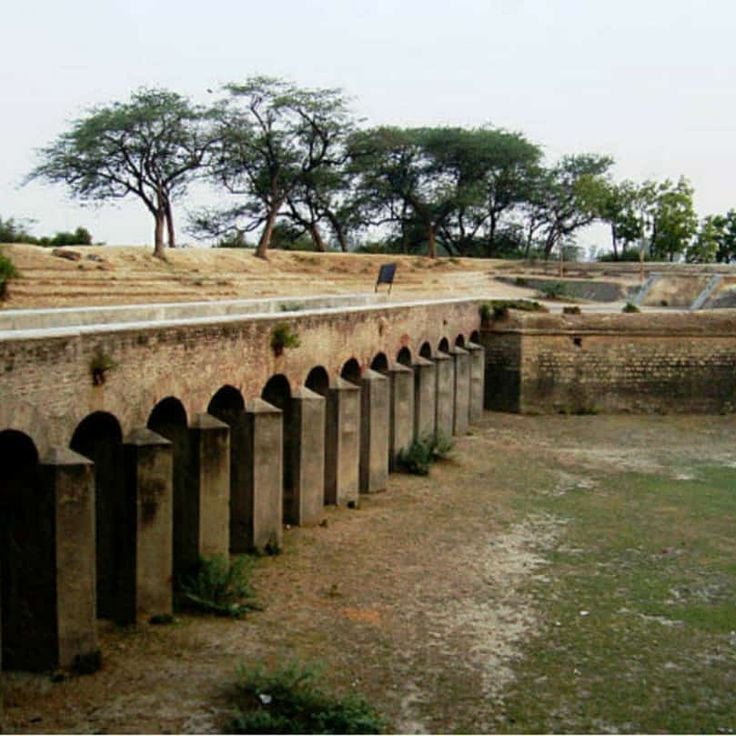
This temple complex in Agra comprises roughly one hundred small shrines from the 9th and 10th centuries that sit along the banks of the Yamuna River. The Bateshwar Temples show the religious diversity of this region, where Hindu devotees have worshipped for centuries. Though less well-known than the Taj Mahal, these temples offer insight into medieval temple architecture in North India and how people in this area expressed their spirituality.
Aligarh Fort is a fortification built in the 18th century that stands as a reminder of the region's military past. Its walls and defensive structures show the architectural style of that era. This fort is part of the historical buildings that shaped the long history of Uttar Pradesh in northern India.
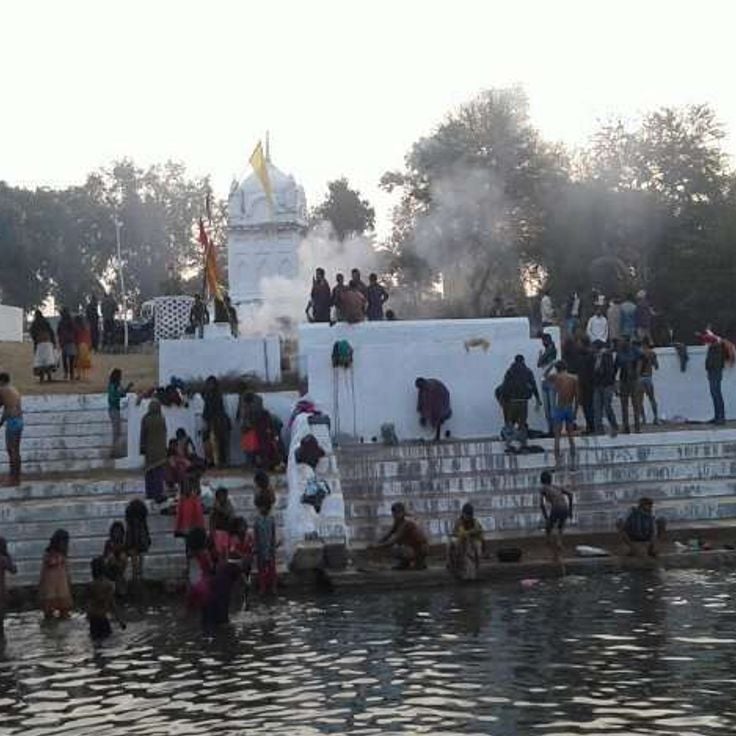
Kanpur is a port city on the Ganges with historic ghats and 19th century industrial heritage. The city was once an important center for leather processing and trade. Along the river, old steps lead down to the water where people bathe and pray. Industrial heritage is visible in the old factories and buildings that shape the cityscape. Kanpur offers insight into the history of British colonial times and Indian industrialization.
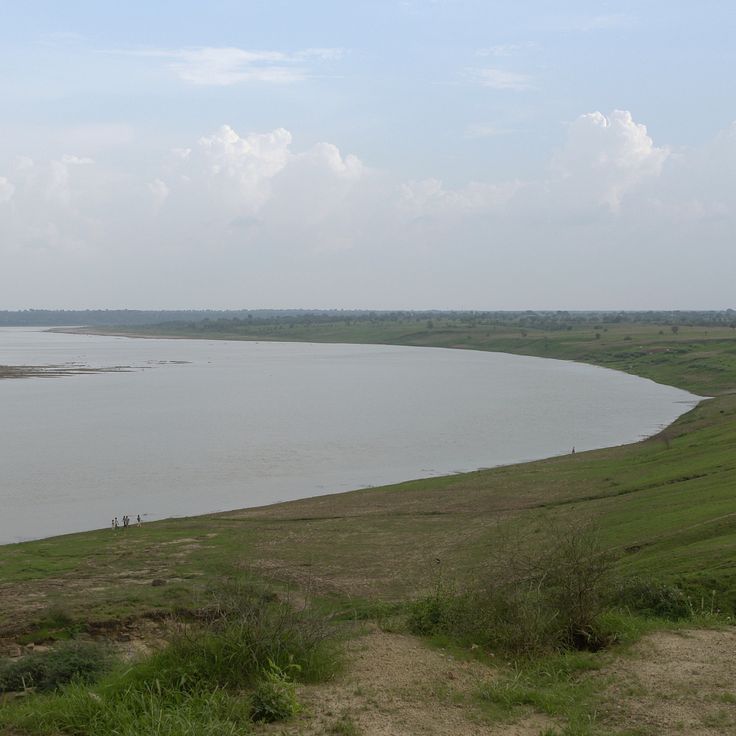
The Chambal River Sanctuary near Morena protects a stretch of river where Ganges dolphins, crocodiles, and other wildlife live. The river cuts through steep ravines and creates a habitat for rare species. Visitors can take boat rides to observe animals in their natural environment. The sanctuary plays an important role in protecting these creatures and their river home.
The Taj Mahal is a white marble mausoleum located in Agra. Built in the 17th century by a Mughal emperor, it serves as the tomb of his wife. The structure combines Persian, Indian and Islamic architectural styles. A large dome sits atop the building, accompanied by four minarets. Inside, the walls feature semi-precious stones and intricate calligraphy. The complex includes expansive gardens and water channels surrounding the main structure. The Taj Mahal is recognized as a UNESCO World Heritage site and attracts visitors from around the globe.
Varanasi is a sacred city for Hindus on the banks of the Ganges River. For centuries it has been an important pilgrimage destination and spiritual center. The ghats, those steps leading down to the river, fill with people every day who come to experience the sacred water. Life here revolves around prayer, ritual, and daily activities. Many visitors come to scatter ashes into the river or to witness sacred moments at the water's edge. The narrow streets are full of temples, markets, and activity. Varanasi shows how deep faith runs through this region.
Dashashwamedh Ghat is one of the main bathing areas in Varanasi, where pilgrims come daily to wash in the Ganges and participate in religious rituals. Fire ceremonies take place each evening and draw crowds who line the steps to watch. The ghat sits at the center of the city's spiritual life, with priests performing ancient rituals while people bathe, meditate, and pray on the stone steps. The experience of the river, the sound of chanting, and the smell of incense define what many visitors remember most about the holy city.
Fatehpur Sikri is an abandoned Mughal city near Agra that served as a royal capital in the 16th century. The site contains palaces, mosques, and water tanks that reflect Mughal architectural style. This UNESCO World Heritage site reveals how Mughal rulers lived and demonstrated their power through grand buildings. Walking through the empty streets and courtyards gives a sense of a once-thriving city that was eventually abandoned.
Sarnath is where Buddha delivered his first sermon after achieving enlightenment. This Buddhist site near Varanasi attracts pilgrims from around the world. You will find ancient temples, monasteries, and archaeological remains from different periods here. The place carries deep spiritual significance for Buddhists. Sarnath ranks among the four holiest sites in Buddhism.
Rumi Darwaza is a monumental gate built from red sandstone during the 18th century by the nawabs. It served as a historic entrance to Lucknow and reflects the architectural style of the nawab period. The gate stands as a symbol of the city's past and its importance in northern India.
Bara Imambara in Lucknow is a large historical building crowned by a striking white dome. Inside, you find a vast hall that stands without any supporting pillars, which surprises visitors when they walk through it. Built during the era of the Nawabs, this structure shows the architectural skill that developed in the region. People come here to see the craftsmanship and learn about the city's past. The building feels powerful yet composed, and the empty space beneath the dome leaves a lasting impression.
Lucknow is a city in northern India with a rich history from the Nawabi period. The city displays Mughal architecture and many historic buildings from the 18th century. Lucknow was a center of power and culture and still has many traces of this past today. The city offers insight into the craftsmanship, cuisine, and way of life of this historical period. You can find monuments, palaces, and other structures that tell of Lucknow's importance in Indian history. The city was once a major intellectual and artistic hub in the region.
Agra Fort shows the power of the Mughal rulers who lived here for centuries. Its red sandstone walls shape the city and offer views of the nearby Taj Mahal. Inside are palaces, mosques and gardens that preserve the splendor of that time. Visitors can walk through the halls and experience the history of this region firsthand.
Chota Imambara is a magnificent structure from the 19th century located in Lucknow. Built originally as a residential building, it features golden domes and richly decorated interior spaces. The architecture showcases the artistic skills of its era and reflects the grandeur of the Nawab period. Visitors can admire the craftsmanship and attention to detail visible throughout the building, from the ornate ceilings to the intricate wall decorations.
Prayagraj, historically known as Allahabad, sits at a sacred confluence where three major rivers meet. The city draws Hindus who come to bathe and pray, particularly during major religious festivals. The old city has narrow streets lined with temples, while ghats along the rivers serve as places where pilgrims perform their rituals. The city's history spans centuries, with traces of various dynasties visible throughout. It is a place where religion shapes daily life and where thousands of visitors come each year to practice their faith.
Mathura is the birthplace of Lord Krishna and a major spiritual center in Uttar Pradesh. The city sits along the Yamuna River and is known for its many temples and ghats, where pilgrims have come for centuries to pray and bathe in sacred rituals. Mathura attracts millions of visitors each year who wish to connect with the places linked to Krishna's life and teachings. The old town with its narrow lanes, temples and busy markets shows the religious and daily life of this holy city.
Triveni Sangam in Prayagraj is the sacred confluence of three rivers: the Ganges, the Yamuna, and the underground Saraswati. This site has drawn pilgrims from around the world for centuries, who come to bathe and pray in these holy waters. The river is the heart of this city. When you arrive, you see people of all ages wading into the water. Believers come because they trust that bathing here will cleanse their souls and change their lives. Thousands gather at certain times, especially during major religious festivals. Triveni Sangam is more than a place to worship; it is where Hindus live out their deepest faith and spiritual beliefs.
Anand Bhavan is the former home of the Nehru family in Prayagraj and now serves as a museum dedicated to India's independence movement. The rooms display personal belongings, photographs, and documents that tell the story of a family central to the struggle against British rule. The house itself reflects the architecture of that era and offers insight into the lives of people who shaped modern India. Visitors can learn how the resistance against colonial power was organized from this city.
Ayodhya is a sacred city in Hindu tradition and is believed to be the birthplace of Rama. For exploring Uttar Pradesh, this city represents a place where religious devotion runs deep and has shaped life for centuries. Pilgrims come here from across India to worship at the temples and connect with their faith. Ayodhya shows how religion and daily life blend together in this region.
Orchha is a historical town on an island in the Betwa River, about 200 kilometers south of Agra. The city preserves palaces and temples from the 16th century that tell of the power of the Bundela kings. The architecture combines elements of Hindu and Mughal traditions. You can find here Radha Krishna temples, the Jahangiri Mahal, and the Raj Praveen Palace. The buildings stand in squares surrounded by gardens. The place feels timeless, with narrow lanes and staircases that lead to the rooftops. Orchha draws fewer visitors than other towns in the region, but remains an important witness to the architecture and culture of medieval India.
The Ram Janmabhoomi temple in Ayodhya marks the birthplace of the god Rama. This shrine has been recently reconstructed in white marble and draws pilgrims from across India. The temple stands at a site of deep religious significance for millions of Hindus. Its modern design incorporates traditional architectural elements, making this sacred place an important destination in northern India.
Vrindavan is a city devoted to Krishna worship. It contains hundreds of temples dedicated to Krishna scattered throughout its streets and lanes. The Yamuna River runs through the city with several ghats where pilgrims bathe and pray. Life here centers on religious practice and devotion. The city draws visitors who want to experience the places connected to Krishna's story and teachings. Daily routines blend with religious observance.
The Banke Bihari Temple is a shrine dedicated to Krishna located in Vrindavan, an important pilgrimage site in Uttar Pradesh. The temple follows traditional architecture and is known for its daily ritual of veiling Krishna's statue. This place attracts pilgrims and visitors who wish to experience the spiritual power of this sacred site.
Jhansi Fort is a 17th century fortress in Uttar Pradesh with strong defensive walls and views across the city. This fort played a key role in the 1857 rebellion and is closely tied to the story of the Rani of Jhansi, who fought against colonial rule. Visitors can explore the ruins and learn about this important moment in India's struggle for independence.
The Krishna Janmabhoomi Temple in Mathura marks the spot where Krishna was born according to Hindu tradition. This temple houses an inner sanctuary and a sacred courtyard where pilgrims gather to worship. Millions of visitors come here each year to pay their respects. The temple stands as a major pilgrimage site and reveals how deeply religion shapes life in this part of Uttar Pradesh.
Chitrakoot is a hilly region in Uttar Pradesh with deep religious significance in Hindu tradition. The area features caves, temples, and sites connected to Lord Rama. Pilgrims visit Chitrakoot to experience places mentioned in sacred texts. The landscape of hills and riverside areas has drawn people for centuries who come to practice their faith and connect with this spiritual center.
Dudhwa National Park is a wildlife reserve in the northern part of Uttar Pradesh, featuring dense jungles and diverse animal species. The park provides habitat for tigers, leopards, and many bird species. Visitors can explore the natural landscape and observe wildlife in their native environment. The park plays an important role in protecting endangered animals and showcasing the ecological variety of this region.
Vindhyachal is a temple dedicated to the goddess Vindhyavasini, situated on hills overlooking the Gange River. This site draws pilgrims who come to worship and take in views of the sacred river. The temple reflects the religious traditions of the region, where faith and nature come together.
Hastinapur was an important city in the ancient world and served as the capital of the kingdom of Kuru, as described in the great Indian epic Mahabharata. Located near Meerut, this site holds deep religious significance for Hindus, as it is closely connected to the stories and legends of this ancient text. Visitors come here to see sacred places and understand the cultural and religious importance of this mythological city.
Kushinagar is where Buddha reached Nirvana at the end of his life. This site in Uttar Pradesh draws Buddhist pilgrims from around the world. You will find an important temple here, along with archaeological remains and a museum displaying objects from that era. The town has a quiet character that helps visitors understand its spiritual significance. For Buddhists, Kushinagar is one of the most sacred places and tells the story of Buddha's final years.
Sravasti holds great importance in Buddhist history as a place where Buddha spent many years teaching his followers. The site contains ruins of ancient monasteries and temples that date back to this period. Visitors can explore the remains of these old structures and learn about the early development of Buddhism. For Buddhists around the world, Sravasti remains an important pilgrimage destination.
This fort stands on a hilltop in Lalitpur with ancient ruins that reveal the artistic traditions of the Gupta period. Sculptures and carved details scattered across the site show the craftsmanship of those who built here centuries ago. Walking through these remains helps you understand how art and architecture developed in northern India during this significant era.
The Katarniaghat Wildlife Sanctuary sits in the Terai region and serves as an important natural reserve in Uttar Pradesh. Ganges dolphins, tigers, and water birds live here in their natural habitat. This sanctuary shows the natural side of the region alongside its religious and historical sites, offering visitors a chance to observe the wildlife of northern India.
The Etawah Lion Safari in Uttar Pradesh allows visitors to observe Asian lions, tigers, and other animals in a semi-natural setting. This wildlife conservation area protects endangered species and gives travelers a close look at the animals that roam the Indian landscape.
Meerut is a city in Uttar Pradesh that played a significant role in India's independence movement. The city preserves traces of British colonial rule in its architecture and public buildings. Here you find historical sites that recall the struggle for freedom and tell the story of this region.
This temple complex in Agra comprises roughly one hundred small shrines from the 9th and 10th centuries that sit along the banks of the Yamuna River. The Bateshwar Temples show the religious diversity of this region, where Hindu devotees have worshipped for centuries. Though less well-known than the Taj Mahal, these temples offer insight into medieval temple architecture in North India and how people in this area expressed their spirituality.
Aligarh Fort is a fortification built in the 18th century that stands as a reminder of the region's military past. Its walls and defensive structures show the architectural style of that era. This fort is part of the historical buildings that shaped the long history of Uttar Pradesh in northern India.
Kanpur is a port city on the Ganges with historic ghats and 19th century industrial heritage. The city was once an important center for leather processing and trade. Along the river, old steps lead down to the water where people bathe and pray. Industrial heritage is visible in the old factories and buildings that shape the cityscape. Kanpur offers insight into the history of British colonial times and Indian industrialization.
The Chambal River Sanctuary near Morena protects a stretch of river where Ganges dolphins, crocodiles, and other wildlife live. The river cuts through steep ravines and creates a habitat for rare species. Visitors can take boat rides to observe animals in their natural environment. The sanctuary plays an important role in protecting these creatures and their river home.
The Taj Mahal is a white marble mausoleum located in Agra. Built in the 17th century by a Mughal emperor, it serves as the tomb of his wife. The structure combines Persian, Indian and Islamic architectural styles. A large dome sits atop the building, accompanied by four minarets. Inside, the walls feature semi-precious stones and intricate calligraphy. The complex includes expansive gardens and water channels surrounding the main structure. The Taj Mahal is recognized as a UNESCO World Heritage site and attracts visitors from around the globe.
Varanasi is a sacred city for Hindus on the banks of the Ganges River. For centuries it has been an important pilgrimage destination and spiritual center. The ghats, those steps leading down to the river, fill with people every day who come to experience the sacred water. Life here revolves around prayer, ritual, and daily activities. Many visitors come to scatter ashes into the river or to witness sacred moments at the water's edge. The narrow streets are full of temples, markets, and activity. Varanasi shows how deep faith runs through this region.
Dashashwamedh Ghat is one of the main bathing areas in Varanasi, where pilgrims come daily to wash in the Ganges and participate in religious rituals. Fire ceremonies take place each evening and draw crowds who line the steps to watch. The ghat sits at the center of the city's spiritual life, with priests performing ancient rituals while people bathe, meditate, and pray on the stone steps. The experience of the river, the sound of chanting, and the smell of incense define what many visitors remember most about the holy city.
Fatehpur Sikri is an abandoned Mughal city near Agra that served as a royal capital in the 16th century. The site contains palaces, mosques, and water tanks that reflect Mughal architectural style. This UNESCO World Heritage site reveals how Mughal rulers lived and demonstrated their power through grand buildings. Walking through the empty streets and courtyards gives a sense of a once-thriving city that was eventually abandoned.
Sarnath is where Buddha delivered his first sermon after achieving enlightenment. This Buddhist site near Varanasi attracts pilgrims from around the world. You will find ancient temples, monasteries, and archaeological remains from different periods here. The place carries deep spiritual significance for Buddhists. Sarnath ranks among the four holiest sites in Buddhism.
Rumi Darwaza is a monumental gate built from red sandstone during the 18th century by the nawabs. It served as a historic entrance to Lucknow and reflects the architectural style of the nawab period. The gate stands as a symbol of the city's past and its importance in northern India.
Bara Imambara in Lucknow is a large historical building crowned by a striking white dome. Inside, you find a vast hall that stands without any supporting pillars, which surprises visitors when they walk through it. Built during the era of the Nawabs, this structure shows the architectural skill that developed in the region. People come here to see the craftsmanship and learn about the city's past. The building feels powerful yet composed, and the empty space beneath the dome leaves a lasting impression.
Lucknow is a city in northern India with a rich history from the Nawabi period. The city displays Mughal architecture and many historic buildings from the 18th century. Lucknow was a center of power and culture and still has many traces of this past today. The city offers insight into the craftsmanship, cuisine, and way of life of this historical period. You can find monuments, palaces, and other structures that tell of Lucknow's importance in Indian history. The city was once a major intellectual and artistic hub in the region.
Agra Fort shows the power of the Mughal rulers who lived here for centuries. Its red sandstone walls shape the city and offer views of the nearby Taj Mahal. Inside are palaces, mosques and gardens that preserve the splendor of that time. Visitors can walk through the halls and experience the history of this region firsthand.
Chota Imambara is a magnificent structure from the 19th century located in Lucknow. Built originally as a residential building, it features golden domes and richly decorated interior spaces. The architecture showcases the artistic skills of its era and reflects the grandeur of the Nawab period. Visitors can admire the craftsmanship and attention to detail visible throughout the building, from the ornate ceilings to the intricate wall decorations.
Prayagraj, historically known as Allahabad, sits at a sacred confluence where three major rivers meet. The city draws Hindus who come to bathe and pray, particularly during major religious festivals. The old city has narrow streets lined with temples, while ghats along the rivers serve as places where pilgrims perform their rituals. The city's history spans centuries, with traces of various dynasties visible throughout. It is a place where religion shapes daily life and where thousands of visitors come each year to practice their faith.
Mathura is the birthplace of Lord Krishna and a major spiritual center in Uttar Pradesh. The city sits along the Yamuna River and is known for its many temples and ghats, where pilgrims have come for centuries to pray and bathe in sacred rituals. Mathura attracts millions of visitors each year who wish to connect with the places linked to Krishna's life and teachings. The old town with its narrow lanes, temples and busy markets shows the religious and daily life of this holy city.
Triveni Sangam in Prayagraj is the sacred confluence of three rivers: the Ganges, the Yamuna, and the underground Saraswati. This site has drawn pilgrims from around the world for centuries, who come to bathe and pray in these holy waters. The river is the heart of this city. When you arrive, you see people of all ages wading into the water. Believers come because they trust that bathing here will cleanse their souls and change their lives. Thousands gather at certain times, especially during major religious festivals. Triveni Sangam is more than a place to worship; it is where Hindus live out their deepest faith and spiritual beliefs.
Anand Bhavan is the former home of the Nehru family in Prayagraj and now serves as a museum dedicated to India's independence movement. The rooms display personal belongings, photographs, and documents that tell the story of a family central to the struggle against British rule. The house itself reflects the architecture of that era and offers insight into the lives of people who shaped modern India. Visitors can learn how the resistance against colonial power was organized from this city.
Ayodhya is a sacred city in Hindu tradition and is believed to be the birthplace of Rama. For exploring Uttar Pradesh, this city represents a place where religious devotion runs deep and has shaped life for centuries. Pilgrims come here from across India to worship at the temples and connect with their faith. Ayodhya shows how religion and daily life blend together in this region.
Orchha is a historical town on an island in the Betwa River, about 200 kilometers south of Agra. The city preserves palaces and temples from the 16th century that tell of the power of the Bundela kings. The architecture combines elements of Hindu and Mughal traditions. You can find here Radha Krishna temples, the Jahangiri Mahal, and the Raj Praveen Palace. The buildings stand in squares surrounded by gardens. The place feels timeless, with narrow lanes and staircases that lead to the rooftops. Orchha draws fewer visitors than other towns in the region, but remains an important witness to the architecture and culture of medieval India.
The Ram Janmabhoomi temple in Ayodhya marks the birthplace of the god Rama. This shrine has been recently reconstructed in white marble and draws pilgrims from across India. The temple stands at a site of deep religious significance for millions of Hindus. Its modern design incorporates traditional architectural elements, making this sacred place an important destination in northern India.
Vrindavan is a city devoted to Krishna worship. It contains hundreds of temples dedicated to Krishna scattered throughout its streets and lanes. The Yamuna River runs through the city with several ghats where pilgrims bathe and pray. Life here centers on religious practice and devotion. The city draws visitors who want to experience the places connected to Krishna's story and teachings. Daily routines blend with religious observance.
The Banke Bihari Temple is a shrine dedicated to Krishna located in Vrindavan, an important pilgrimage site in Uttar Pradesh. The temple follows traditional architecture and is known for its daily ritual of veiling Krishna's statue. This place attracts pilgrims and visitors who wish to experience the spiritual power of this sacred site.
Jhansi Fort is a 17th century fortress in Uttar Pradesh with strong defensive walls and views across the city. This fort played a key role in the 1857 rebellion and is closely tied to the story of the Rani of Jhansi, who fought against colonial rule. Visitors can explore the ruins and learn about this important moment in India's struggle for independence.
The Krishna Janmabhoomi Temple in Mathura marks the spot where Krishna was born according to Hindu tradition. This temple houses an inner sanctuary and a sacred courtyard where pilgrims gather to worship. Millions of visitors come here each year to pay their respects. The temple stands as a major pilgrimage site and reveals how deeply religion shapes life in this part of Uttar Pradesh.
Chitrakoot is a hilly region in Uttar Pradesh with deep religious significance in Hindu tradition. The area features caves, temples, and sites connected to Lord Rama. Pilgrims visit Chitrakoot to experience places mentioned in sacred texts. The landscape of hills and riverside areas has drawn people for centuries who come to practice their faith and connect with this spiritual center.
Dudhwa National Park is a wildlife reserve in the northern part of Uttar Pradesh, featuring dense jungles and diverse animal species. The park provides habitat for tigers, leopards, and many bird species. Visitors can explore the natural landscape and observe wildlife in their native environment. The park plays an important role in protecting endangered animals and showcasing the ecological variety of this region.
Vindhyachal is a temple dedicated to the goddess Vindhyavasini, situated on hills overlooking the Gange River. This site draws pilgrims who come to worship and take in views of the sacred river. The temple reflects the religious traditions of the region, where faith and nature come together.
Hastinapur was an important city in the ancient world and served as the capital of the kingdom of Kuru, as described in the great Indian epic Mahabharata. Located near Meerut, this site holds deep religious significance for Hindus, as it is closely connected to the stories and legends of this ancient text. Visitors come here to see sacred places and understand the cultural and religious importance of this mythological city.
Kushinagar is where Buddha reached Nirvana at the end of his life. This site in Uttar Pradesh draws Buddhist pilgrims from around the world. You will find an important temple here, along with archaeological remains and a museum displaying objects from that era. The town has a quiet character that helps visitors understand its spiritual significance. For Buddhists, Kushinagar is one of the most sacred places and tells the story of Buddha's final years.
Sravasti holds great importance in Buddhist history as a place where Buddha spent many years teaching his followers. The site contains ruins of ancient monasteries and temples that date back to this period. Visitors can explore the remains of these old structures and learn about the early development of Buddhism. For Buddhists around the world, Sravasti remains an important pilgrimage destination.
This fort stands on a hilltop in Lalitpur with ancient ruins that reveal the artistic traditions of the Gupta period. Sculptures and carved details scattered across the site show the craftsmanship of those who built here centuries ago. Walking through these remains helps you understand how art and architecture developed in northern India during this significant era.
The Katarniaghat Wildlife Sanctuary sits in the Terai region and serves as an important natural reserve in Uttar Pradesh. Ganges dolphins, tigers, and water birds live here in their natural habitat. This sanctuary shows the natural side of the region alongside its religious and historical sites, offering visitors a chance to observe the wildlife of northern India.
The Etawah Lion Safari in Uttar Pradesh allows visitors to observe Asian lions, tigers, and other animals in a semi-natural setting. This wildlife conservation area protects endangered species and gives travelers a close look at the animals that roam the Indian landscape.
Meerut is a city in Uttar Pradesh that played a significant role in India's independence movement. The city preserves traces of British colonial rule in its architecture and public buildings. Here you find historical sites that recall the struggle for freedom and tell the story of this region.
This temple complex in Agra comprises roughly one hundred small shrines from the 9th and 10th centuries that sit along the banks of the Yamuna River. The Bateshwar Temples show the religious diversity of this region, where Hindu devotees have worshipped for centuries. Though less well-known than the Taj Mahal, these temples offer insight into medieval temple architecture in North India and how people in this area expressed their spirituality.
Aligarh Fort is a fortification built in the 18th century that stands as a reminder of the region's military past. Its walls and defensive structures show the architectural style of that era. This fort is part of the historical buildings that shaped the long history of Uttar Pradesh in northern India.
Kanpur is a port city on the Ganges with historic ghats and 19th century industrial heritage. The city was once an important center for leather processing and trade. Along the river, old steps lead down to the water where people bathe and pray. Industrial heritage is visible in the old factories and buildings that shape the cityscape. Kanpur offers insight into the history of British colonial times and Indian industrialization.
The Chambal River Sanctuary near Morena protects a stretch of river where Ganges dolphins, crocodiles, and other wildlife live. The river cuts through steep ravines and creates a habitat for rare species. Visitors can take boat rides to observe animals in their natural environment. The sanctuary plays an important role in protecting these creatures and their river home.