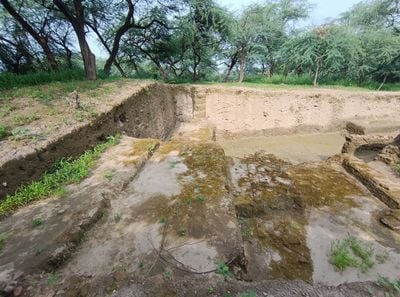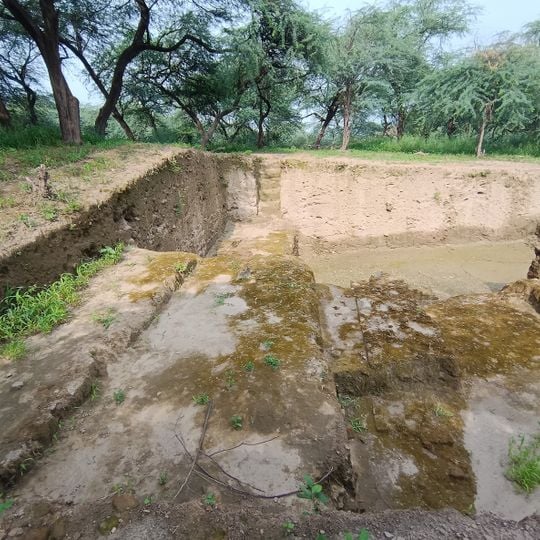
Hastinapur Archaeological Site
The Site archéologique de Hastinapur is a place where ancient ruins of stone and clay are scattered across a large area, telling stories of a civilization from long ago. The uneven ground shows traces of old roads, temple foundations, and remnants of buildings that developed over many centuries.
The city began as one of the region's earliest settlements in the Bronze Age and later became an important center during the Vedic period. Archaeological finds show this place was continuously settled and used over thousands of years.
The name comes from Sanskrit and means "City of Elephants," suggesting the animals once played an important role here. Today, both Hindu and Jain communities consider this place sacred, with temples from both traditions serving as active centers for prayer and pilgrimage.
The best time to visit is early morning or late afternoon when the light softly illuminates the ruins and the heat is less intense. The terrain is uneven, so comfortable shoes and water are helpful to make the exploration more pleasant.
Scattered across the grounds are finely carved stone pieces and small sculptures showing the skill of ancient artisans and their desire to preserve stories and beliefs. Some stones bear inscriptions in old languages, offering glimpses into the communication and knowledge of that time.
The community of curious travelers
AroundUs brings together thousands of curated places, local tips, and hidden gems, enriched daily by 60,000 contributors worldwide.