Lucknow, Capital city in Uttar Pradesh, India
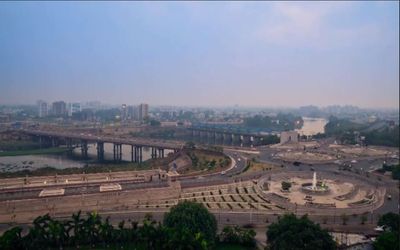
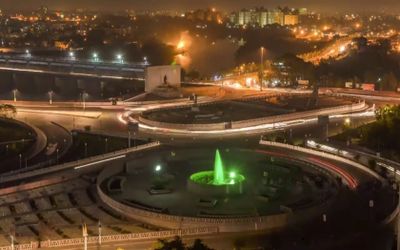
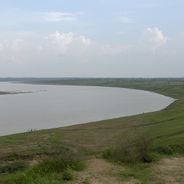
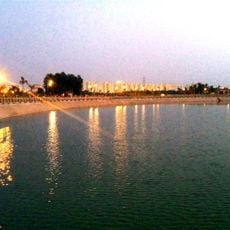
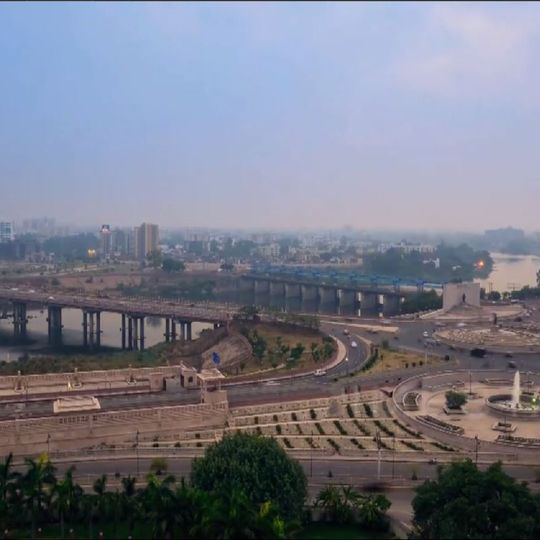
The Gomti River flows through the center of the city and divides it into several distinct areas, with wide avenues in the newer districts and narrow alleys where the older monuments stand along the riverbanks. Residents gather near the water at sunrise, while bridges connect both sides and link residential neighborhoods with the markets and courtyards of the old quarter.
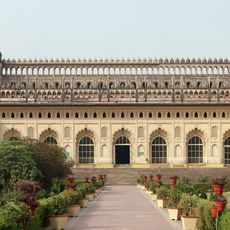
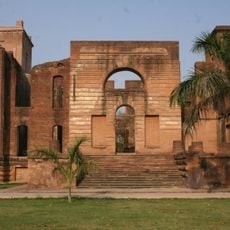
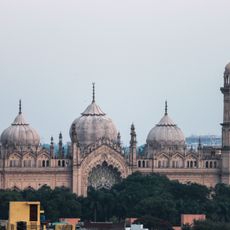
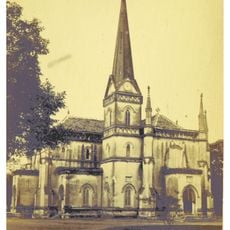
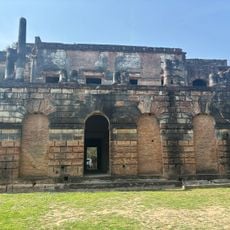
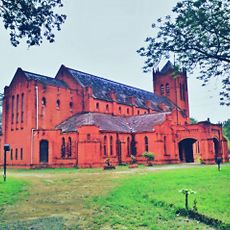
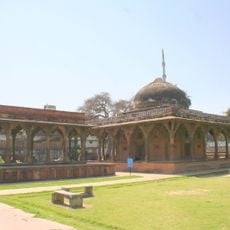
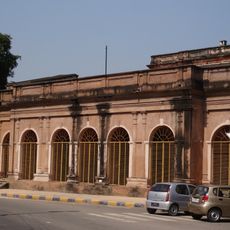
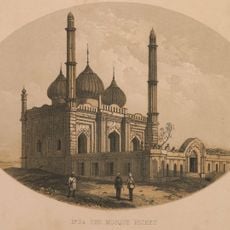
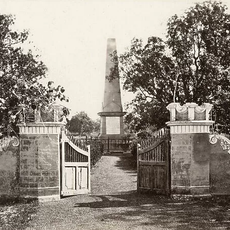
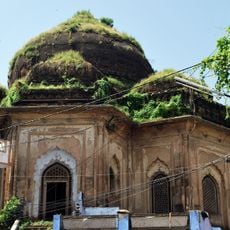
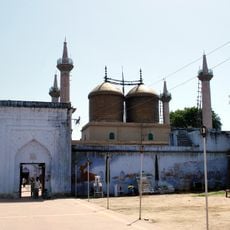
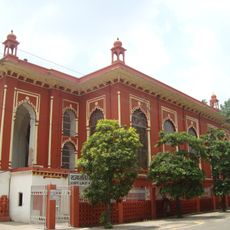
Nawabs ruled here from the 18th century onward and commissioned numerous buildings that blended Persian and Indian architectural styles throughout the city. After 1856, the British took control of the region and reshaped parts of the urban layout with new administrative structures and transport routes.
Artisans still practice Chikan embroidery by hand in the old neighborhoods, while street vendors prepare tunde kebabs on charcoal grills at busy corners and chat with regular customers throughout the day. In the bazaars of the old quarters, perfumers sit among rows of glass bottles filled with attar essences and blend fragrant oils using recipes passed down through generations of families.
Visitors can expect more comfortable temperatures from October to March when the summer heat subsides and it becomes easier to walk through the different neighborhoods and explore on foot. The older quarters are best experienced by walking, while public transport and cycle rickshaws are available for longer distances between monuments and markets.
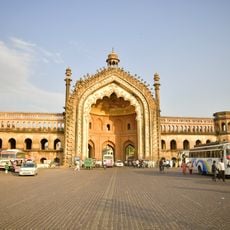
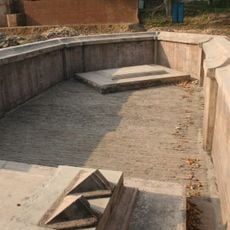
Below the Rumi Darwaza gate runs an underground water channel that once helped regulate the temperature in the adjoining rooms and halls during the hottest months. The system worked without mechanical pumps, relying on natural water pressure and air circulation controlled by openings placed carefully in the walls.
The community of curious travelers
AroundUs brings together thousands of curated places, local tips, and hidden gems, enriched daily by 90,827 contributors worldwide.