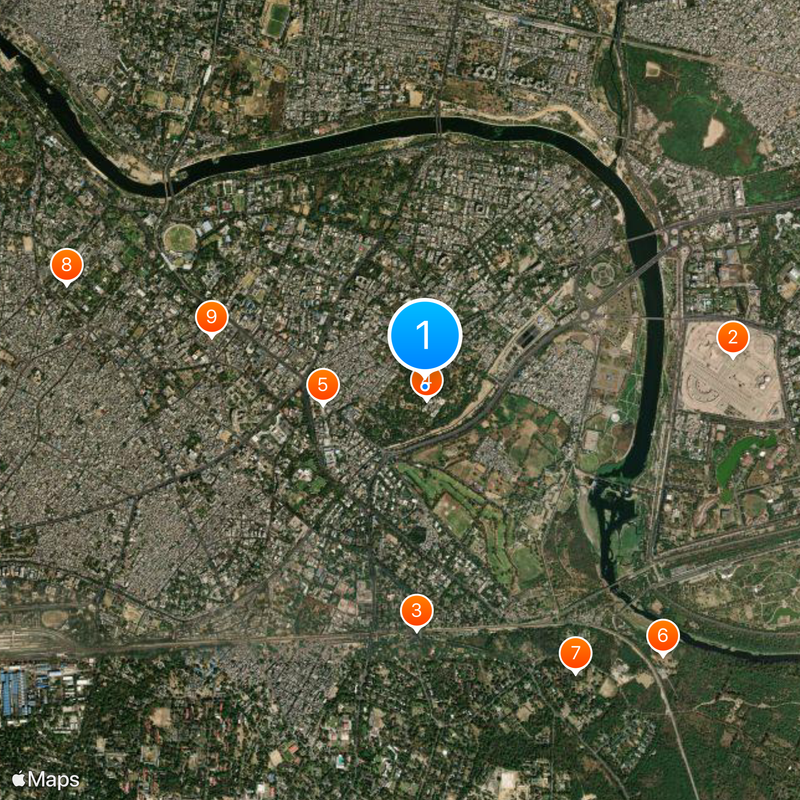
Lucknow Zoo, Zoological garden in Lucknow, India.
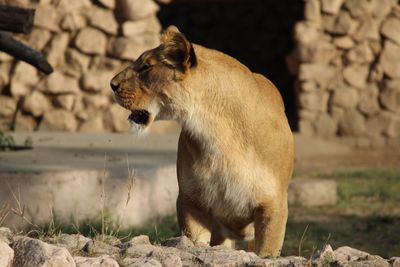
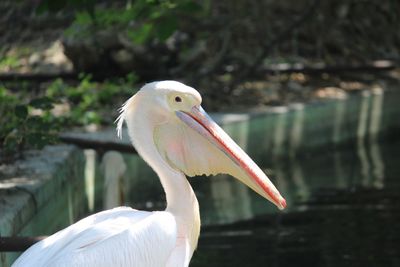
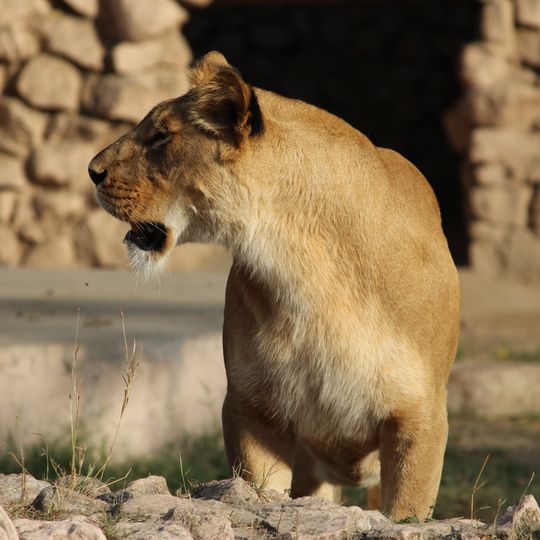
The Nawab Wajid Ali Shah Prani Udyan, also called Banaarsi Baag, is a 71.6-acre (29 ha) zoo in central Lucknow, established in 1921 and named after Wajid Ali Shah, the last Nawab of Awadh. Its collection lists Asiatic lioness, Bengal tiger, white tiger, common leopard, sloth bear, somalia giraffe, blackbuck and rosy pelican. The Uttar Pradesh State Museum, moved into the zoo grounds in 1963, holds excavated antiquities from Kapilavastu and a 1000 BC Egyptian mummy in a wooden sarcophagus.
The zoo was established in 1921 as the Prince of Wales Zoological Gardens, commemorating the visit of the future King Edward VIII; Sir Harcourt Butler, Governor of the state, proposed the idea. In June 2021 the Uttar Pradesh government renamed it Lucknow Prani Udyan. A 1924 British-era train used to haul timber between Ikma and Chauraha over 22.4 km was moved here from Maharajganj and is displayed as an exhibit.
The zoo is popularly called Banaarsi Baag, and its Urdu name Lakhnaū Chiṛiyāghara means Lucknow birdhouse. The toy train inaugurated on Children's Day, 14 November 1969, by Chief Minister Chandra Bhanu Gupta ran until 21 November 2013; its engine and two coaches, a gift from the Railway Board, are parked in front of the state museum inside the zoo.
The toy train runs on a 1.5 km track with crossings and signals, starting from Chandrapuri station and reaching most sections of the zoo. The 44-year-old original train was withdrawn on 21 November 2013 and now stands parked in front of the state museum inside the grounds; a four-bogey replacement began service on 28 February 2014.
The 1924 train originally transported timber through the forests of northern India before being placed as a stationary exhibit. The museum inside the park displays Mughal-era objects alongside the ancient Egyptian mummy, documenting the history of the Awadh region.
The community of curious travelers
AroundUs brings together thousands of curated places, local tips, and hidden gems, enriched daily by 92,879 contributors worldwide.