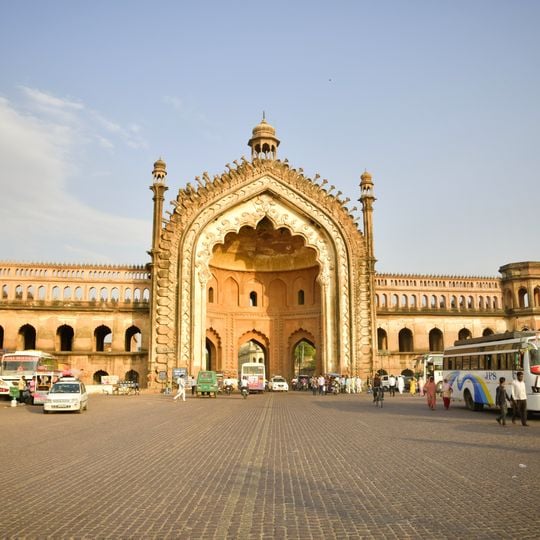
Rumi Darwaza, Turkish gateway in Lucknow, India
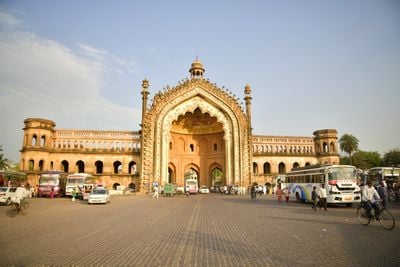
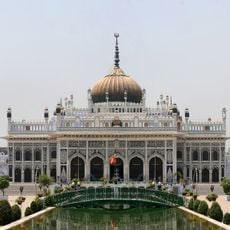
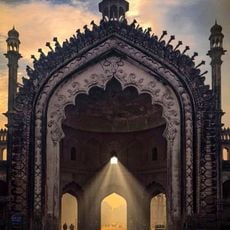
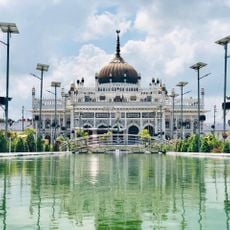
Rumi Darwaza is a monumental gateway in Lucknow standing about 60 feet (18 m) tall, defined by a large central arch crowned with an octagonal dome. The structure displays intricate floral patterns carved into its surfaces, built from brick and covered with lime plaster throughout.
Nawab Asaf-ud-Daula commissioned the gateway in 1784 during a period of severe famine, intending to create employment for the struggling population. The construction was part of broader efforts to rebuild and develop the city through times of hardship.
The gateway blends Persian arches with Indian ornamental patterns, reflecting the cultural mixing that defined Lucknow in the 1700s. The decorative details and construction style show the artistic influences that shaped the city during this period.
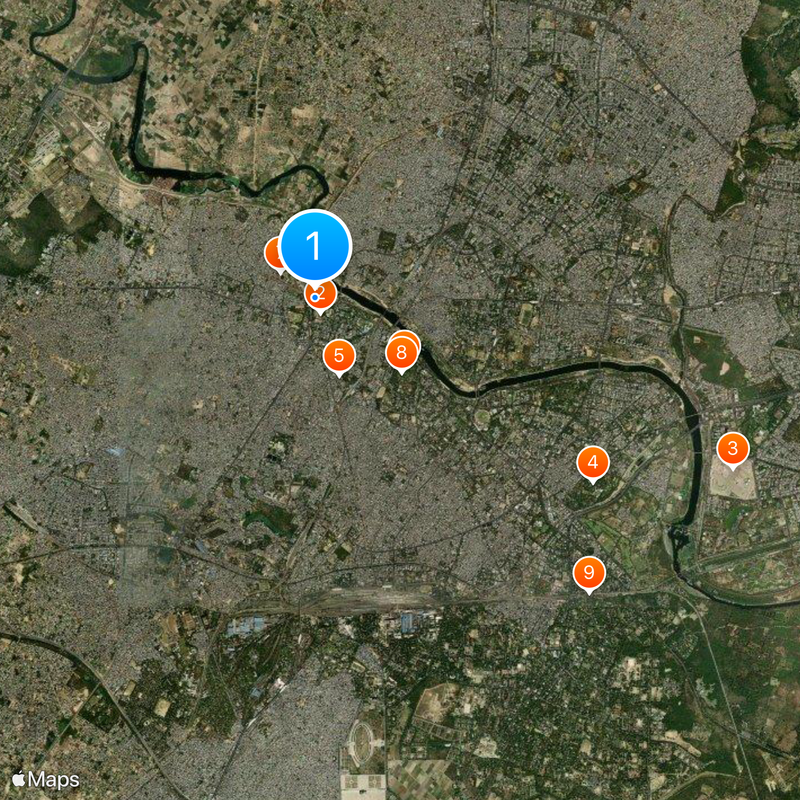
The gateway sits between the two Imambaras and is easy to reach on foot if you are exploring the central areas of the city. The best time to visit is during cooler morning hours or late afternoon, especially during warmer months.
The gateway originally featured a sophisticated water system that supplied fountains from its upper pavilion. This water network drew from the nearby Gomti River and represented a remarkable feat of hydraulic engineering for its era.
The community of curious travelers
AroundUs brings together thousands of curated places, local tips, and hidden gems, enriched daily by 91,122 contributors worldwide.