Musa Bagh, Historical garden complex in Lucknow, India
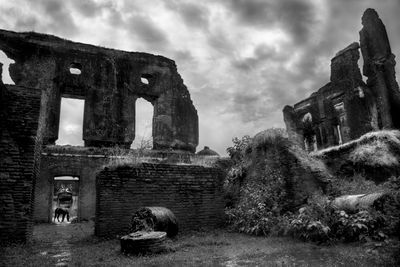
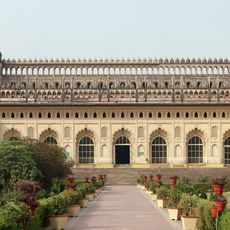
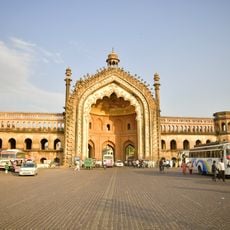
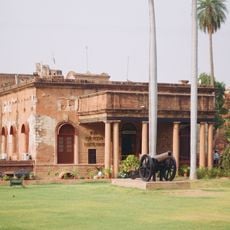
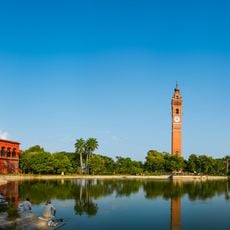
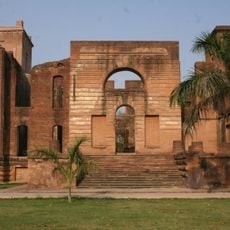
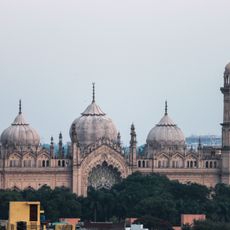
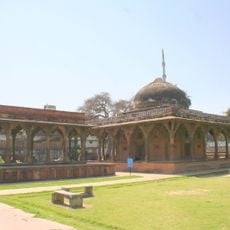
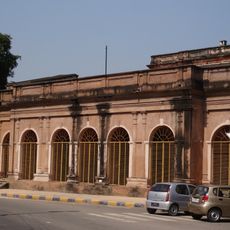
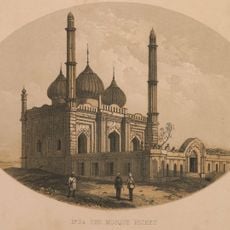
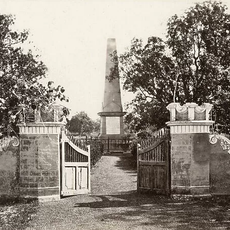
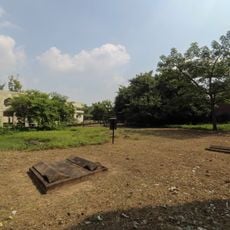
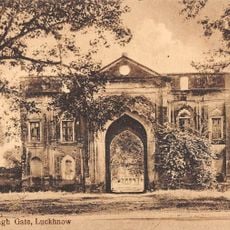
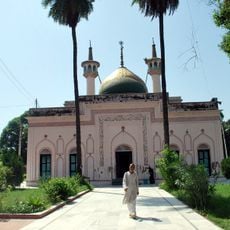
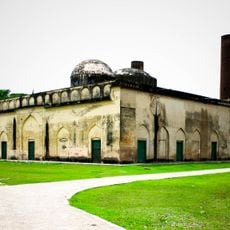
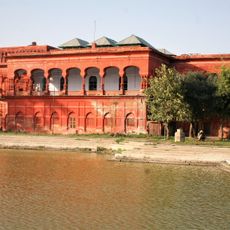
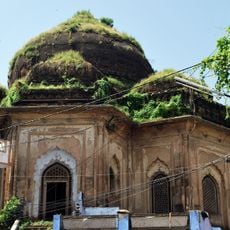
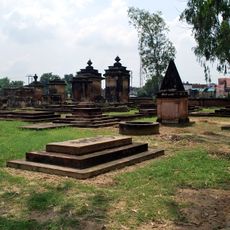
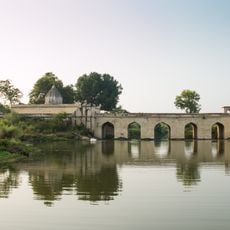
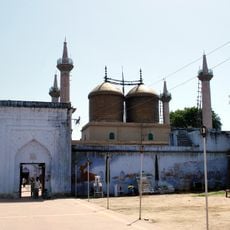
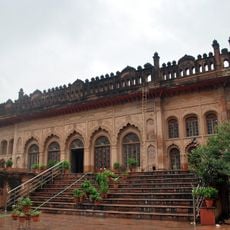
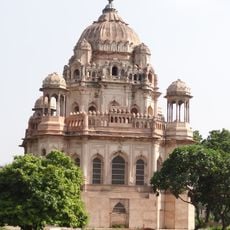
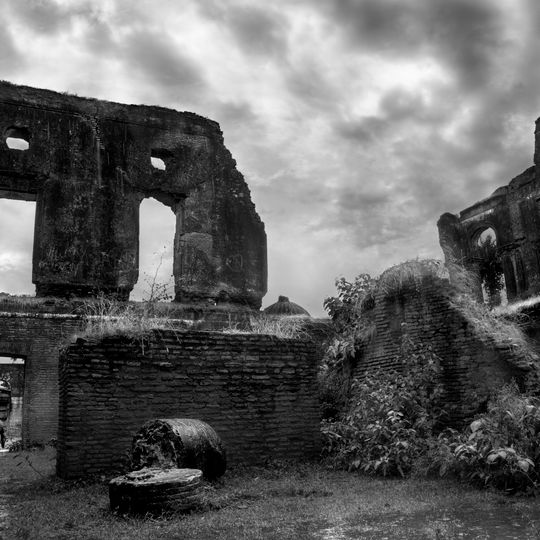
Musa Bagh is a garden complex on the outskirts of Lucknow, India, made up of scattered ruins that show a mix of Indo-European architectural styles across several structures. The grounds are spacious, with pavilions and smaller buildings spread among trees and overgrown paths.
The garden was built between 1798 and 1814 by Saadat Ali Khan, the fifth Nawab of Awadh, combining French design ideas with local construction methods. In 1857, Begum Hazrat Mahal used it as a last stronghold before British forces took control of the site.
Musa Bagh was built as a pleasure retreat for the Nawabs of Awadh, set far enough from the city to feel removed from court life. The mix of French and local architectural styles visible in the remaining walls reflects the cosmopolitan tastes of the Awadhi court.
Visiting in the early morning or late afternoon is a good idea, since the open grounds offer little shade during midday. Wear sturdy shoes, as the paths between the ruins are uneven and can be difficult to walk on.
The site still has visible traces of a terracotta duct system that channeled air through roof vents to cool the interior rooms. This worked without any mechanical help, relying entirely on natural airflow through the structure.
The community of curious travelers
AroundUs brings together thousands of curated places, local tips, and hidden gems, enriched daily by 92,006 contributors worldwide.