Sikkim, State in northeast India
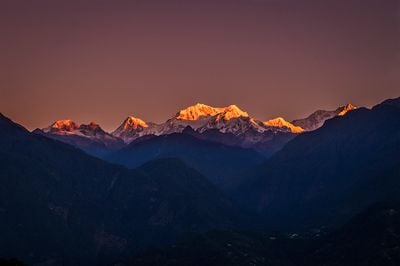
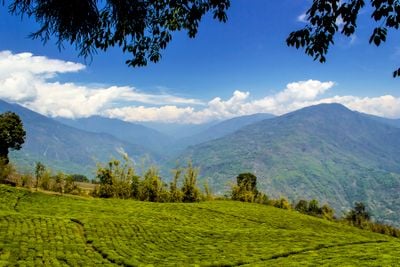
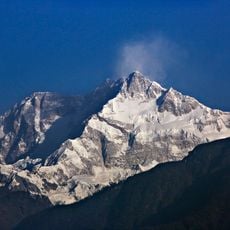
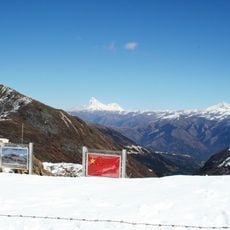
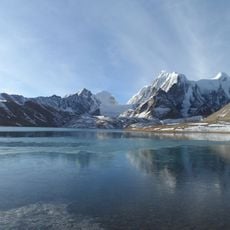
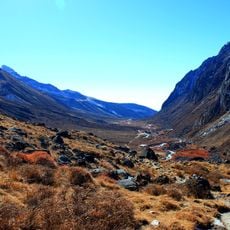
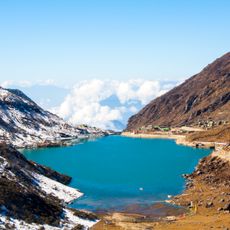
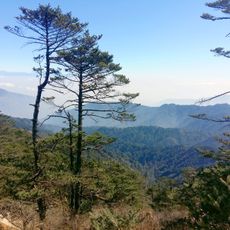
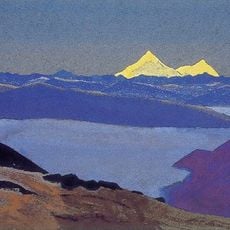
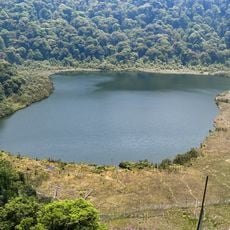
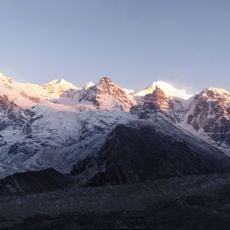
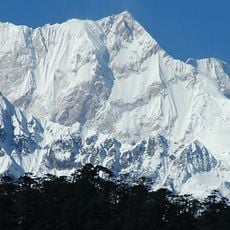
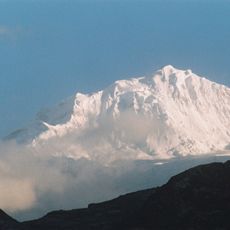
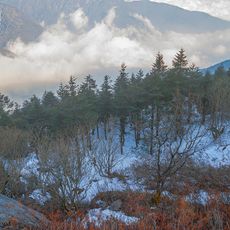
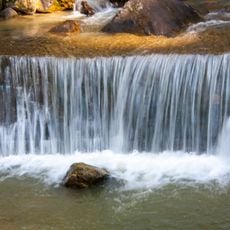
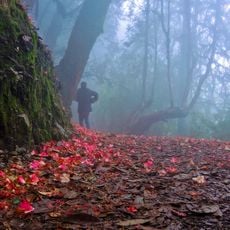
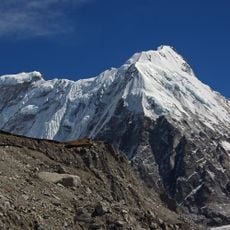
Sikkim is a state in northeastern India between Nepal, Bhutan, and Tibet, dominated by the Himalayas. Kangchenjunga National Park occupies much of the territory and includes glaciated peaks, rhododendron forests, and steep valleys with fast rivers.
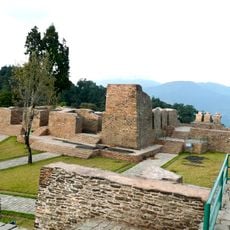
For centuries the Chogyal dynasty ruled this Buddhist kingdom, until political tensions and a referendum in 1975 led to incorporation into India. The last ruler left the palace in Gangtok, which now serves as a museum.
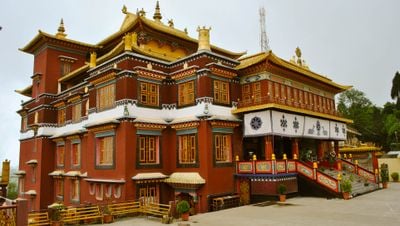
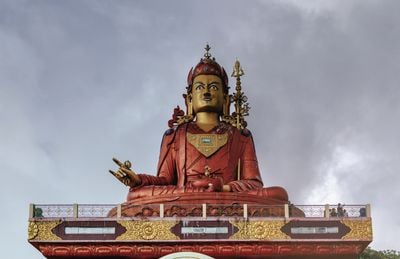
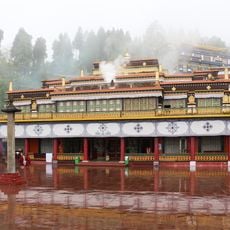
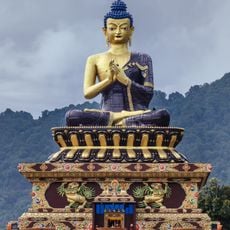
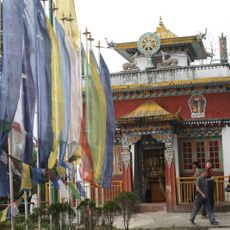
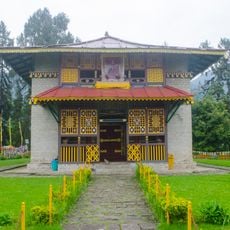
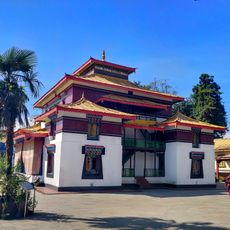
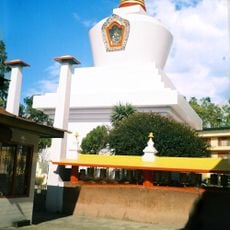
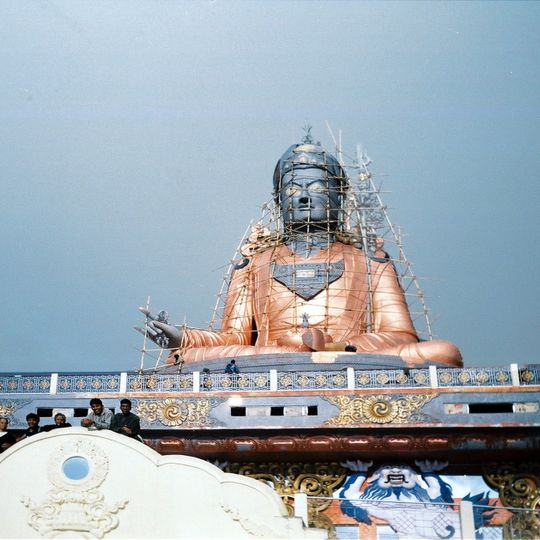
Bhutia, Lepcha, and Nepali communities live together here and celebrate festivals like Losar with masked dances, drumming, and dishes made from yak butter. Monasteries open their doors during religious ceremonies, when monks in red robes hang prayer flags and welcome visitors inside.
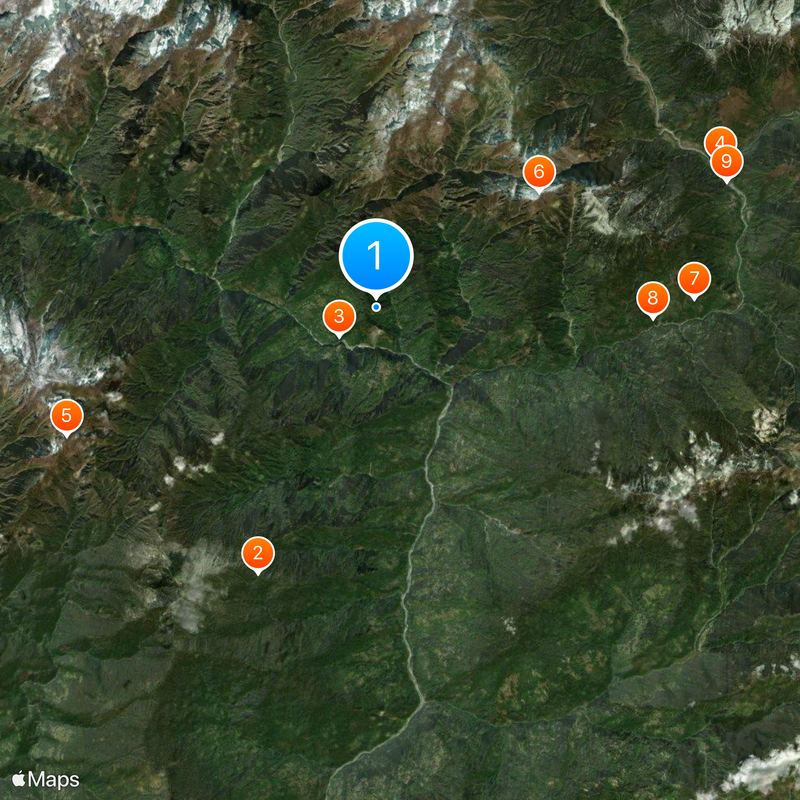
Gangtok, the capital, sits at mid-elevation and offers access to monasteries, trekking routes, and local markets through shared taxis and organized tours. Higher elevations require time for acclimatization due to thin air, and many roads become difficult to pass during monsoon season between June and September.
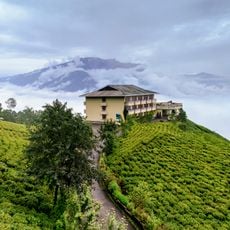
Since 2016 all farmers here work their fields completely organically and grow specialties like black cardamom and mountain rice. This conversion made the area India's first fully organic state and drew international attention to its sustainable farming methods.
The community of curious travelers
AroundUs brings together thousands of curated places, local tips, and hidden gems, enriched daily by 90,801 contributors worldwide.