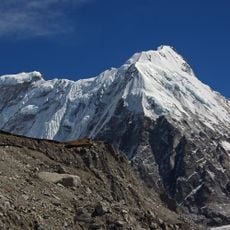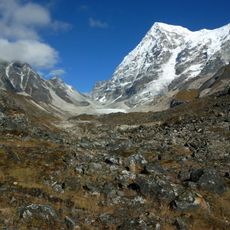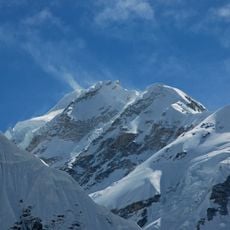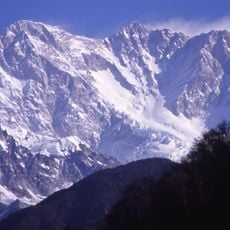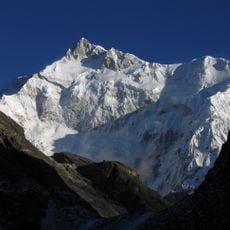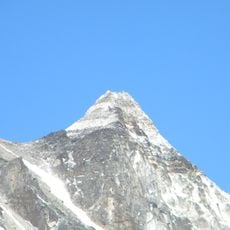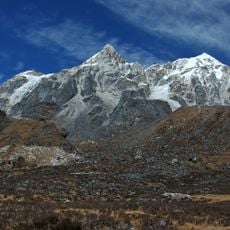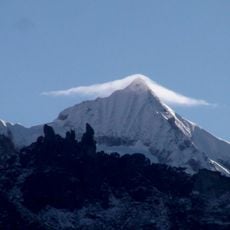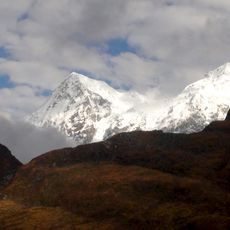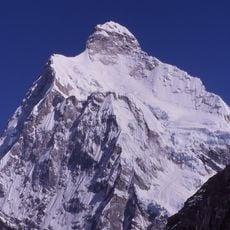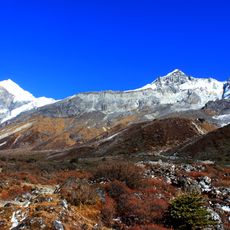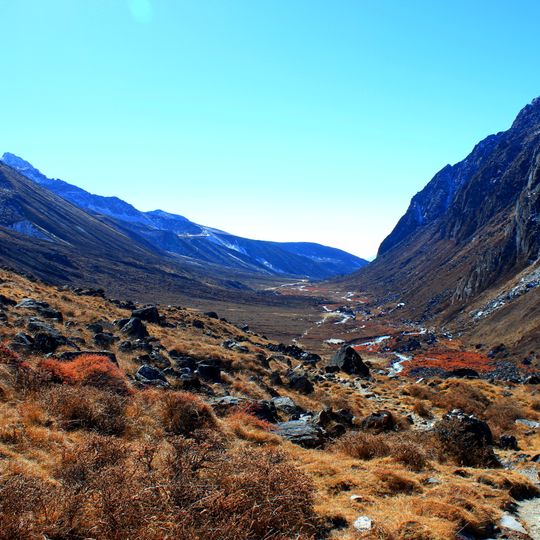
Khangchendzonga National Park, National park and UNESCO World Heritage Site in Sikkim, India.
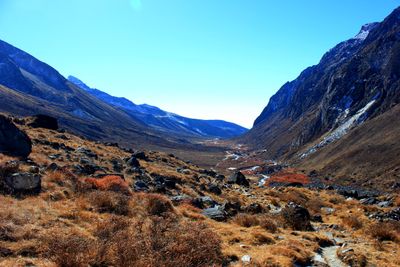
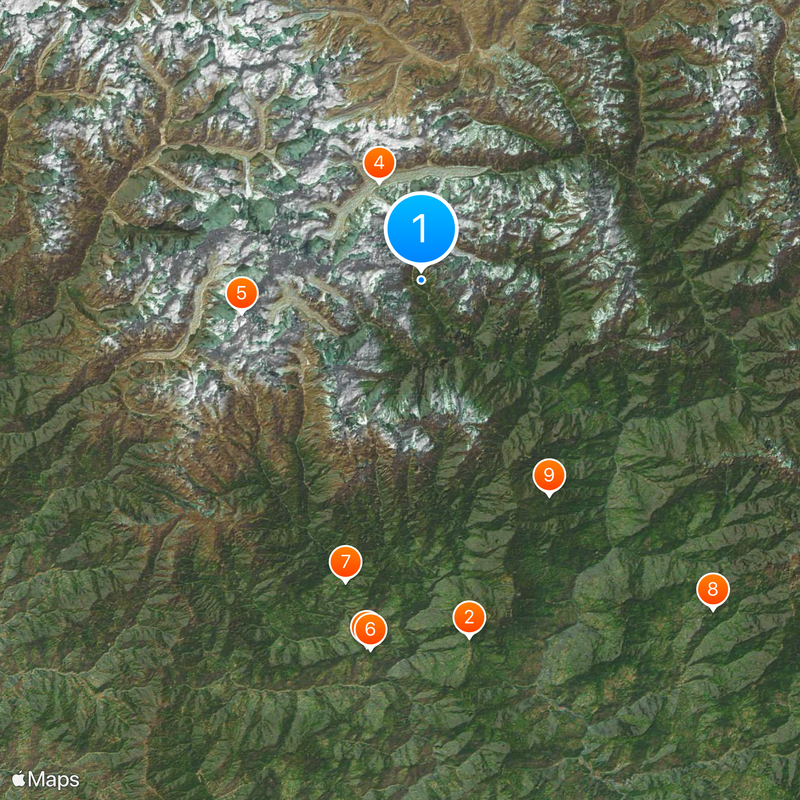
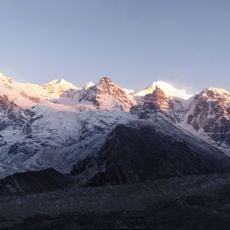
Khangchendzonga is a protected area in northern Sikkim with forests, meadows and rocky terrain covering more than sixteen hundred square kilometers. The elevation ranges from subtropical zones to snow-covered slopes at extreme heights, creating different habitats for plants and animals.
The Indian government created this protected territory in the late seventies to safeguard the mountain range and its inhabitants from major intrusion. Roughly four decades later, the site gained international recognition for its natural diversity and connection to local culture.
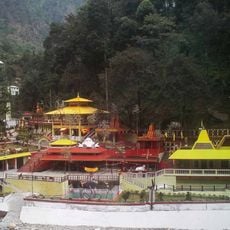
The name means dwelling place of gods in the local tongue, and communities living nearby still view the peaks and valleys as connected to spiritual beliefs. Indigenous groups perform rituals near certain slopes and lakes considered sacred, visiting them at important times throughout the year.
Travelers need a permit before entering the territory and should plan visits for spring or autumn when weather is more favorable. The trails lead through steep slopes and changing climate zones, so warm and weatherproof clothing is necessary.
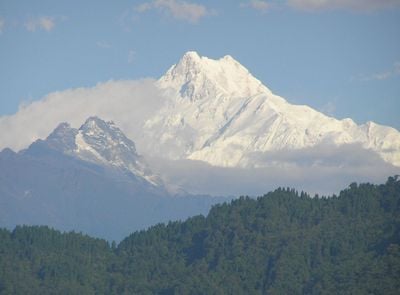
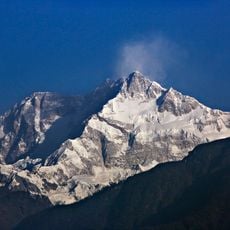
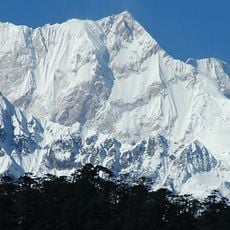
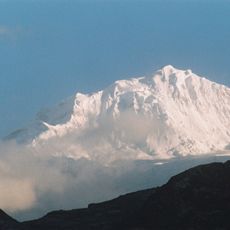
The territory holds the third tallest summit on Earth, rising over twenty-eight thousand feet (8500 m) and visible from far away. More than five hundred bird species inhabit the area, along with snow leopards and red pandas found in the higher forests and on rocky ridges.
The community of curious travelers
AroundUs brings together thousands of curated places, local tips, and hidden gems, enriched daily by 91,761 contributors worldwide.