Hampi, Archaeological site in Vijayanagara district, Karnataka, India
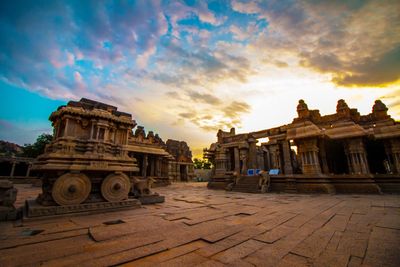
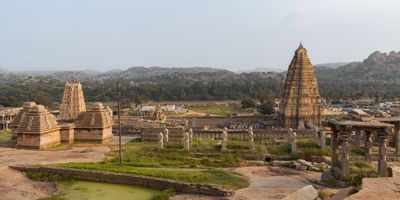
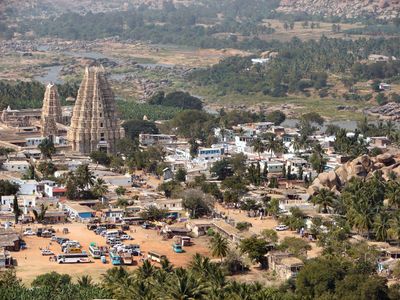
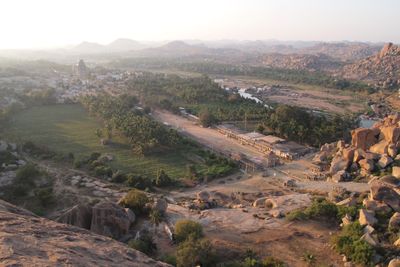
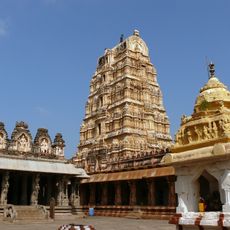
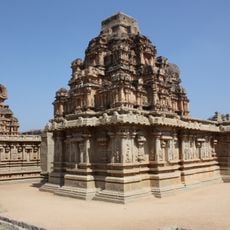
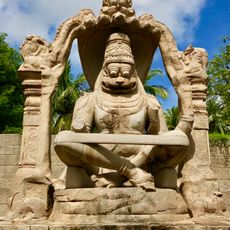
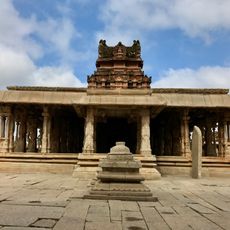
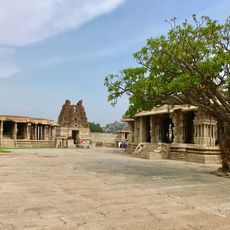
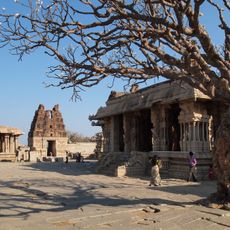
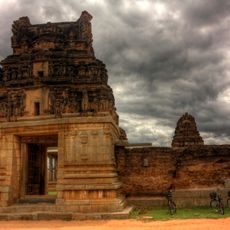
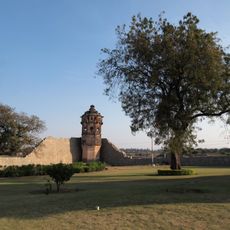
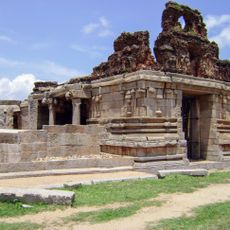
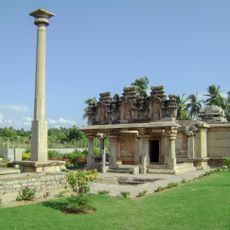
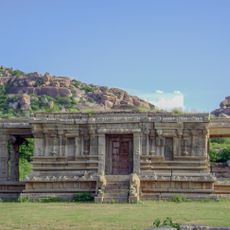
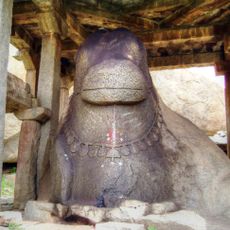
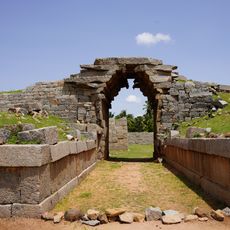
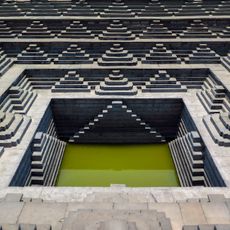
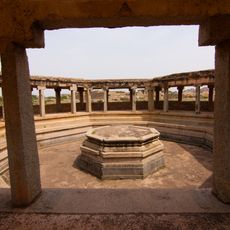
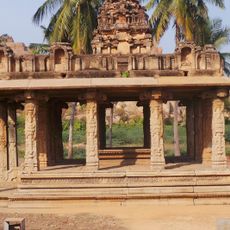
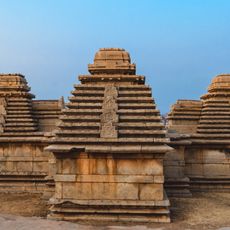
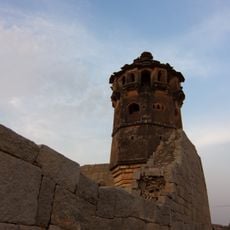
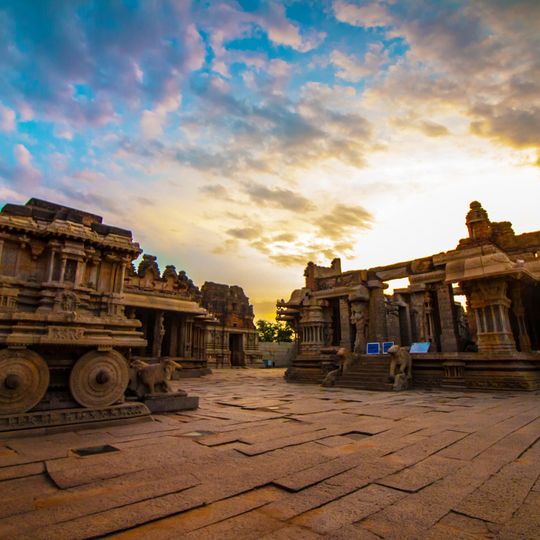
Hampi is a UNESCO World Heritage Site in Vijayanagara district, Karnataka, with over 1,600 surviving remains across 4,100 hectares. Its Virupaksha Temple has a 50-metre gopura on the south bank of the Tungabhadra, and the site includes the stone chariot, the musical pillars of the Vittala temple, and the 6.7-metre Lakshmi Narasimha monolith.
Around 1500, the city ranked among the largest in the world after Beijing and drew merchants from Persia and Portugal. The site was abandoned in 1565 following a military defeat and remained largely untouched until its rediscovery in the 19th century.
The name Hampi comes from Pampa, an old name of the Tungabhadra River and of the goddess Parvati, who is said to have done penance on Hemakuta Hill. The Virupaksha Temple, dedicated to Shiva and Pampa, is still an active place of worship, and the annual Vijayanagara Festival is usually held in November.
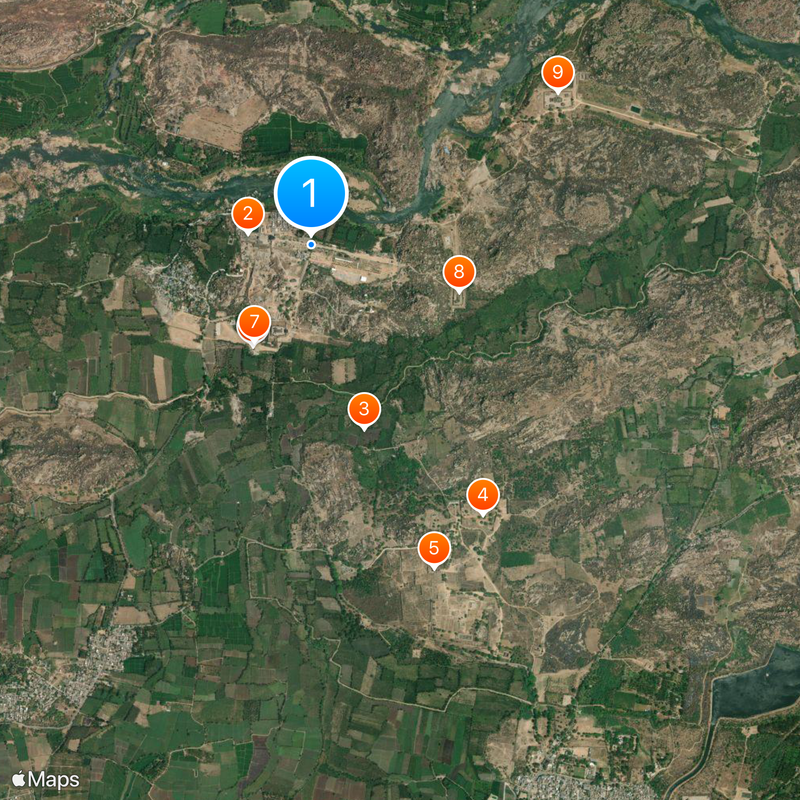
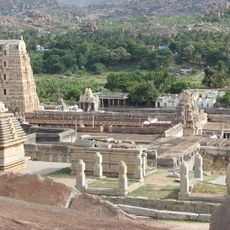
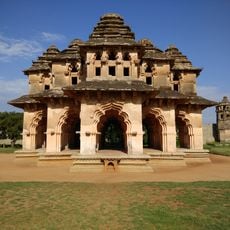
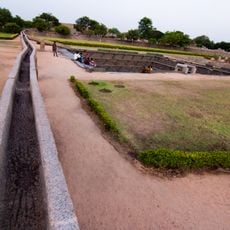
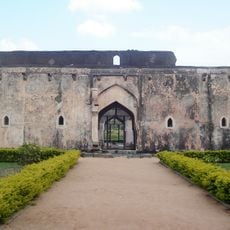
The ruins cover 4,100 hectares, so group the monuments by area: the Virupaksha temple and Hemakuta hill on the south bank of the Tungabhadra, the royal centre around Kamalapura, and the riverside structures. The nearest town is Hosapete, 13 km away. The Kamalapura museum is closed on Fridays and national holidays and opens 10 am to 5 pm on other days.
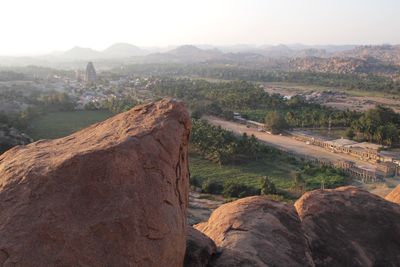
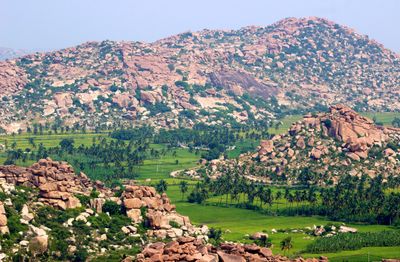
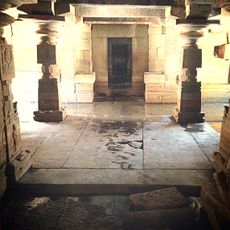
Massive granite boulders form natural fortifications across the landscape, while structures were cleverly integrated into the rocky terrain. Some pillars produce musical tones when tapped lightly, a technique stonemasons used during construction to test the quality of the granite.
The community of curious travelers
AroundUs brings together thousands of curated places, local tips, and hidden gems, enriched daily by 92,342 contributors worldwide.