Lotus Mahal Pavilion, Palace in Royal Centre, Hampi, India
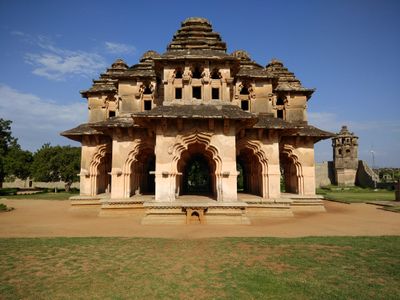
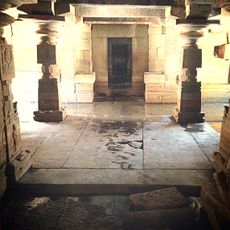
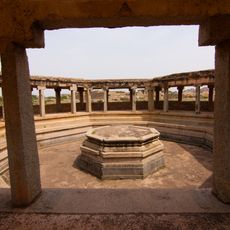
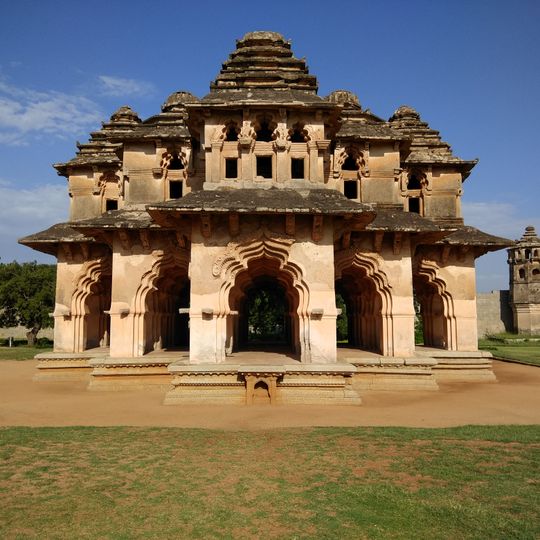
Lotus Mahal Pavilion is a palace in the Royal Centre of Hampi with symmetrical architecture, lobed arches, curved eaves, and nine pyramidal towers arranged with eight smaller towers surrounding a taller central one. The interior features channels running through beams and columns that helped cool the space during hot months.
Built in the 16th century during the Vijayanagara Empire, this pavilion functioned as a council chamber where the emperor met with advisors. It stands within a high-walled compound that also housed elephant stables and watchtowers.
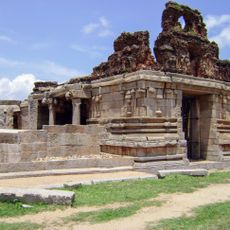
The building blends temple-inspired design with sultanate features, a fusion typical of medieval South Indian palaces. Visitors can see this blend in the arches, towers, and ornamental details throughout the structure.
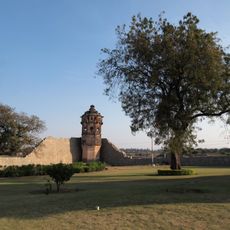
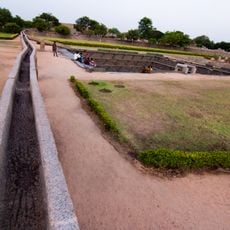
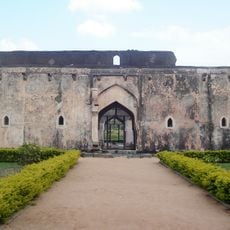
The pavilion sits within a walled compound that visitors can explore, with early morning or late afternoon being the best time to visit. The surrounding grounds offer open pathways, making it easy to view the building's exterior form and nearby structures from different angles.
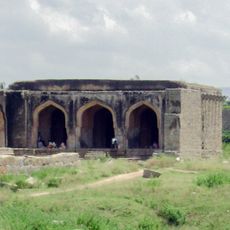
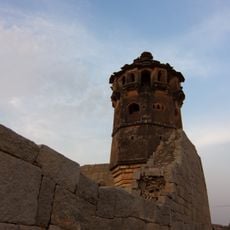
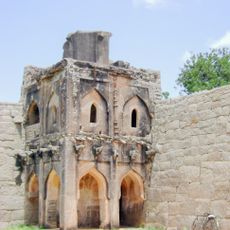
The building stands beside octagonal watchtowers and vaulted structures, with direct access to elephant stables nearby. This layout reveals how the space was integrated into the daily operations and animal management of the royal court.
The community of curious travelers
AroundUs brings together thousands of curated places, local tips, and hidden gems, enriched daily by 91,156 contributors worldwide.