India offers a diverse collection of places where history, nature, and local cultures intertwine. This selection includes well-known destinations and less visited locations, revealing the country in all its variety. From the beaches of Gokarna in Karnataka to the peaks of the Himalayas, there is a wide range of experiences to discover.
The places in this collection tell different stories. The Hoysaleswara Temple in Halebidu displays the craftsmanship of earlier periods, while Phugtal Monastery in Ladakh sits in a remote mountain landscape. The Rann of Kutch in Gujarat reveals a salt plain that changes with the seasons. Traditional villages like Mawlynnong in Meghalaya and the Chettinad region in Tamil Nadu offer insight into regional ways of life and architecture.
The collection also features natural wonders such as Pangong Lake in Ladakh, lakes and mountains across Himachal Pradesh, and lesser-visited places like the ruins of Dhanushkodi and the Nighoj limestone formations in Maharashtra. Each location provides its own perspective on India's geographical and cultural complexity.
India offers a diverse collection of places where history, nature, and local cultures intertwine. This selection includes well-known destinations and less visited locations, revealing the country in all its variety. From the beaches of Gokarna in Karnataka to the peaks of the Himalayas, there is a wide range of experiences to discover.
The places in this collection tell different stories. The Hoysaleswara Temple in Halebidu displays the craftsmanship of earlier periods, while Phugtal Monastery in Ladakh sits in a remote mountain landscape. The Rann of Kutch in Gujarat reveals a salt plain that changes with the seasons. Traditional villages like Mawlynnong in Meghalaya and the Chettinad region in Tamil Nadu offer insight into regional ways of life and architecture.
The collection also features natural wonders such as Pangong Lake in Ladakh, lakes and mountains across Himachal Pradesh, and lesser-visited places like the ruins of Dhanushkodi and the Nighoj limestone formations in Maharashtra. Each location provides its own perspective on India's geographical and cultural complexity.
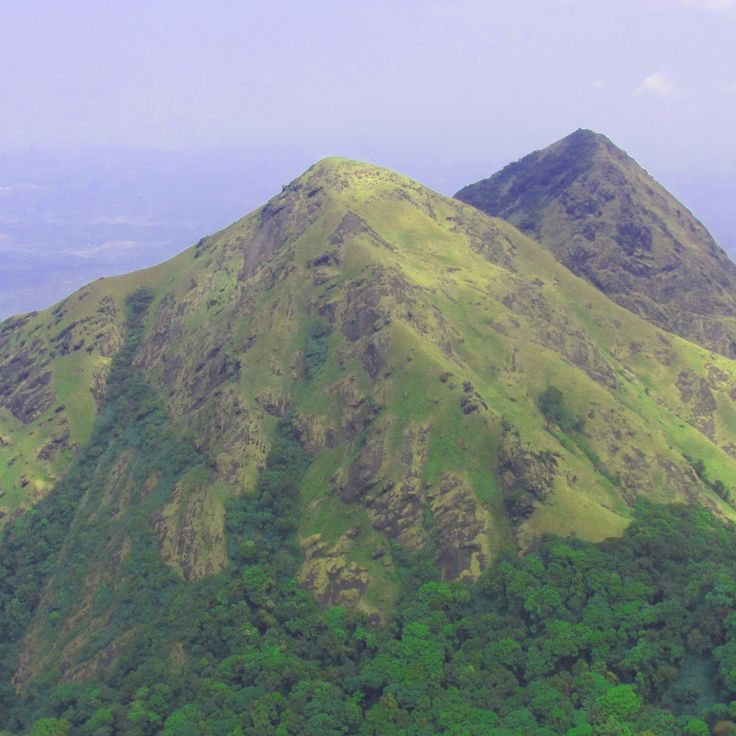
Chembra Mountain is a 2100-meter peak in Kerala that fits into this collection of Indian natural sites and historical locations. The mountain features hiking trails that wind through tea plantations, and a heart-shaped lake sits at mid-elevation. Visitors can walk through the green slopes and take in views of the surrounding landscape.
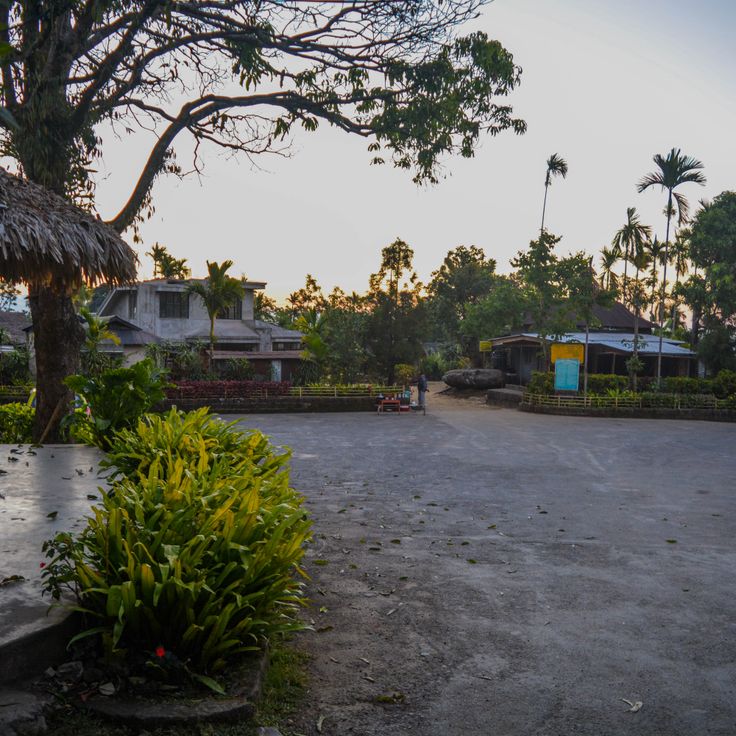
Mawlynnong is a village included in this collection to show how regional cultures work across India. The community is led by women following a matrilineal tradition passed down through families. The streets are well-kept and natural bridges made from tree roots connect different parts of the village together.
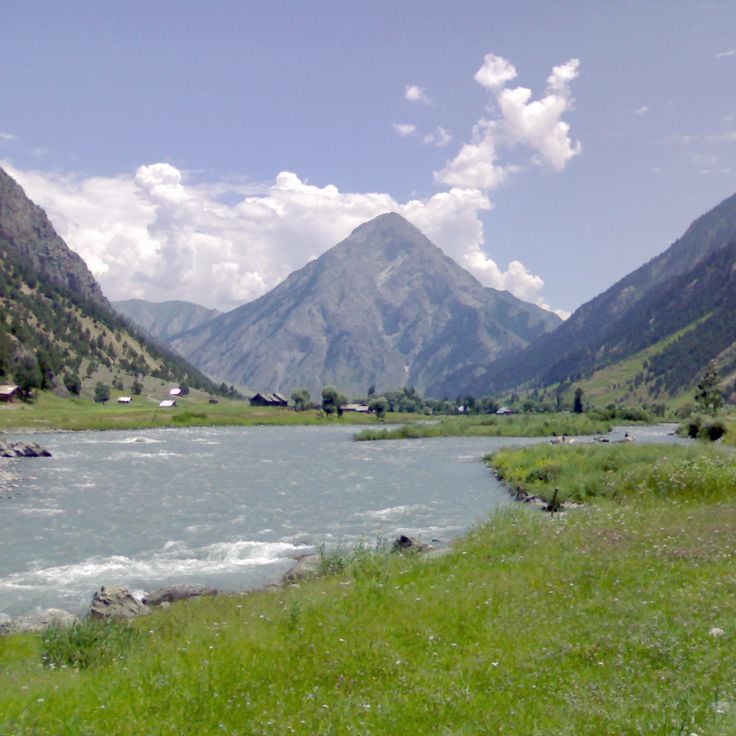
Gurez Valley in Jammu and Kashmir represents the natural and cultural diversity featured in this collection. The valley is shaped by mountains, meadows, and the Kishanganga River flowing through it. The Dard Shin community lives here, maintaining their own distinct culture with traditional practices, language, and ways of life. Visitors can explore the mountain and river landscape while learning about the daily rhythms of this local community.
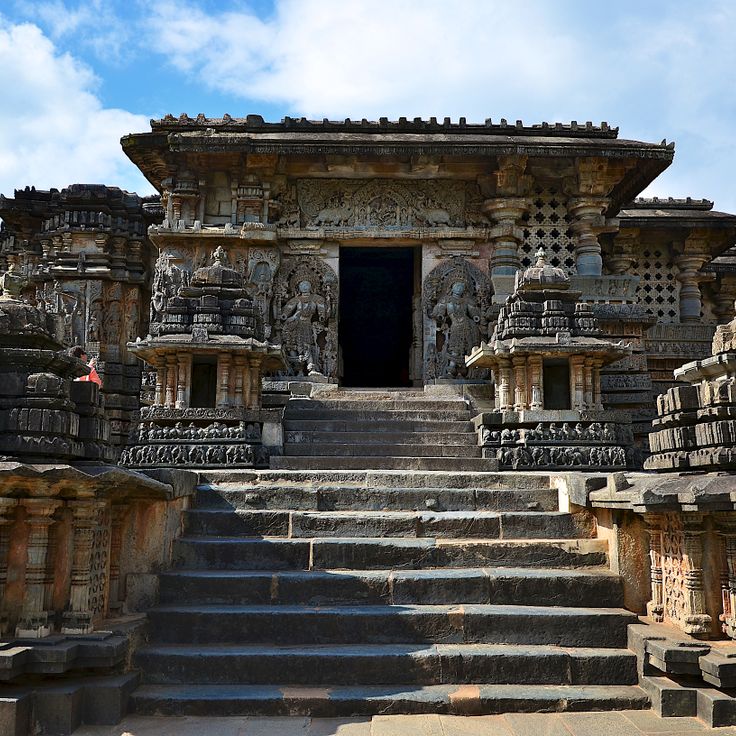
The Hoysaleswara Temple in Halebidu showcases detailed stone carvings from the 12th century, with 240 wall reliefs depicting Hindu deities. This site represents Indian historical monuments that reveal regional traditions and artistic skill, offering visitors insights into the cultural heritage of Karnataka.
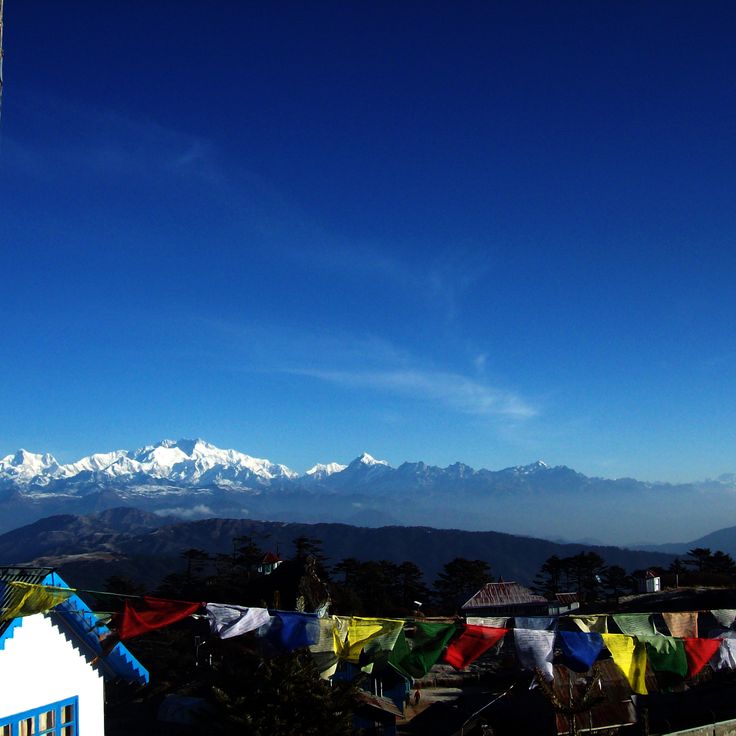
Sandakphu is a mountain in West Bengal that stands at 3636 meters high. From this peak, visitors can see four of the five highest mountains in the world. The mountain sits in the Himalayan region and offers views of snow-covered summits. As part of this collection, Sandakphu shows the natural variety of India, alongside historical temples, natural areas, and traditional villages featured throughout the selection.
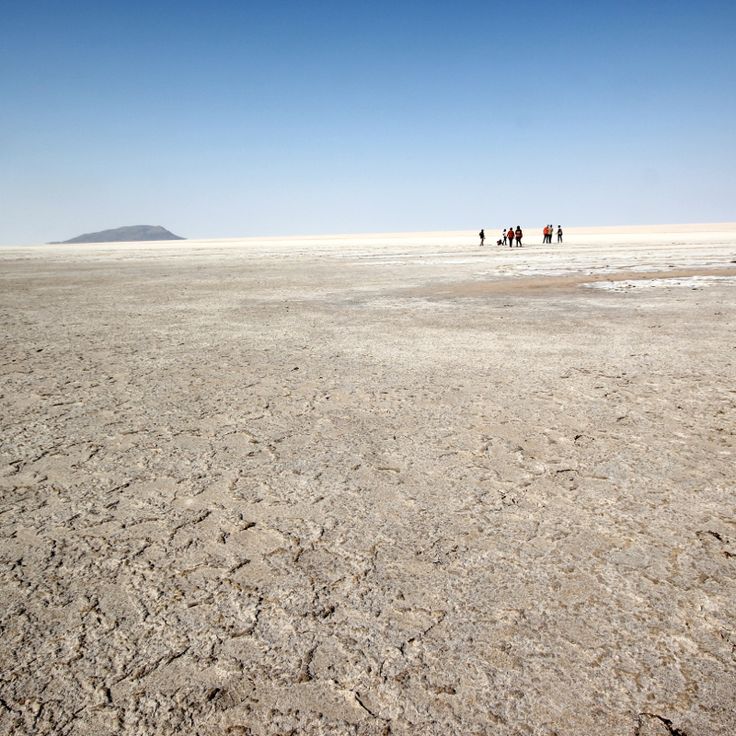
The Rann of Kutch is a salt desert in Gujarat that transforms into a saline marsh during monsoon season. It forms part of a collection showcasing India's diverse landscapes, from coastal beaches to Himalayan peaks, historical temples, and traditional villages across the country.
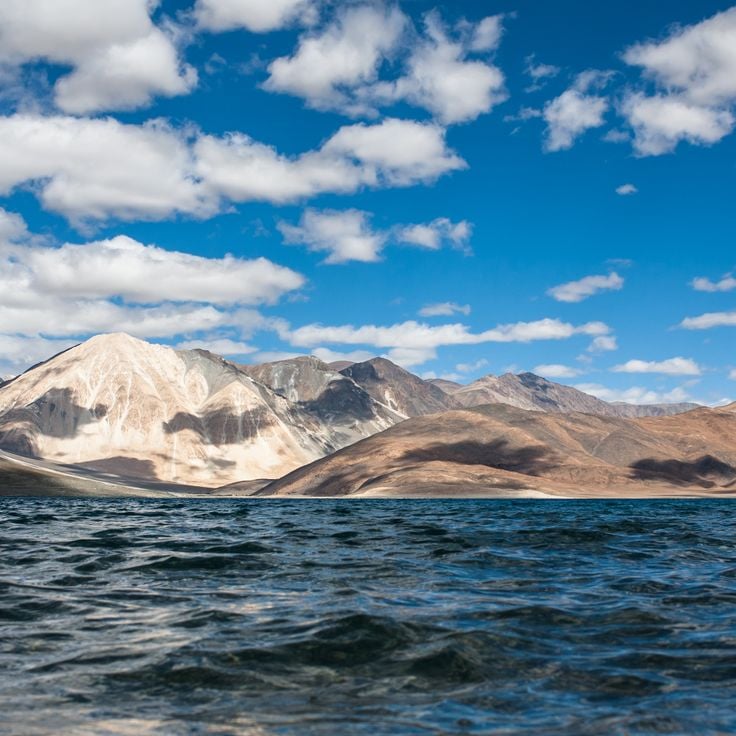
Pangong Lake is a saline lake in Ladakh that sits at 4,350 meters elevation, extending 134 kilometers between India and Tibet. This high-altitude body of water is one of the region's largest and most remote lakes, offering visitors views of the surrounding mountain ranges and stark landscapes. The lake showcases the raw beauty of Ladakh's geography and provides insight into how people and wildlife adapt to life in such extreme terrain.
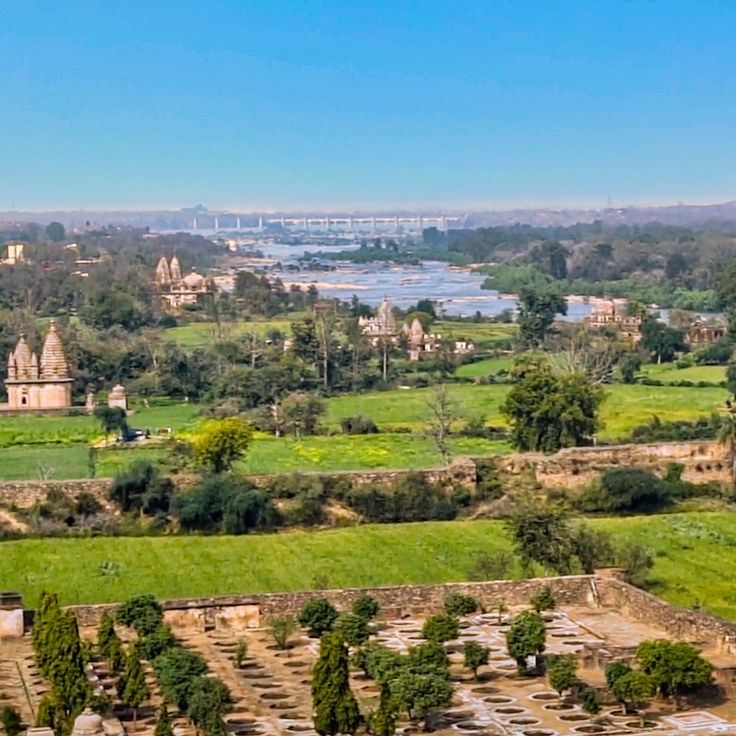
Orchha is a 16th-century city in Madhya Pradesh and fits within this collection of Indian historical monuments and natural sites. The city contains 14 royal cenotaphs and the Chaturbhuj Temple with 35-meter-high spires. Walking through Orchha offers insights into regional architecture and the heritage of this former royal settlement.
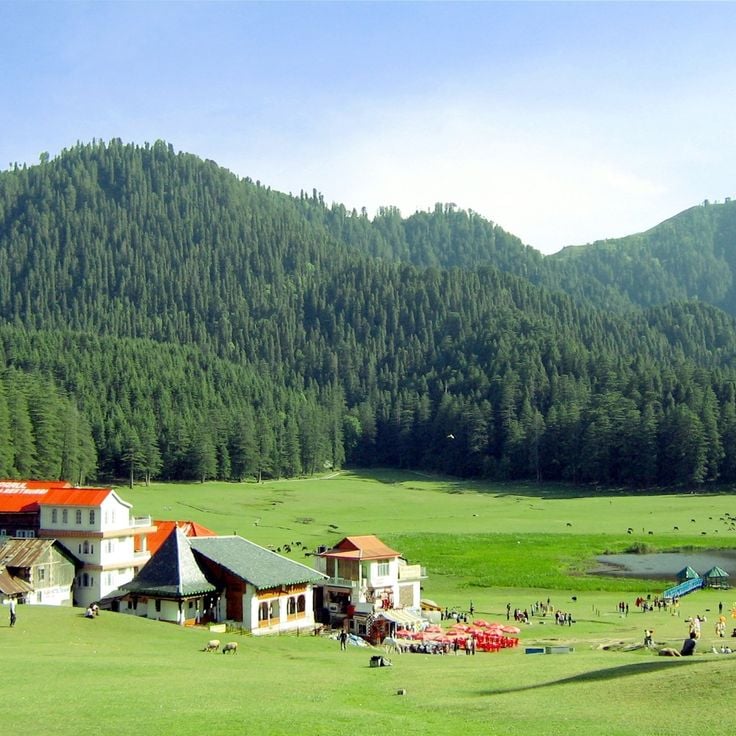
Khajjiar Lake is part of this collection of Indian locations ranging from beaches to Himalayan peaks. The lake sits at 1920 meters altitude and is surrounded by cedar trees, giving it the feel of an alpine landscape. The water mirrors the surrounding forest, and visitors can experience the quiet of mountain nature. This location shows how different regions of India offer varied landscapes and ecosystems.
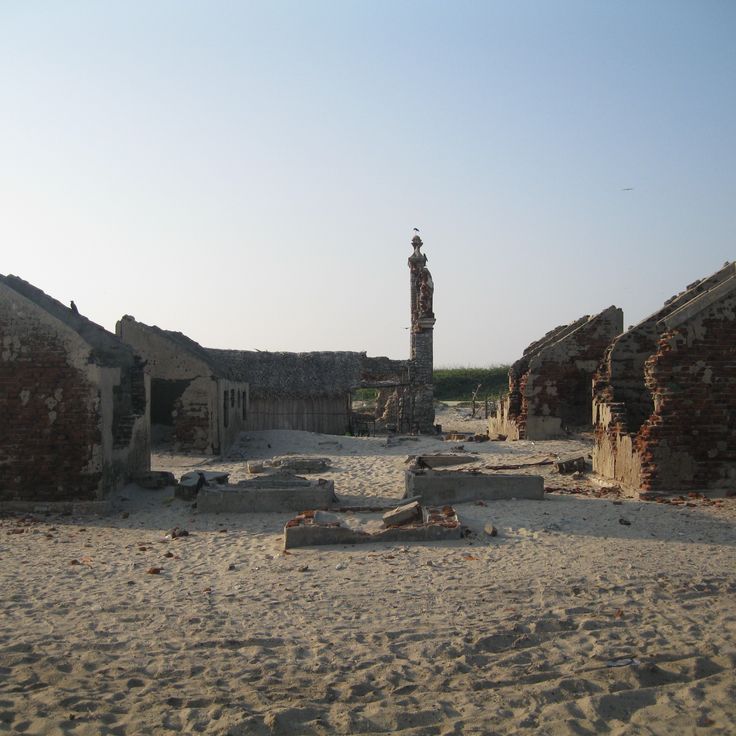
These ruins show the remains of a town destroyed by a cyclone in 1964. The structures stand at the end of a peninsula between India and Sri Lanka. Dhanushkodi is part of this collection of places that reveal Indian history and landscapes, from ancient temples to Himalayan peaks.
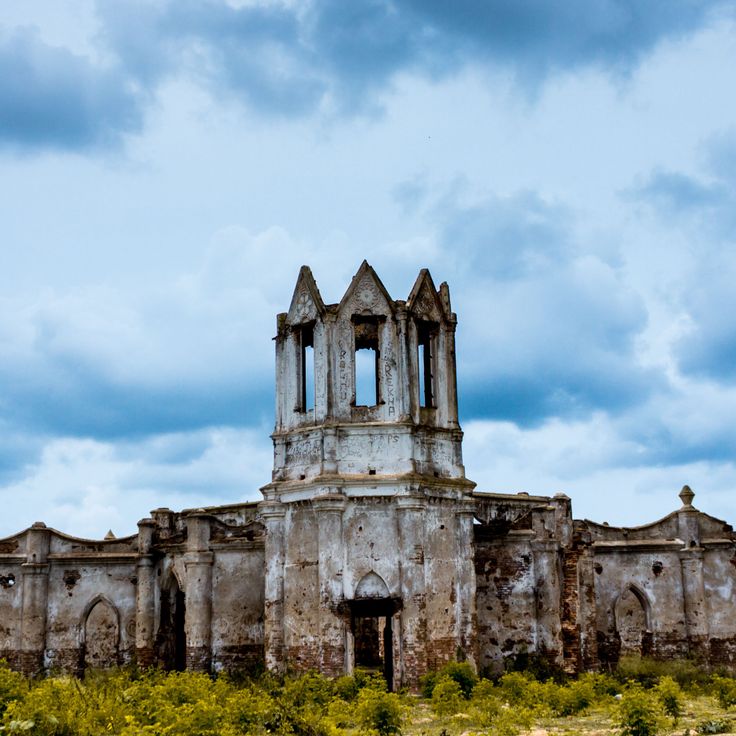
This 19th-century church in Karnataka alternates between being submerged during monsoon season and visible during dry periods. The Underwater Church demonstrates how climate and geography shape the landscape and human structures in India's diverse regions. It offers visitors a rare view of how seasonal changes transform a historical monument.
Kanatal Mountain Village is a settlement at 2590 meters (8,500 feet) altitude in Uttarakhand and exemplifies the traditional mountain communities featured in this collection of hidden locations and natural sites across India. Nestled among pine and cedar forests, the village offers views of the Himalayan mountains. It represents how local communities have adapted to life in high-altitude regions of the Himalayas.
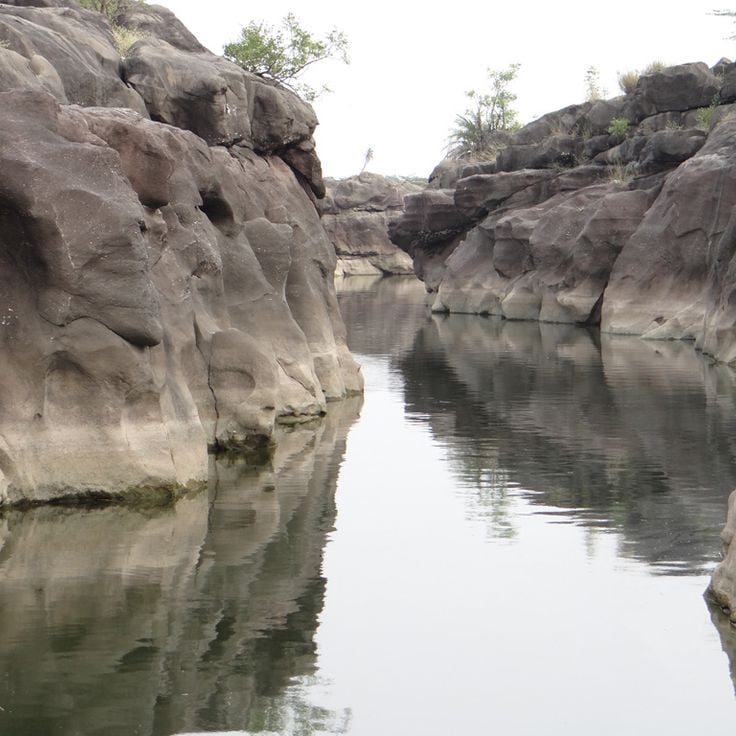
Nighoj Potholes are natural depressions in the Kukadi riverbed stone, shaped by water erosion over centuries. This site shows how flowing water has sculpted the rock formations across time. The potholes offer a glimpse into the geological forces that have shaped Maharashtra's landscape. As part of this collection of India's natural and historical sites, Nighoj demonstrates the power of water and time in creating distinctive landforms.
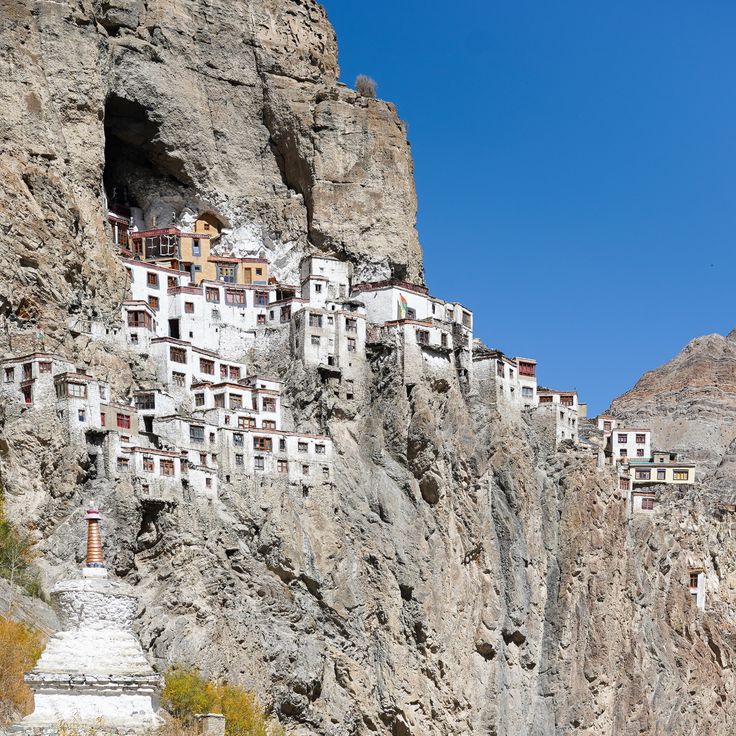
This monastery is a Buddhist structure from the 12th century, built into a cliff face in the Ladakh region. It houses around 70 monks and an ancient library filled with old texts. The monastery belongs to this collection of locations that show India's diverse spiritual and cultural traditions, from southern temples to Himalayan peaks.
Chettinad is a historical region in Tamil Nadu that shows how merchant communities lived during the 19th century. The homes here reflect the wealth and trade connections of local merchant families. The traditional food of this region uses local ingredients and cooking methods that have been passed down through generations. Local artisans continue to weave textiles by hand, keeping traditional techniques alive. The architecture of these merchant homes mixes Indian and European design elements. Walking through Chettinad gives insight into regional commerce, family life, and craft traditions.
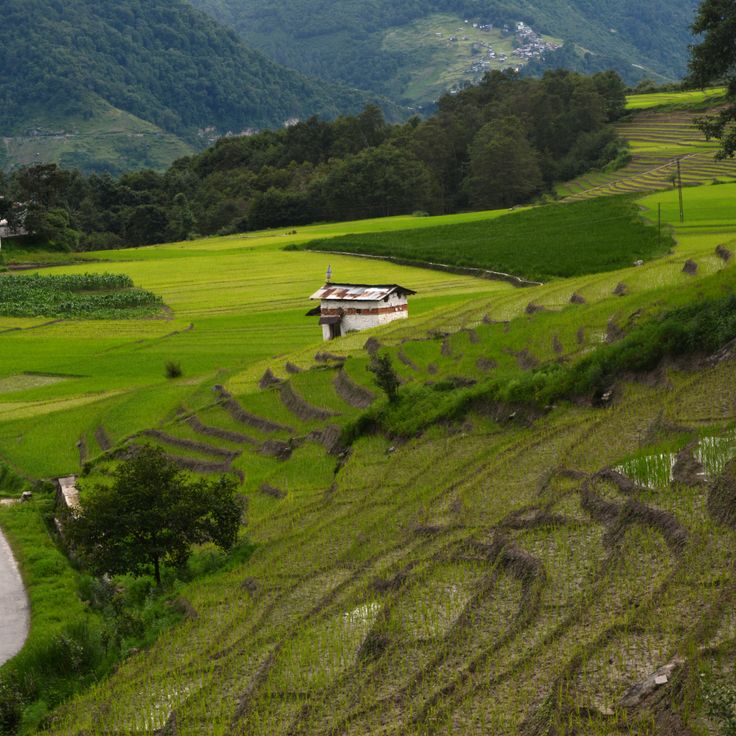
Ziro Valley is a green valley in Arunachal Pradesh where rice paddies cover the landscape and the Apatani community has lived for generations. The valley hosts an annual music festival each September that draws visitors from across the country. This location is part of a selection of Indian sites that showcase regional cultures and traditional ways of life, alongside places like Mawlynnong village in Meghalaya and the Chettinad region in Tamil Nadu.
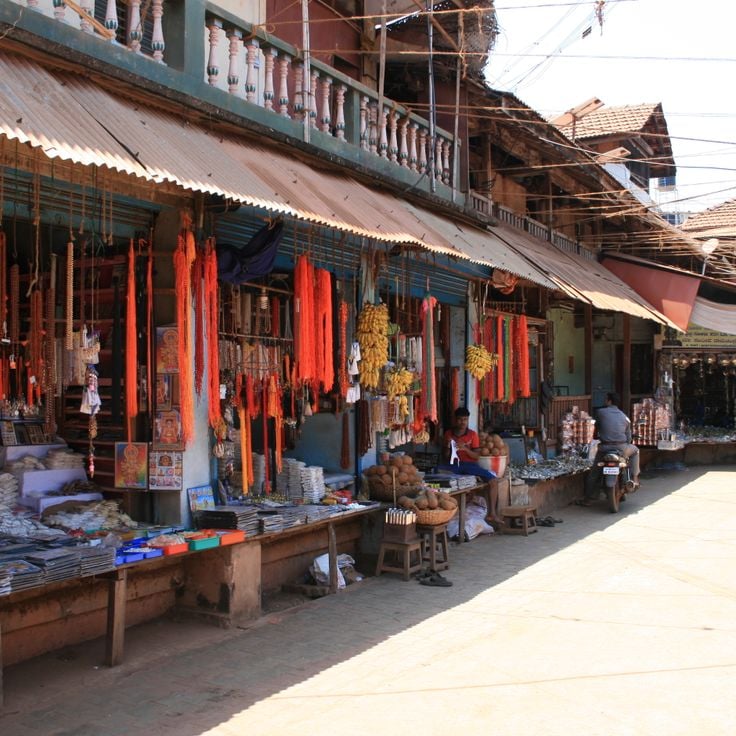
Gokarna is a coastal settlement in Karnataka where the Arabian Sea meets sandy shores and sacred Hindu temples. The town draws pilgrims who come to worship at the temples honored here. Extended beaches shape daily life, offering spaces for swimming, walking, and contemplation. Gokarna blends religious importance with the rhythm of coastal living, making it part of India's diverse spiritual and natural landscape.
Majuli Island sits in the Brahmaputra River in Assam and is home to traditional satras, religious communities that teach and practice the arts. The island has weaving centers where hand-loomed textiles are made, and rice fields that stretch to the water's edge. Majuli Island offers insight into Assam's regional culture and shows how people live and work in this river landscape.
Chembra Mountain is a 2100-meter peak in Kerala that fits into this collection of Indian natural sites and historical locations. The mountain features hiking trails that wind through tea plantations, and a heart-shaped lake sits at mid-elevation. Visitors can walk through the green slopes and take in views of the surrounding landscape.
Mawlynnong is a village included in this collection to show how regional cultures work across India. The community is led by women following a matrilineal tradition passed down through families. The streets are well-kept and natural bridges made from tree roots connect different parts of the village together.
Gurez Valley in Jammu and Kashmir represents the natural and cultural diversity featured in this collection. The valley is shaped by mountains, meadows, and the Kishanganga River flowing through it. The Dard Shin community lives here, maintaining their own distinct culture with traditional practices, language, and ways of life. Visitors can explore the mountain and river landscape while learning about the daily rhythms of this local community.
The Hoysaleswara Temple in Halebidu showcases detailed stone carvings from the 12th century, with 240 wall reliefs depicting Hindu deities. This site represents Indian historical monuments that reveal regional traditions and artistic skill, offering visitors insights into the cultural heritage of Karnataka.
Sandakphu is a mountain in West Bengal that stands at 3636 meters high. From this peak, visitors can see four of the five highest mountains in the world. The mountain sits in the Himalayan region and offers views of snow-covered summits. As part of this collection, Sandakphu shows the natural variety of India, alongside historical temples, natural areas, and traditional villages featured throughout the selection.
The Rann of Kutch is a salt desert in Gujarat that transforms into a saline marsh during monsoon season. It forms part of a collection showcasing India's diverse landscapes, from coastal beaches to Himalayan peaks, historical temples, and traditional villages across the country.
Pangong Lake is a saline lake in Ladakh that sits at 4,350 meters elevation, extending 134 kilometers between India and Tibet. This high-altitude body of water is one of the region's largest and most remote lakes, offering visitors views of the surrounding mountain ranges and stark landscapes. The lake showcases the raw beauty of Ladakh's geography and provides insight into how people and wildlife adapt to life in such extreme terrain.
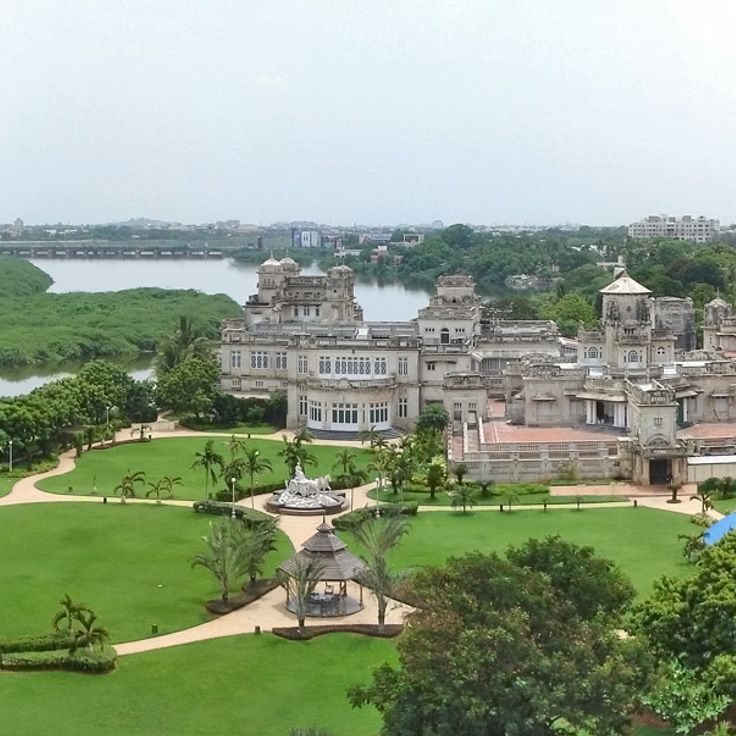
Orchha is a 16th-century city in Madhya Pradesh and fits within this collection of Indian historical monuments and natural sites. The city contains 14 royal cenotaphs and the Chaturbhuj Temple with 35-meter-high spires. Walking through Orchha offers insights into regional architecture and the heritage of this former royal settlement.
Khajjiar Lake is part of this collection of Indian locations ranging from beaches to Himalayan peaks. The lake sits at 1920 meters altitude and is surrounded by cedar trees, giving it the feel of an alpine landscape. The water mirrors the surrounding forest, and visitors can experience the quiet of mountain nature. This location shows how different regions of India offer varied landscapes and ecosystems.
These ruins show the remains of a town destroyed by a cyclone in 1964. The structures stand at the end of a peninsula between India and Sri Lanka. Dhanushkodi is part of this collection of places that reveal Indian history and landscapes, from ancient temples to Himalayan peaks.
This 19th-century church in Karnataka alternates between being submerged during monsoon season and visible during dry periods. The Underwater Church demonstrates how climate and geography shape the landscape and human structures in India's diverse regions. It offers visitors a rare view of how seasonal changes transform a historical monument.
Kanatal Mountain Village is a settlement at 2590 meters (8,500 feet) altitude in Uttarakhand and exemplifies the traditional mountain communities featured in this collection of hidden locations and natural sites across India. Nestled among pine and cedar forests, the village offers views of the Himalayan mountains. It represents how local communities have adapted to life in high-altitude regions of the Himalayas.
Nighoj Potholes are natural depressions in the Kukadi riverbed stone, shaped by water erosion over centuries. This site shows how flowing water has sculpted the rock formations across time. The potholes offer a glimpse into the geological forces that have shaped Maharashtra's landscape. As part of this collection of India's natural and historical sites, Nighoj demonstrates the power of water and time in creating distinctive landforms.
This monastery is a Buddhist structure from the 12th century, built into a cliff face in the Ladakh region. It houses around 70 monks and an ancient library filled with old texts. The monastery belongs to this collection of locations that show India's diverse spiritual and cultural traditions, from southern temples to Himalayan peaks.
Chettinad is a historical region in Tamil Nadu that shows how merchant communities lived during the 19th century. The homes here reflect the wealth and trade connections of local merchant families. The traditional food of this region uses local ingredients and cooking methods that have been passed down through generations. Local artisans continue to weave textiles by hand, keeping traditional techniques alive. The architecture of these merchant homes mixes Indian and European design elements. Walking through Chettinad gives insight into regional commerce, family life, and craft traditions.
Ziro Valley is a green valley in Arunachal Pradesh where rice paddies cover the landscape and the Apatani community has lived for generations. The valley hosts an annual music festival each September that draws visitors from across the country. This location is part of a selection of Indian sites that showcase regional cultures and traditional ways of life, alongside places like Mawlynnong village in Meghalaya and the Chettinad region in Tamil Nadu.
Gokarna is a coastal settlement in Karnataka where the Arabian Sea meets sandy shores and sacred Hindu temples. The town draws pilgrims who come to worship at the temples honored here. Extended beaches shape daily life, offering spaces for swimming, walking, and contemplation. Gokarna blends religious importance with the rhythm of coastal living, making it part of India's diverse spiritual and natural landscape.
Majuli Island sits in the Brahmaputra River in Assam and is home to traditional satras, religious communities that teach and practice the arts. The island has weaving centers where hand-loomed textiles are made, and rice fields that stretch to the water's edge. Majuli Island offers insight into Assam's regional culture and shows how people live and work in this river landscape.
Chembra Mountain is a 2100-meter peak in Kerala that fits into this collection of Indian natural sites and historical locations. The mountain features hiking trails that wind through tea plantations, and a heart-shaped lake sits at mid-elevation. Visitors can walk through the green slopes and take in views of the surrounding landscape.
Mawlynnong is a village included in this collection to show how regional cultures work across India. The community is led by women following a matrilineal tradition passed down through families. The streets are well-kept and natural bridges made from tree roots connect different parts of the village together.
Gurez Valley in Jammu and Kashmir represents the natural and cultural diversity featured in this collection. The valley is shaped by mountains, meadows, and the Kishanganga River flowing through it. The Dard Shin community lives here, maintaining their own distinct culture with traditional practices, language, and ways of life. Visitors can explore the mountain and river landscape while learning about the daily rhythms of this local community.
The Hoysaleswara Temple in Halebidu showcases detailed stone carvings from the 12th century, with 240 wall reliefs depicting Hindu deities. This site represents Indian historical monuments that reveal regional traditions and artistic skill, offering visitors insights into the cultural heritage of Karnataka.
Sandakphu is a mountain in West Bengal that stands at 3636 meters high. From this peak, visitors can see four of the five highest mountains in the world. The mountain sits in the Himalayan region and offers views of snow-covered summits. As part of this collection, Sandakphu shows the natural variety of India, alongside historical temples, natural areas, and traditional villages featured throughout the selection.
The Rann of Kutch is a salt desert in Gujarat that transforms into a saline marsh during monsoon season. It forms part of a collection showcasing India's diverse landscapes, from coastal beaches to Himalayan peaks, historical temples, and traditional villages across the country.
Pangong Lake is a saline lake in Ladakh that sits at 4,350 meters elevation, extending 134 kilometers between India and Tibet. This high-altitude body of water is one of the region's largest and most remote lakes, offering visitors views of the surrounding mountain ranges and stark landscapes. The lake showcases the raw beauty of Ladakh's geography and provides insight into how people and wildlife adapt to life in such extreme terrain.
Orchha is a 16th-century city in Madhya Pradesh and fits within this collection of Indian historical monuments and natural sites. The city contains 14 royal cenotaphs and the Chaturbhuj Temple with 35-meter-high spires. Walking through Orchha offers insights into regional architecture and the heritage of this former royal settlement.
Khajjiar Lake is part of this collection of Indian locations ranging from beaches to Himalayan peaks. The lake sits at 1920 meters altitude and is surrounded by cedar trees, giving it the feel of an alpine landscape. The water mirrors the surrounding forest, and visitors can experience the quiet of mountain nature. This location shows how different regions of India offer varied landscapes and ecosystems.
These ruins show the remains of a town destroyed by a cyclone in 1964. The structures stand at the end of a peninsula between India and Sri Lanka. Dhanushkodi is part of this collection of places that reveal Indian history and landscapes, from ancient temples to Himalayan peaks.
This 19th-century church in Karnataka alternates between being submerged during monsoon season and visible during dry periods. The Underwater Church demonstrates how climate and geography shape the landscape and human structures in India's diverse regions. It offers visitors a rare view of how seasonal changes transform a historical monument.
Kanatal Mountain Village is a settlement at 2590 meters (8,500 feet) altitude in Uttarakhand and exemplifies the traditional mountain communities featured in this collection of hidden locations and natural sites across India. Nestled among pine and cedar forests, the village offers views of the Himalayan mountains. It represents how local communities have adapted to life in high-altitude regions of the Himalayas.
Nighoj Potholes are natural depressions in the Kukadi riverbed stone, shaped by water erosion over centuries. This site shows how flowing water has sculpted the rock formations across time. The potholes offer a glimpse into the geological forces that have shaped Maharashtra's landscape. As part of this collection of India's natural and historical sites, Nighoj demonstrates the power of water and time in creating distinctive landforms.
This monastery is a Buddhist structure from the 12th century, built into a cliff face in the Ladakh region. It houses around 70 monks and an ancient library filled with old texts. The monastery belongs to this collection of locations that show India's diverse spiritual and cultural traditions, from southern temples to Himalayan peaks.
Chettinad is a historical region in Tamil Nadu that shows how merchant communities lived during the 19th century. The homes here reflect the wealth and trade connections of local merchant families. The traditional food of this region uses local ingredients and cooking methods that have been passed down through generations. Local artisans continue to weave textiles by hand, keeping traditional techniques alive. The architecture of these merchant homes mixes Indian and European design elements. Walking through Chettinad gives insight into regional commerce, family life, and craft traditions.
Ziro Valley is a green valley in Arunachal Pradesh where rice paddies cover the landscape and the Apatani community has lived for generations. The valley hosts an annual music festival each September that draws visitors from across the country. This location is part of a selection of Indian sites that showcase regional cultures and traditional ways of life, alongside places like Mawlynnong village in Meghalaya and the Chettinad region in Tamil Nadu.
Gokarna is a coastal settlement in Karnataka where the Arabian Sea meets sandy shores and sacred Hindu temples. The town draws pilgrims who come to worship at the temples honored here. Extended beaches shape daily life, offering spaces for swimming, walking, and contemplation. Gokarna blends religious importance with the rhythm of coastal living, making it part of India's diverse spiritual and natural landscape.
Majuli Island sits in the Brahmaputra River in Assam and is home to traditional satras, religious communities that teach and practice the arts. The island has weaving centers where hand-loomed textiles are made, and rice fields that stretch to the water's edge. Majuli Island offers insight into Assam's regional culture and shows how people live and work in this river landscape.