Indian Wild Ass Sanctuary, Wildlife sanctuary in Kutch district, India.
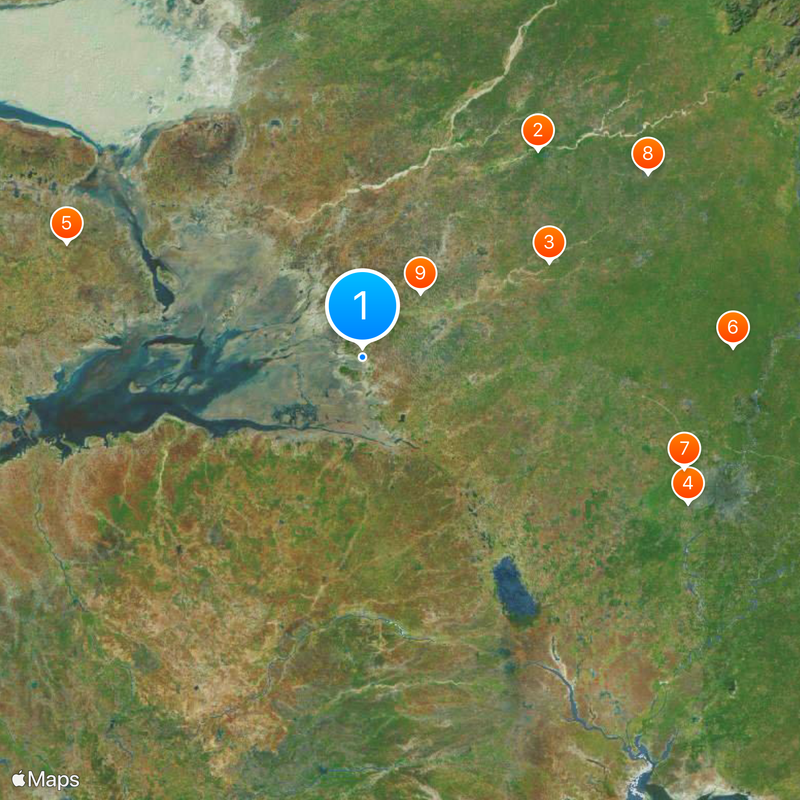
The Indian Wild Ass Sanctuary is a wildlife refuge in Kutch district, India, covering wide grasslands and low scrub vegetation. The flat topography is crossed by seasonal salt flats that flood partly during monsoon months and then turn into dry white expanses.
The refuge was created in 1972 in response to the sharp decline of wild asses, whose numbers had dropped to a few hundred animals in the 1960s. Through protection measures and cooperation with local communities, the population slowly recovered in the following decades.
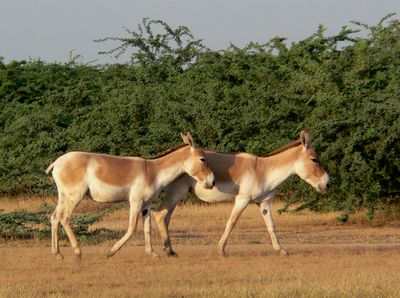
The name Ghudkhur comes from Gujarati and means horse with donkey ears, referring to the long ears and sturdy build of these animals. Villages around the edges of the refuge raise livestock and have shared grazing lands with the wild herds for generations, both adapted to the salty soil and dry climate.
A visit works best between October and March when temperatures are more bearable and waterholes draw the animals closer. Guided tours usually start early in the morning or late afternoon to observe herd movements during more comfortable heat.
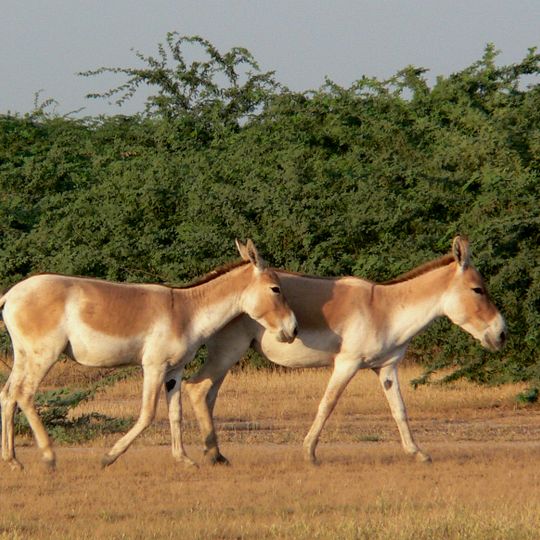
The asses move often in small groups across the open terrain and can reach speeds up to 70 kilometers per hour (43 miles per hour) when they feel threatened. Their light brown coat with a dark stripe down the back makes them easy to spot in the dusty landscape, especially when silhouetted against the horizon.
The community of curious travelers
AroundUs brings together thousands of curated places, local tips, and hidden gems, enriched daily by 60,000 contributors worldwide.