See the monuments around you in AROpen chests in the app
Around Us is built for your phone — point your camera at the streets and discover the monuments and places around you in augmented reality.Around Us is built for your phone — chests unlock when you walk, explore and capture nearby places.
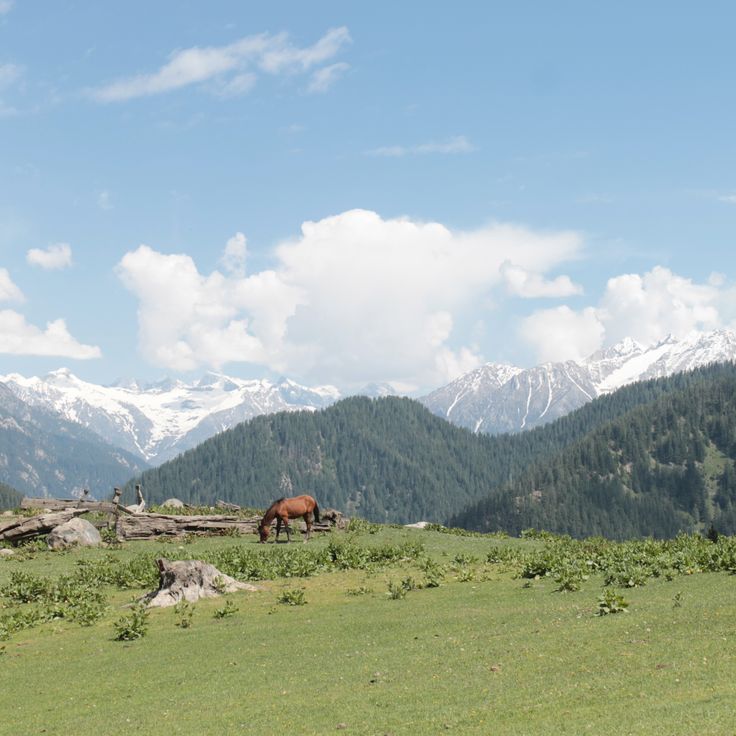
Pakistan offers photographers diverse subjects: mountain ranges above 13000 feet (4000 meters), Islamic architecture, desert landscapes and modern city views. The Faisal Mosque in Islamabad ranks among the largest mosques globally and displays contemporary design with white marble walls and four slender minarets. In Lahore, the Badshahi Mosque and Lahore Fort document Mughal architecture from the 16th and 17th centuries, while Wazir Khan Mosque is known for its tile work. The northern areas present alpine settings: Attabad Lake formed in 2010 from a landslide and sits between steep mountains, the Passu Cones rise as jagged peaks above Hunza Valley, and Fairy Meadows offers views of Nanga Parbat, the ninth highest mountain on Earth. Khunjerab Pass marks one of the highest border crossings in the world at 15400 feet (4693 meters) on the Pakistan-China frontier.
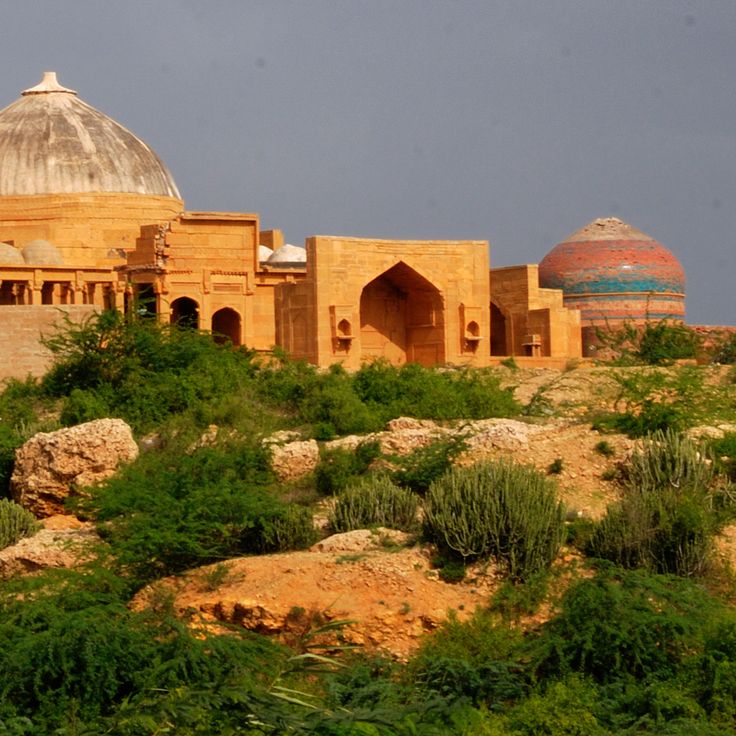
The collection also includes historic fortifications and cultural sites. Rohtas Fort from the 16th century extends over 2.5 miles (4 kilometers) of walls, Derawar Fort shows 40 bastions in the Cholistan Desert, and Ranikot Fort stands as one of South Asia's largest fortifications. The Makli Necropolis near Thatta contains tombs and mausoleums spanning six centuries. In Karachi, Mohatta Palace and Frere Hall document colonial architecture, while Mazar-e-Quaid serves as the mausoleum of founder Muhammad Ali Jinnah. Natural areas like Deosai National Park above 13000 feet (4000 meters) and the juniper forest of Ziarat complete the photographic range.
Pakistan offers photographers diverse subjects: mountain ranges above 13000 feet (4000 meters), Islamic architecture, desert landscapes and modern city views. The Faisal Mosque in Islamabad ranks among the largest mosques globally and displays contemporary design with white marble walls and four slender minarets. In Lahore, the Badshahi Mosque and Lahore Fort document Mughal architecture from the 16th and 17th centuries, while Wazir Khan Mosque is known for its tile work. The northern areas present alpine settings: Attabad Lake formed in 2010 from a landslide and sits between steep mountains, the Passu Cones rise as jagged peaks above Hunza Valley, and Fairy Meadows offers views of Nanga Parbat, the ninth highest mountain on Earth. Khunjerab Pass marks one of the highest border crossings in the world at 15400 feet (4693 meters) on the Pakistan-China frontier.
The collection also includes historic fortifications and cultural sites. Rohtas Fort from the 16th century extends over 2.5 miles (4 kilometers) of walls, Derawar Fort shows 40 bastions in the Cholistan Desert, and Ranikot Fort stands as one of South Asia's largest fortifications. The Makli Necropolis near Thatta contains tombs and mausoleums spanning six centuries. In Karachi, Mohatta Palace and Frere Hall document colonial architecture, while Mazar-e-Quaid serves as the mausoleum of founder Muhammad Ali Jinnah. Natural areas like Deosai National Park above 13000 feet (4000 meters) and the juniper forest of Ziarat complete the photographic range.
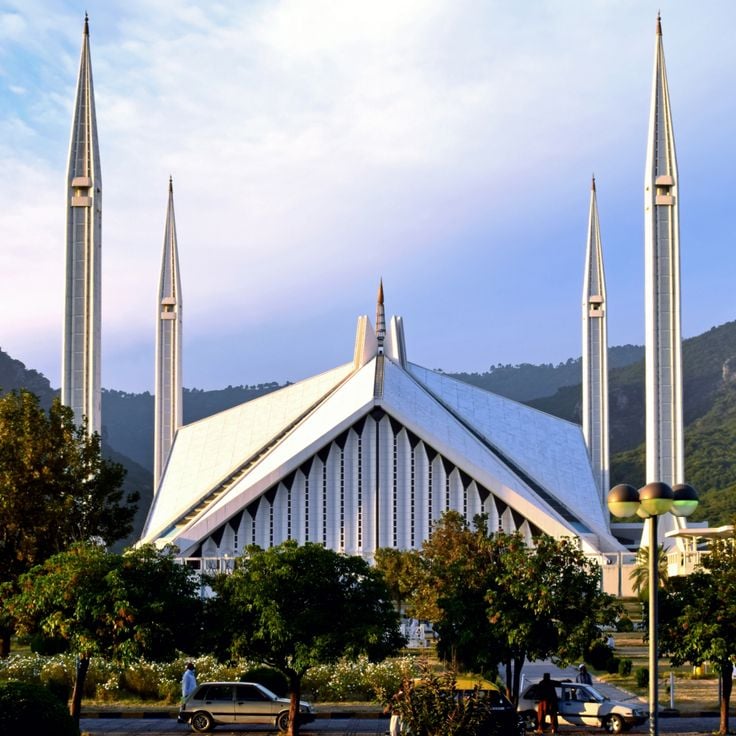
This mosque offers photographers a notable example of contemporary Islamic architecture set against the backdrop of the Margalla Hills, which rise over 3,300 feet (1,000 meters). The distinctive tent-shaped design with four slender minarets was completed in 1986 and draws visitors from around the world. The structure combines modern construction techniques with traditional Islamic elements, representing Pakistan's position as an Islamic nation. The prayer hall accommodates 10,000 worshippers, while the courtyard holds space for 24,000 more. Photographers find subjects ranging from architectural details to panoramic views with the mountain backdrop, particularly during sunrise and sunset hours.
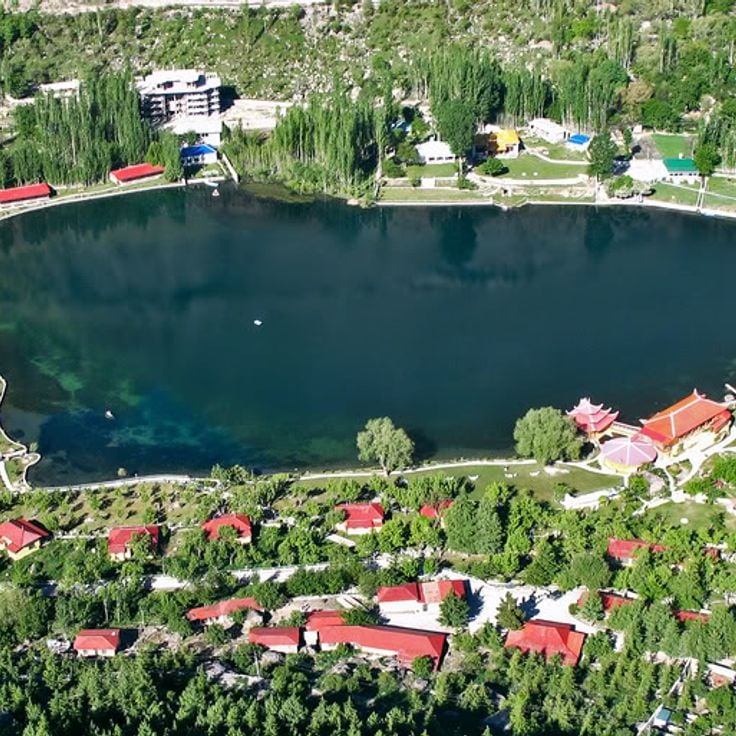
This resort in Skardu sits beside Lower Kachura Lake at 8200 feet (2500 meters) elevation. The property displays traditional Balti architecture with timber construction and provides photographers a view of surrounding mountains reflected in still water. Gardens with fruit trees and pavilions built in Chinese style create changing perspectives for landscape photography in the Karakoram range.
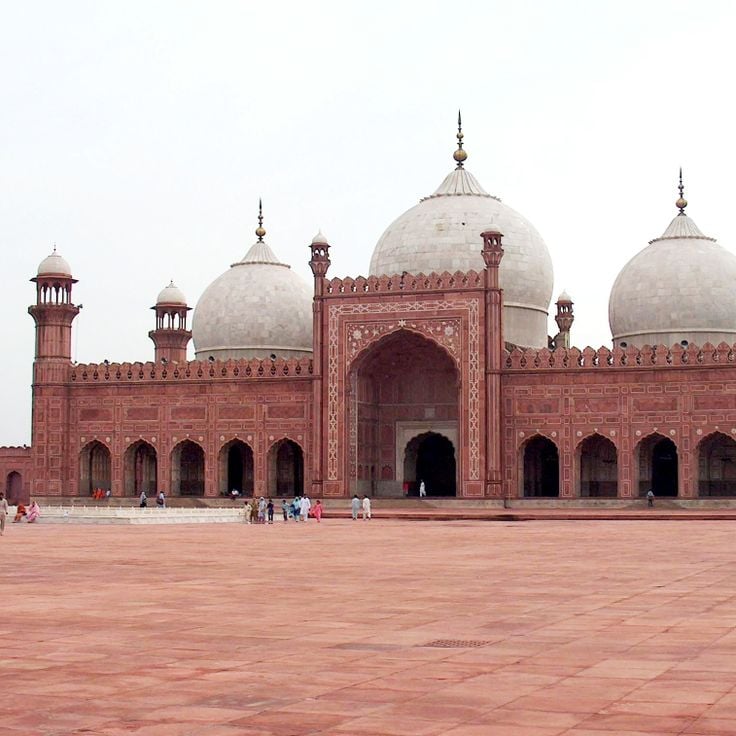
This mosque was completed in 1673 during the reign of Aurangzeb and demonstrates Mughal-era architecture for photographers with red sandstone construction and white marble domes. The courtyard measures 530 by 530 feet (160 by 160 meters) and provides views of minarets rising 180 feet (55 meters), plus sightlines across Hazuri Bagh garden to Lahore Fort. The red-brown masonry offers contrasts under varying daylight conditions, while the prayer hall shows details such as stucco work and calligraphy typical of Islamic religious buildings in Pakistan.
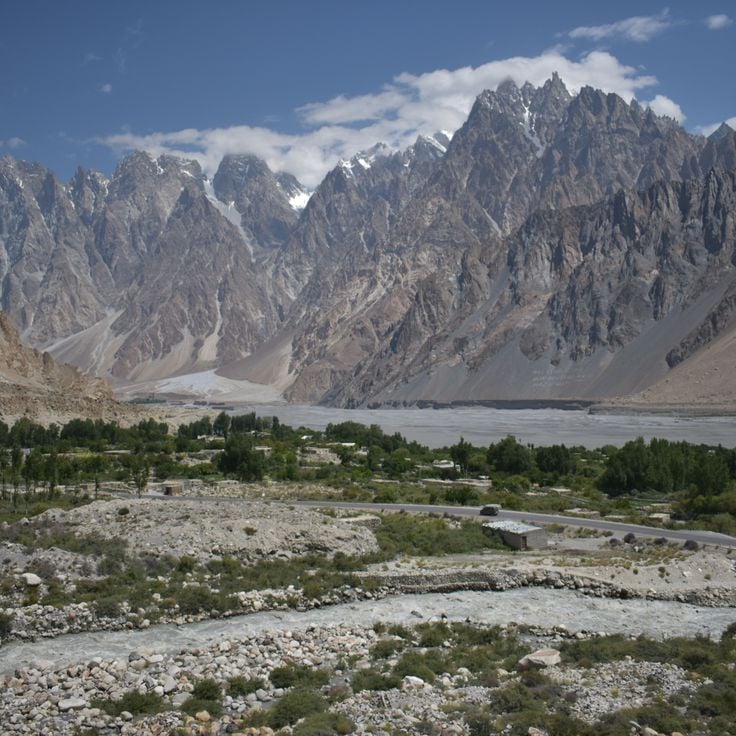
These jagged rock formations rise from the Hunza Valley and provide a natural backdrop for photographers documenting Pakistan's mountain landscapes. The Passu Cones consist of steep granite peaks shaped by erosion over thousands of years, extending from the valley floor to heights exceeding 18000 feet (5500 meters). The formation sits directly beside the Karakoram Highway and offers changing light conditions throughout the day, with morning and evening hours creating particularly favorable shooting conditions.
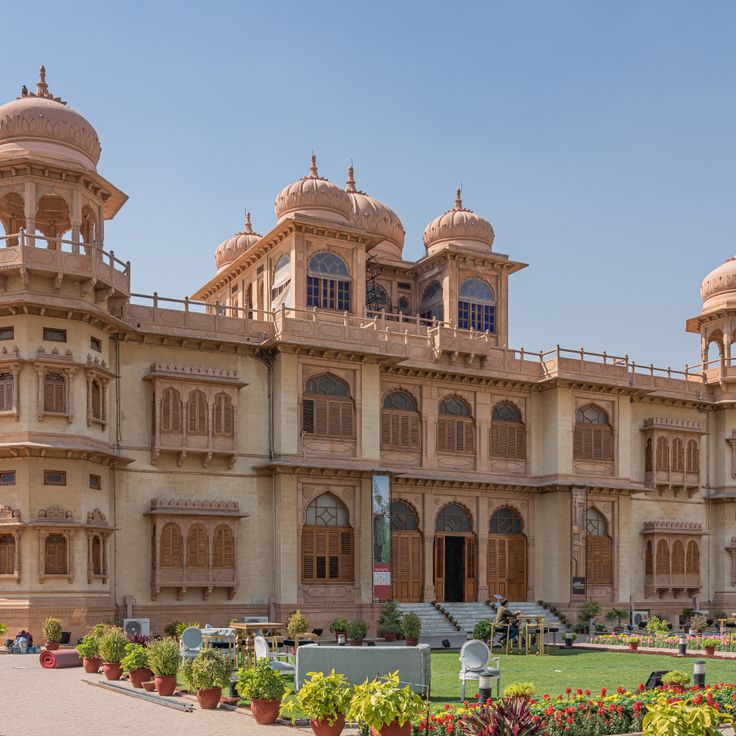
This palace combines Hindu and Islamic architectural elements in a pink sandstone building from the 1920s. The rooms of Mohatta Palace feature balconies with stone carvings, arched corridors and domes characteristic of the region. Now operating as a museum, it hosts art exhibitions and cultural events. Photographers find subjects in geometric patterns, light and shadow effects on the facades and details of the interior courtyards. Located in the Clifton neighborhood, the palace documents the architectural style of late British colonial period in Karachi.
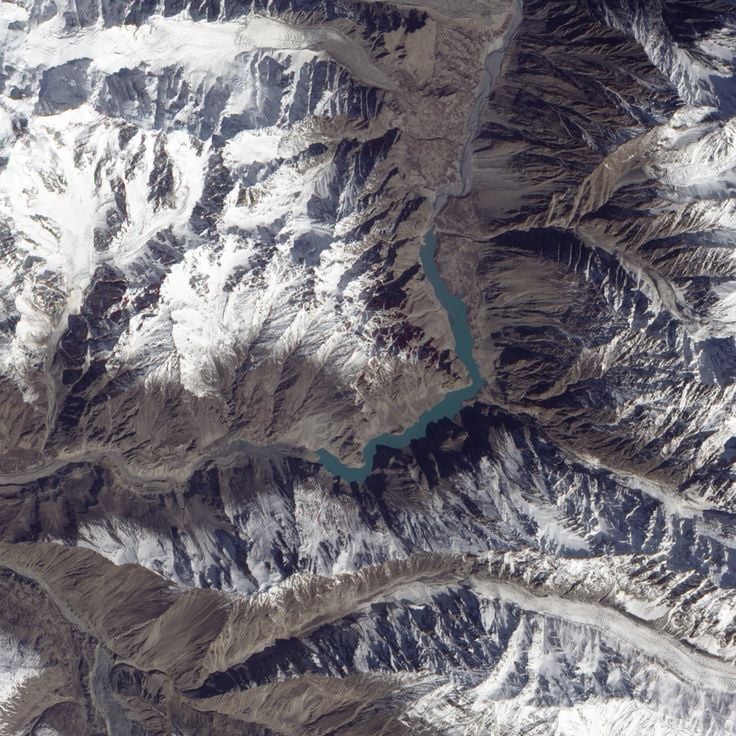
This turquoise lake formed in 2010 when a landslide blocked the valley, submerging several villages beneath the water. The lake sits at roughly 7,900 feet (2,400 meters) and stretches about 13 miles (21 kilometers) through the mountains of Hunza Valley. Photographers find subjects in the intensely colored water, the surrounding rock walls and the boat rides that locals and visitors take across the lake.
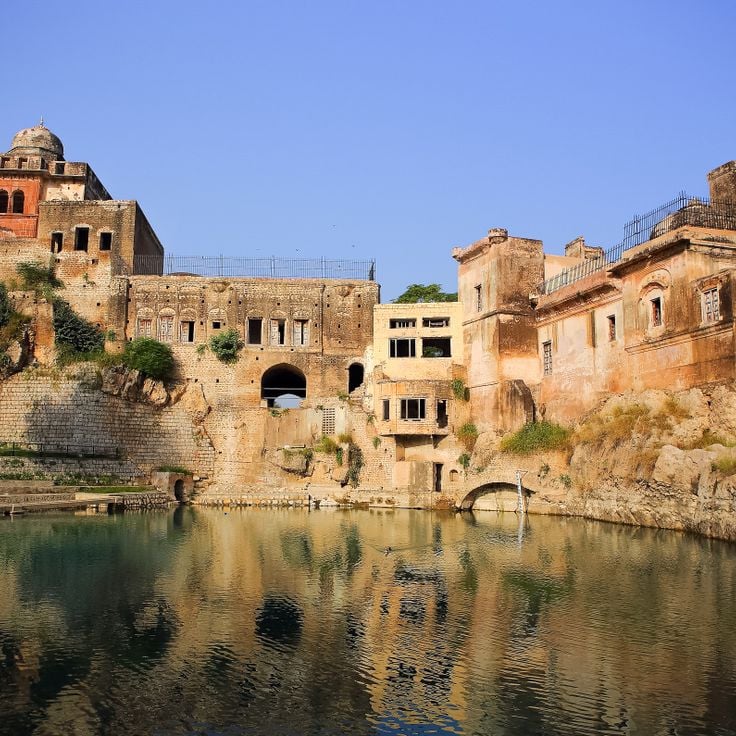
Katas Raj Temples is a complex of several Hindu temples arranged around a sacred pond in Chakwal, offering photographers insight into Pakistan's religious architecture. The site combines spiritual significance with historical structures that reflect in the still water, creating compositions of sandstone, domes and natural greenery. This location documents the region's Hindu past through preserved structures from various centuries, spanning from the Mughal period to British colonial times.
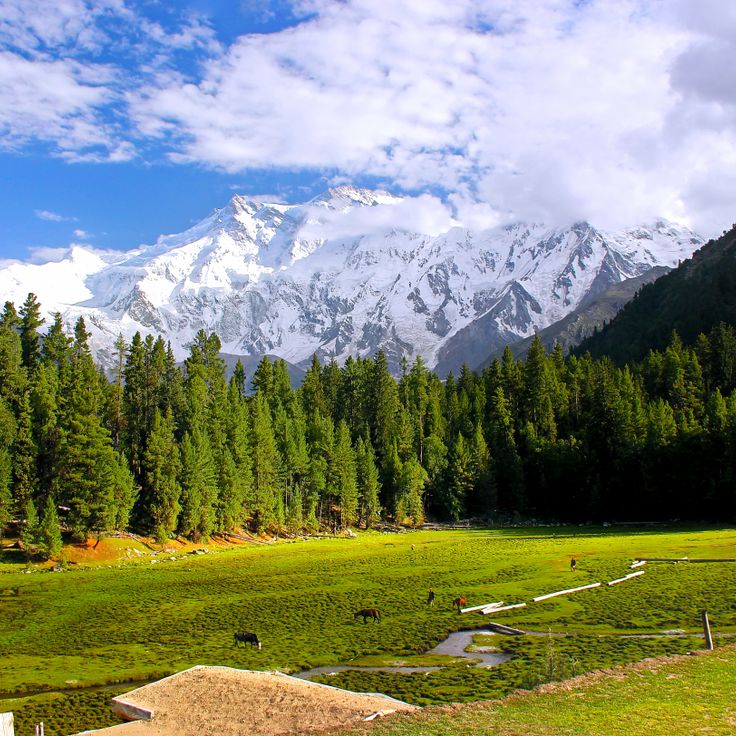
Fairy Meadows sits at the base of Nanga Parbat at roughly 10,800 feet (3,300 meters) and provides photographers with clear sightlines to the world's ninth tallest mountain. This alpine meadow requires travel along a steep mountain road followed by a multi-hour hike on foot. From these grasslands, visitors photograph the 26,660-foot (8,126-meter) summit at close range, with morning light illuminating the north face most effectively. The location allows shots of alpine vegetation in the foreground against the massive mountain wall behind.
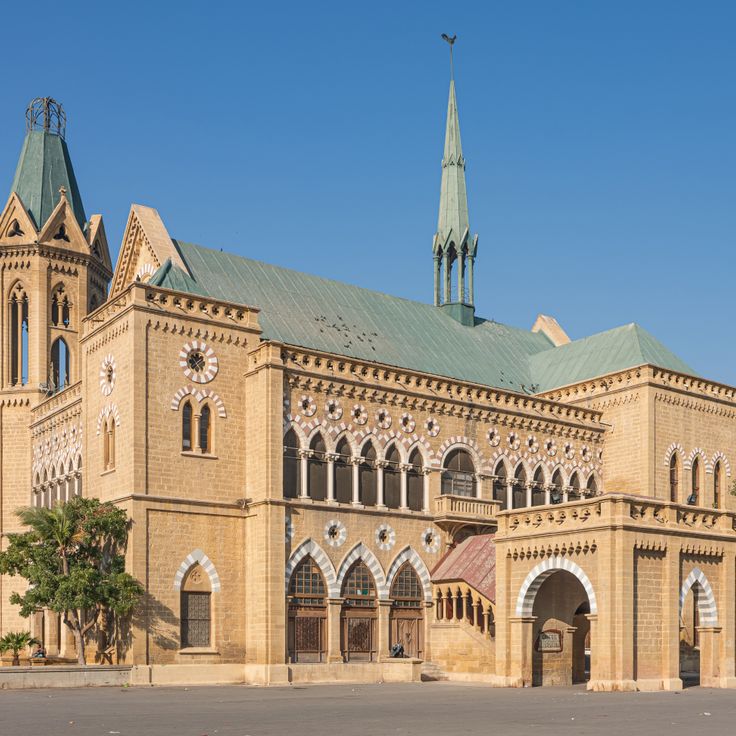
This nineteenth-century hall serves as a library and art gallery and stands as an example of Victorian architecture in Karachi. Frere Hall offers photographers colonial design elements, symmetrical facades and period details for documentation. The structure blends European building styles with the urban environment of Pakistan and reflects the architectural influence of the colonial era. The building sits within a garden area that provides additional perspectives for photography.
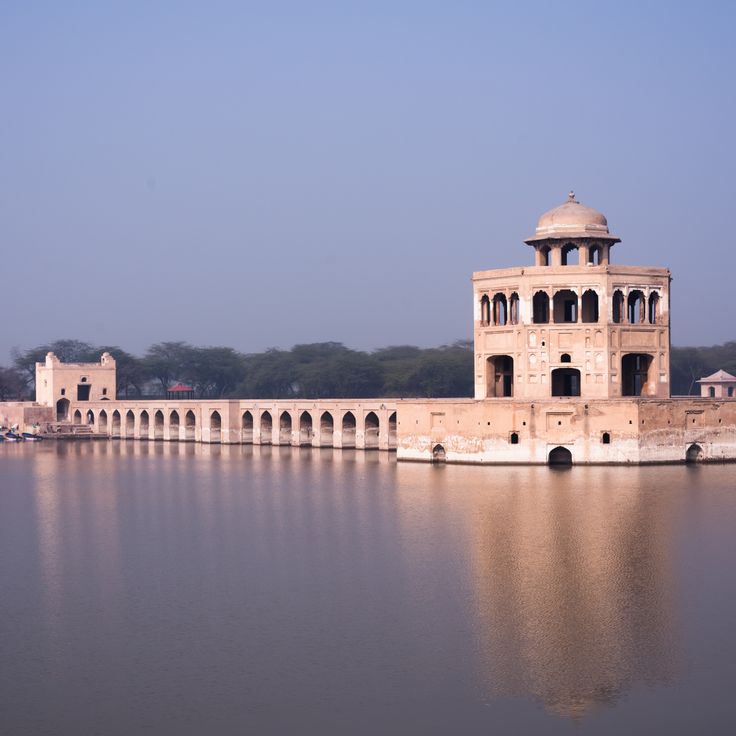
This early modern-era complex in Sheikhupura was built in the early 17th century during the reign of Emperor Jahangir as a hunting reserve. Hiran Minar consists of a 100-foot (30-meter) tall stone tower with protruding stone blocks, a rectangular water tank measuring roughly 900 by 800 feet (274 by 244 meters), and several pavilions. The tower marks the grave of a royal antelope, an uncommon dedication for the Mughal period. Photographers find subjects throughout the grounds: the geometric layout of the water surface, reflections during calm conditions, and details of the Indo-Islamic construction.
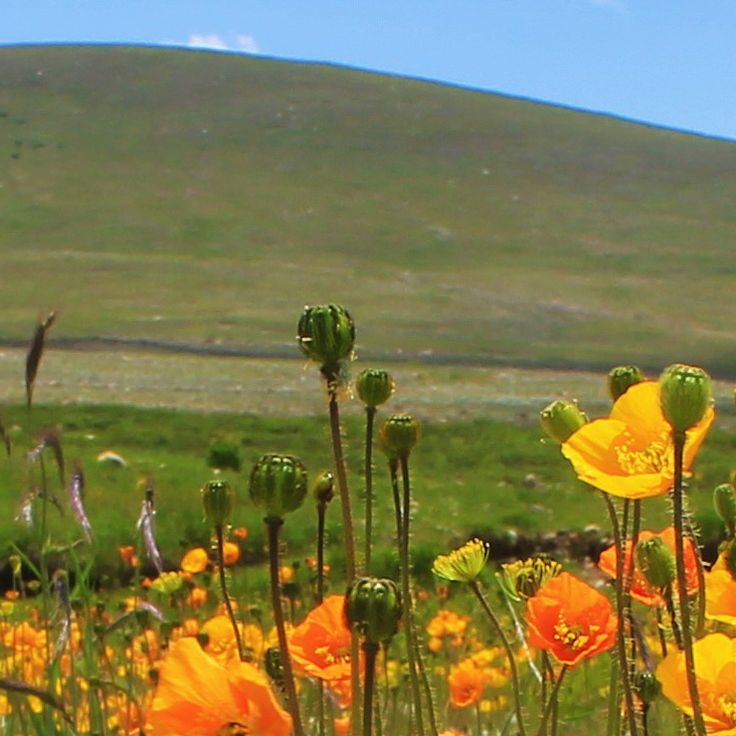
This national park covers a high plateau averaging 13,500 feet (4,114 m) and offers photographers wide-angle subjects including wildflowers, brown bears and mountain ranges. The Deosai Plains display extensive alpine meadows during summer months, suitable for landscape photography. The park sits between Skardu and Astore, providing access to wildlife and geological formations in this high-altitude region of Pakistan.
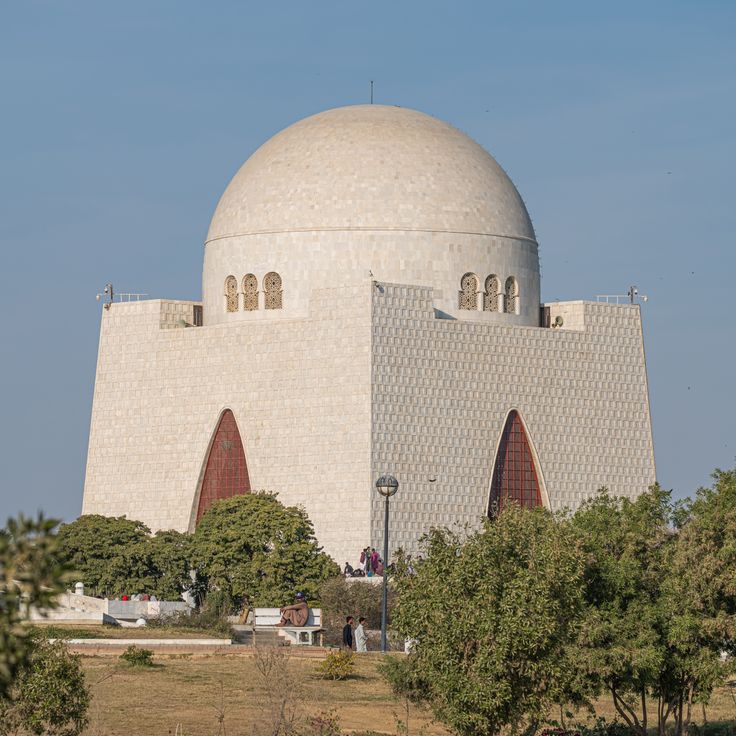
The Mazar-e-Quaid serves as the final resting place of Muhammad Ali Jinnah, founder of Pakistan, and offers photographers a study in modern Islamic architecture. This white marble structure rises on an elevated platform in central Karachi, combining geometric design with traditional Islamic elements that photograph well in natural daylight and provide clear views of the city's skyline from its surrounding gardens.
This restored historical village showcases traditional Pakistani culture and craftsmanship in the Margalla Hills above Islamabad. Saidpur Village combines stone architecture from the Mughal era with modern galleries and craft workshops, where photographers can document the mix of preserved residences, art installations and mountain backdrop. The village offers insight into local traditions while serving as a cultural center with restaurants and exhibition spaces.
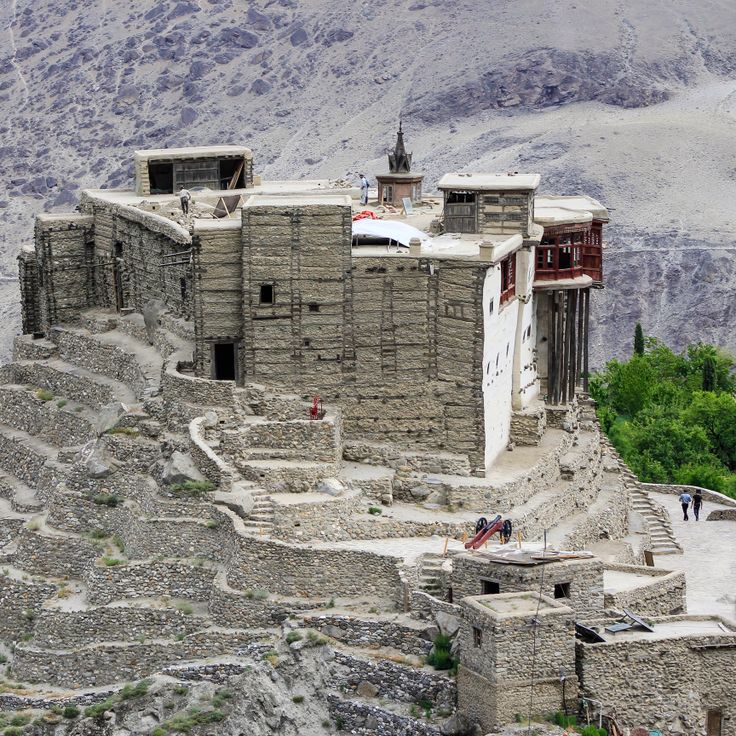
This 14th-century fort stands above the Hunza Valley and documents the region's architectural evolution across seven centuries. Baltit Fort combines Tibetan and Kashmiri building elements, offering photographers angles on the surrounding mountain ranges and traditional timber construction details inside. The restored rooms display hand-carved ornamentation and balconies that overlook Karimabad and the valley below.
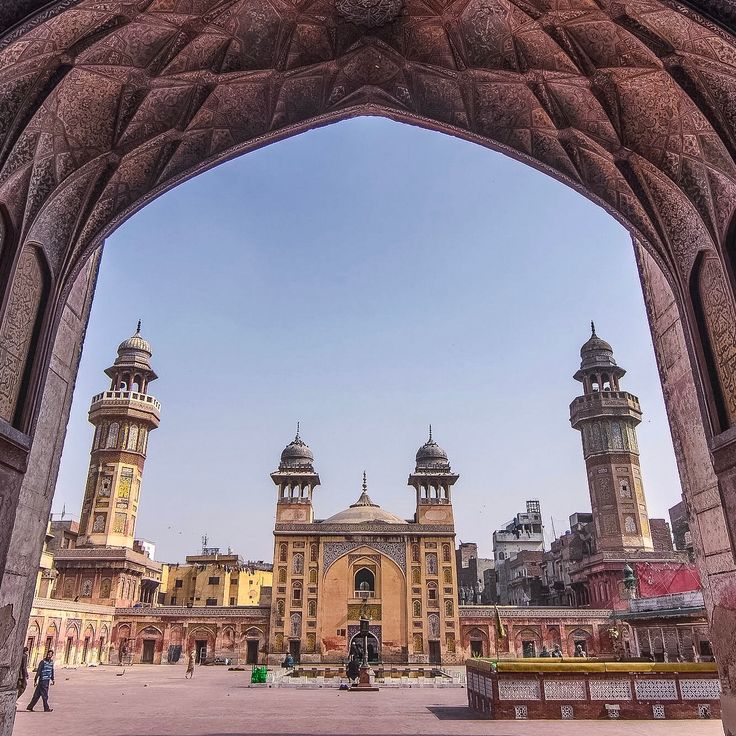
This mosque in Lahore ranks among Pakistan's most significant examples of Indo-Islamic architecture and offers photographers opportunities to capture its detailed frescoes and elaborate tilework. The courtyards and prayer halls display geometric patterns and calligraphic compositions preserved over several centuries. The 17th-century structure combines Persian, Central Asian and Indian design elements in its architectural execution.
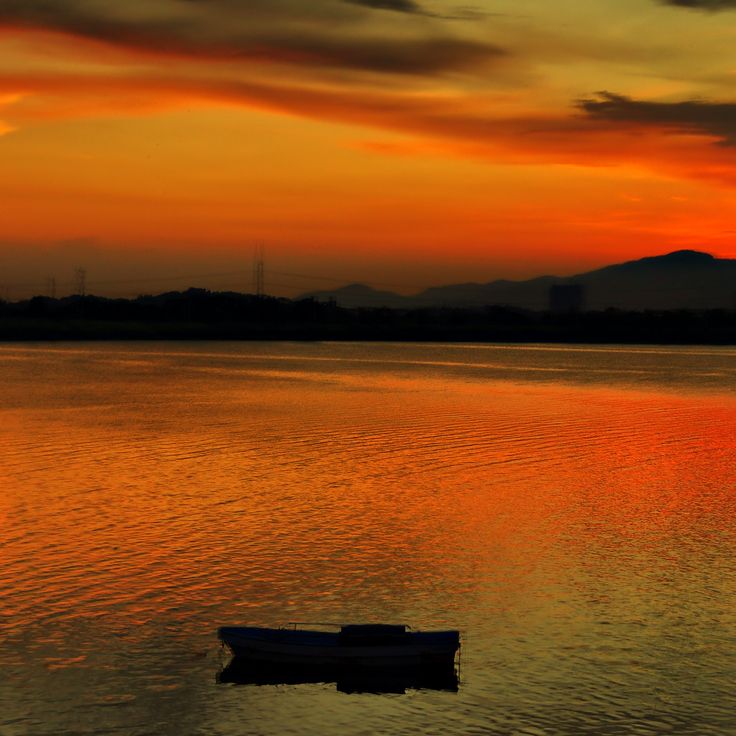
This artificial reservoir north of Islamabad provides photographers with calm water surfaces reflecting the surrounding Margalla Hills. Rawal Lake was created in the 1960s to supply drinking water to the capital, and its shores attract day visitors. Morning hours offer soft light for landscape compositions, while weekends provide opportunities for documentary images of local families picnicking. The southern shore permits compositions with the lake in the foreground and forested hills behind.
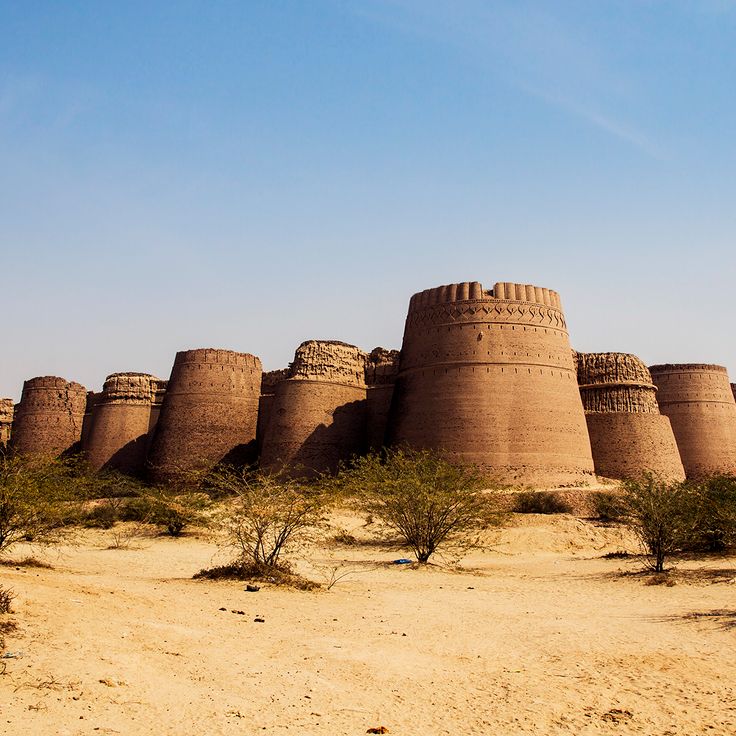
This fort rises 130 feet (40 meters) from the Cholistan Desert sands, offering photographers an opportunity to capture Islamic military architecture dating to the 9th century against a stark desert backdrop. Derawar Fort displays 40 bastions along its outer walls that create varying textures and shadows under changing daylight. The square structure is best photographed during cooler morning hours or at sunset, when light emphasizes the brick walls.
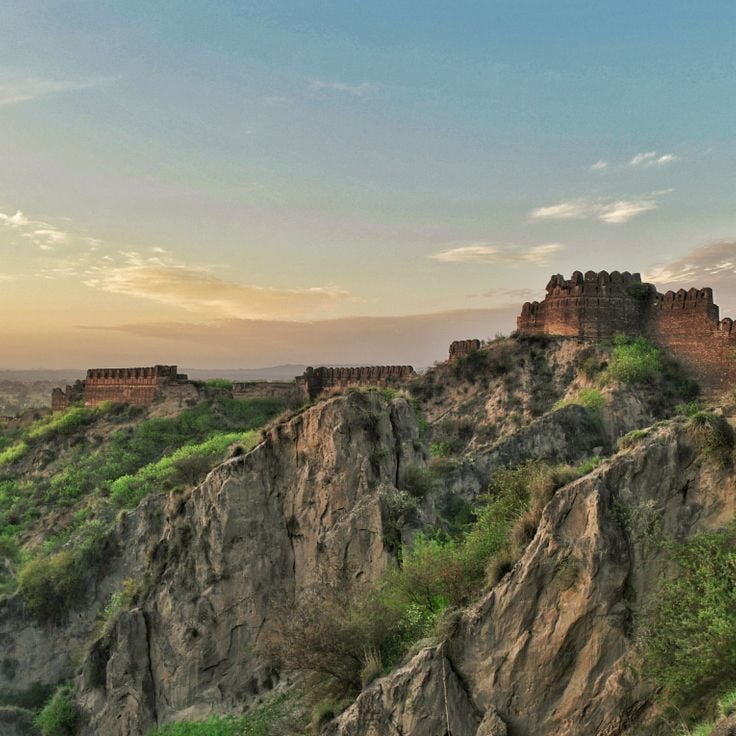
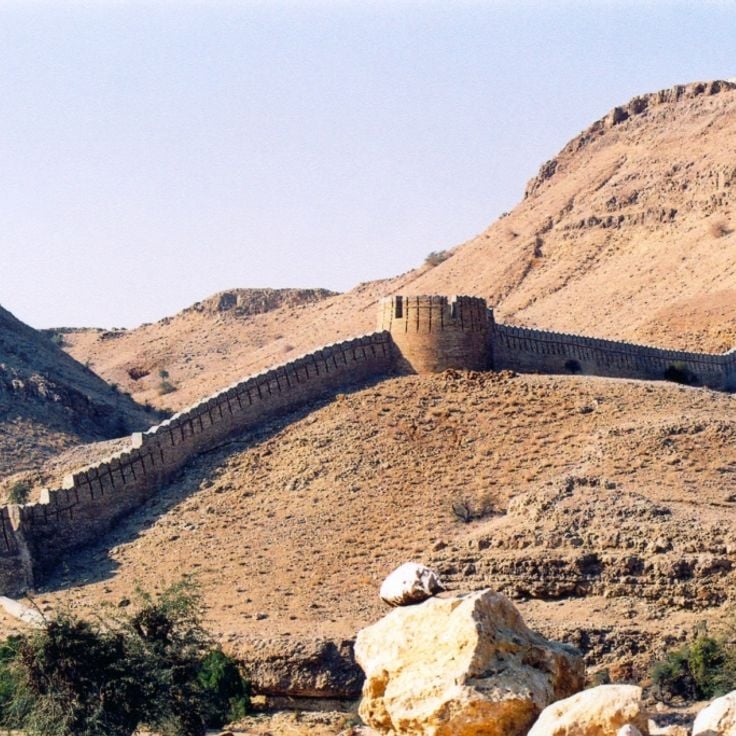
This 16th-century fortress combines building styles from Turkey and the Indian subcontinent and offers photographers opportunities to document massive stone walls, arched gates and defensive structures. Rohtas Fort was built by Sher Shah Suri and displays Islamic military architecture in a landscape of hills and open plains near Jhelum.
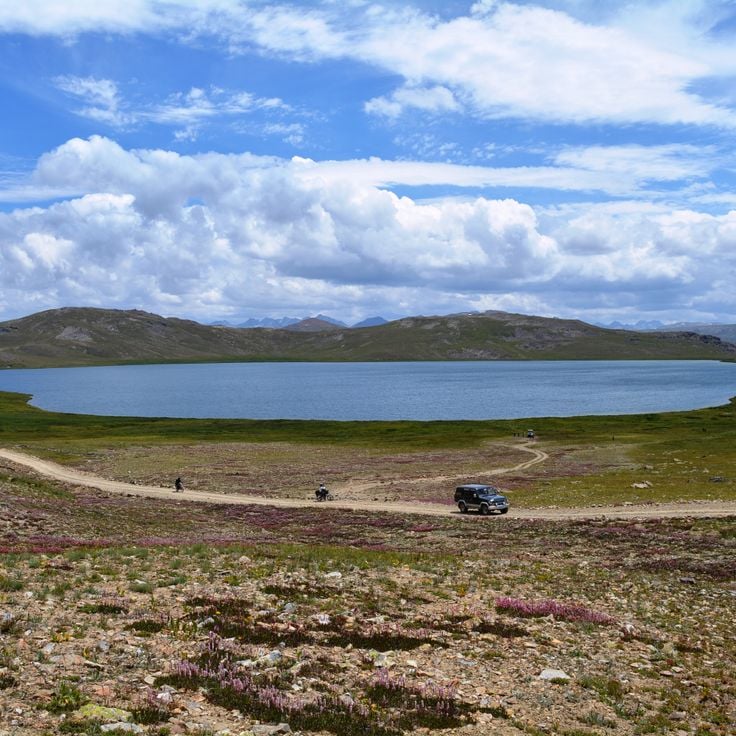
This high-altitude lake sits in Deosai National Park above 13000 feet (4000 meters) and provides photographers with calm waters framed by wildflower meadows and the surrounding peaks of the Karakoram. The clear reflections and summer vegetation make Sheosar Lake a notable subject in one of Pakistan's highest plateau regions.
This fort in Sindh extends over a perimeter of approximately 16 miles (26 kilometers) and ranks as the largest in the world. The 17th-century defensive complex sits at the edge of the Kirthar Range and offers photographers subjects of monumental walls, gates and bastions set against barren mountain slopes. Ranikot Fort combines military architecture with the expanse of surrounding semi-desert terrain and demonstrates the strategic importance of this region in Pakistan's history.
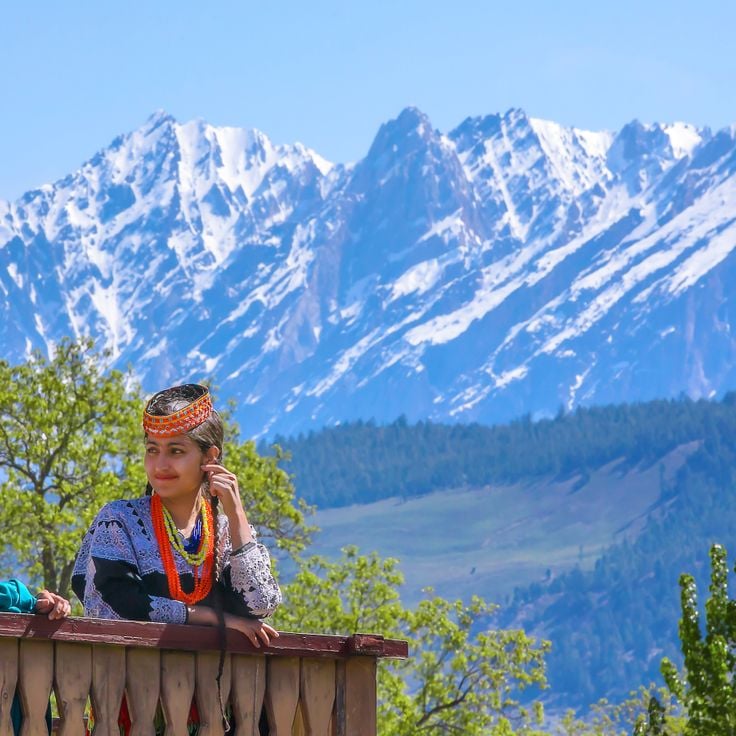
These valleys in the Chitral highlands sit at around 6000 feet (1800 meters) and are home to the Kalash people, a religious minority who maintain distinct cultural practices. The area offers photographers subjects including timber houses with flat roofs, terraced fields on steep slopes and festival ceremonies featuring traditional dress, dance and music. Visitors reach the remote settlements via unpaved mountain roads that become difficult during rain. The three main valleys of Bumburet, Rumbur and Birir lie between high mountain ridges and display ways of life that differ from the surrounding region.
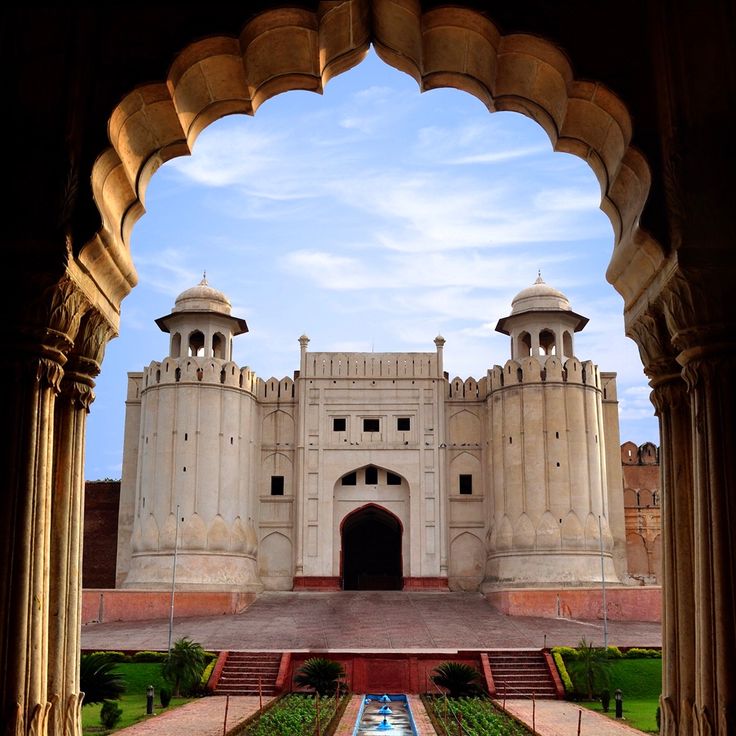
This fortress offers photographers documentation of power transitions from Mughal emperors through Sikh rulers to British colonial administration. The structures within the walls display marble domes, mirror work and Islamic geometry, combined with later additions in European styles. The Sheesh Mahal, the mirror palace, uses thousands of glass fragments for light reflection. Photographers find subjects in the courtyards, balconies and gardens that document cultural change across four centuries.
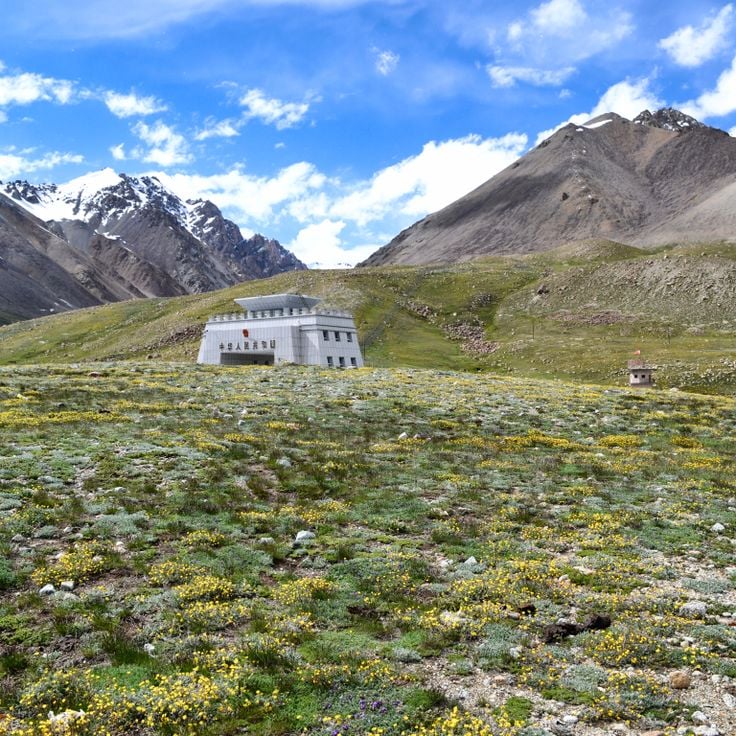
This mountain pass reaches 15,397 feet (4,693 meters) in elevation and marks the border between Pakistan and China on the Karakoram Highway. Khunjerab Pass stands as one of the highest paved border crossings in the world, offering photographers expansive views of snow-capped peaks, dramatic rock formations and the winding road that snakes through the high mountains. The barren landscape displays various geological layers and glacial traces, while thin air and changing light create particular challenges for capturing this high-altitude environment.
This historic burial ground in Pakistan covers 10 square kilometers (4 square miles) and contains over 500,000 tombs dating from the 14th to 18th centuries, providing photographers with extensive examples of Islamic architecture and historic structures.
This museum displays archaeological finds from the Buddhist era of the Gandhara kingdom, including statues and reliefs dating from the second to fifth centuries. The collection documents the artistic development of the region during the Kushan dynasty, with gray schist sculptures and stucco works. For photographers, the museum offers insights into the historical importance of Swat as a cultural center along the Silk Road, with objects showing Buddhist iconography and Hellenistic influences in Gandharan Buddhist art.
Gorakh Hill Station sits at 5,689 feet (1,734 meters) and delivers moderate summer temperatures along with winter snowfall. This mountain station documents the climatic contrast between highland elevations and surrounding lowlands of Pakistan. Photographers find subjects including mountain panoramas, snow formations and the sparse vegetation of this elevation.
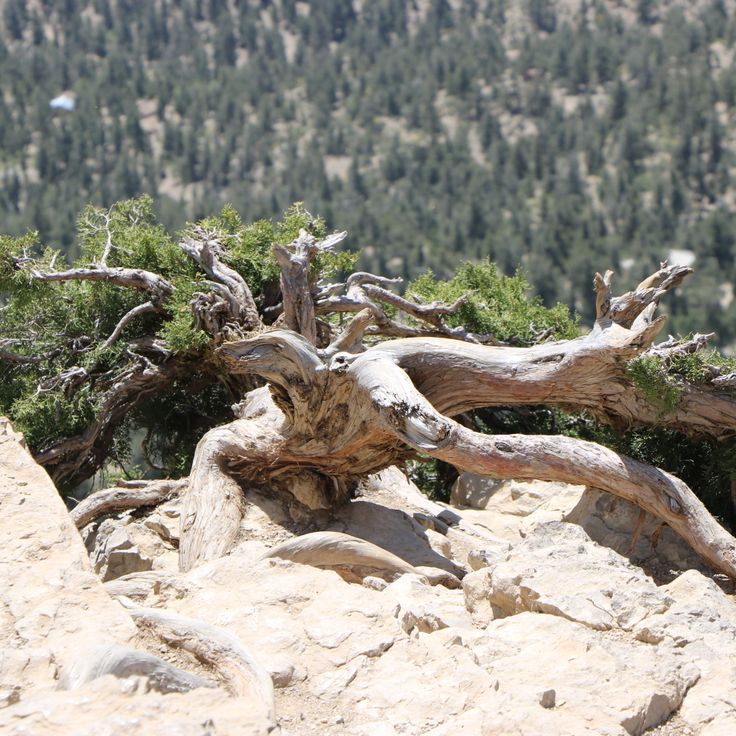
This forest extends across 110,000 hectares (272,000 acres) and provides photographers with access to ancient juniper trees, some estimated to be 5000 to 7000 years old. The Ziarat Juniper Forest sits at higher elevations in Ziarat, presenting landscapes of gnarled trunks and dense juniper growth known for its resilience in harsh climates. The trees stand scattered across slopes, creating compositions of natural forms and textures that shift with different times of day.
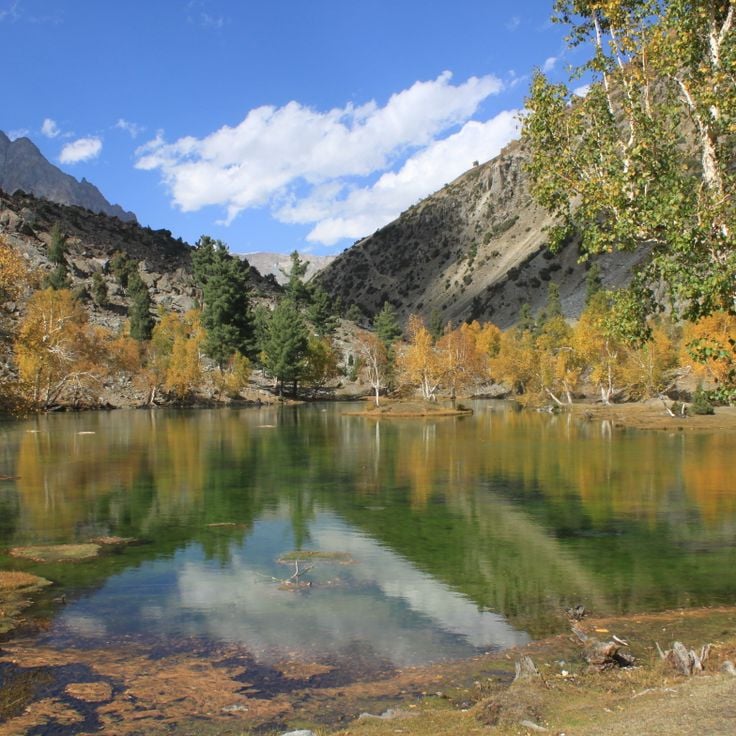
This valley sits at 10,000 feet (3,000 meters) altitude and holds three lakes with different colors: green, blue and turquoise. Naltar Valley offers photographers mountain panoramas and lake scenery typical of northern Pakistan's mountain regions. The lakes form from glacial meltwater and shift their colors depending on light conditions and season.
This alpine meadow in Kumrat Valley sits above 10,000 feet (3,050 m) and offers photographers compositions with grassland, conifer forests and mountain peaks. Jahaz Banda is accessible from May through September, when snow patches cover the surrounding ridges and glacial streams run through the valley. The meadow extends several hundred yards and forms a contrast with the dark spruce forests on the slopes and rock faces above.
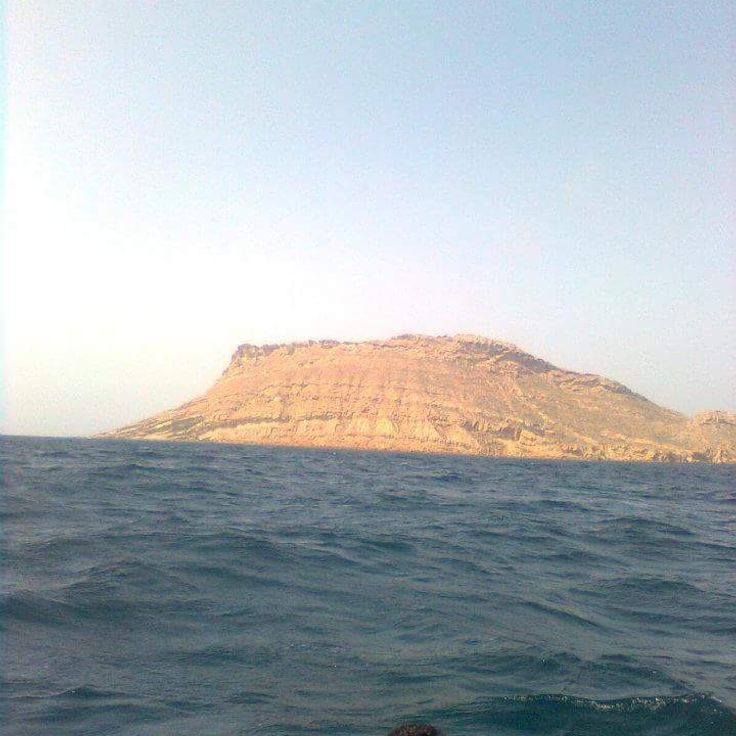
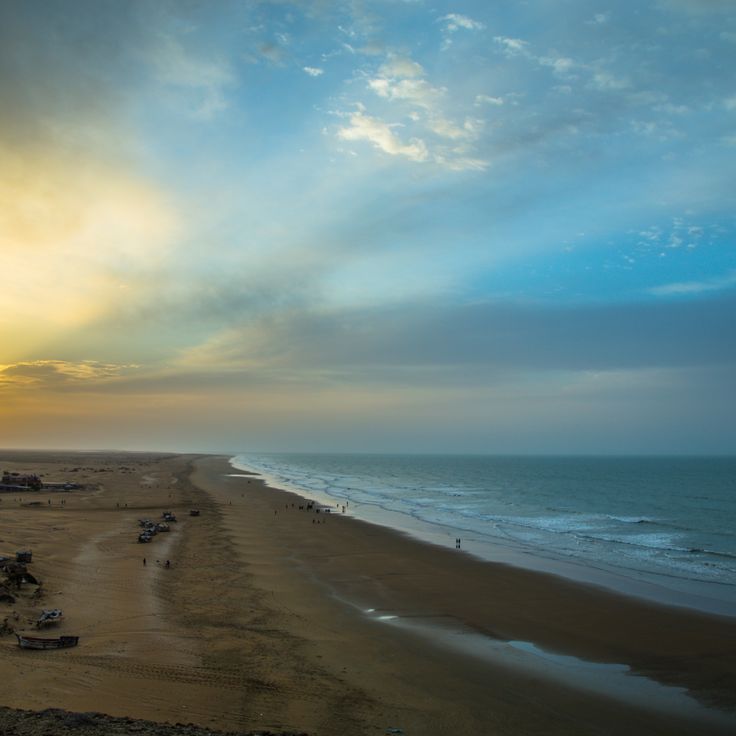
This beach in Hingol National Park combines clear water with adjacent desert formations. Kund Malir Beach sits roughly 150 miles west of Karachi and offers photographers the contrast between coastline and arid hills. The road connects Karachi to the Makran coast and passes directly by the beach, where sand dunes reach down to the sea.
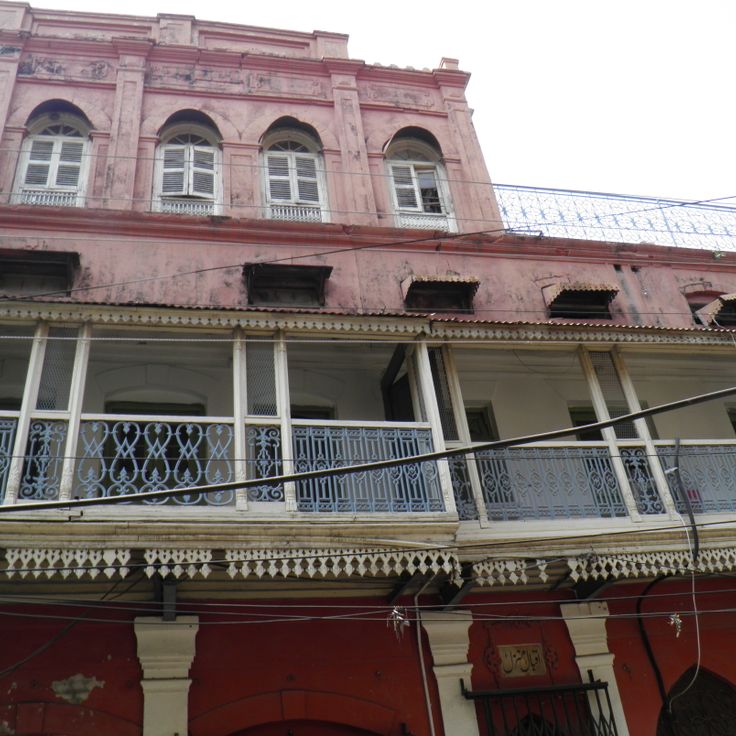
Iqbal Manzil was converted from the birthplace of Dr. Allama Muhammad Iqbal into a library and museum. The collection documents the life and work of the philosopher and poet who contributed substantially to Pakistan's creation. Photographers find original manuscripts, personal belongings and historical documents that provide insight into the intellectual movement of the early 20th century, while the building showcases traditional Punjabi residential architecture with courtyards and wooden details.
Churna Island lies about 4 miles west of Karachi and ranks among the few sites in Pakistan where recreational divers and snorkelers find coral reefs at shallow depths. This uninhabited island gives photographers the chance to capture underwater images in clear water and document maritime landscapes with rocky shoreline sections. The setting works well for wide-angle shots of boat excursions and records of water sports activity along the Pakistani coast.
This mosque offers photographers a notable example of contemporary Islamic architecture set against the backdrop of the Margalla Hills, which rise over 3,300 feet (1,000 meters). The distinctive tent-shaped design with four slender minarets was completed in 1986 and draws visitors from around the world. The structure combines modern construction techniques with traditional Islamic elements, representing Pakistan's position as an Islamic nation. The prayer hall accommodates 10,000 worshippers, while the courtyard holds space for 24,000 more. Photographers find subjects ranging from architectural details to panoramic views with the mountain backdrop, particularly during sunrise and sunset hours.
This resort in Skardu sits beside Lower Kachura Lake at 8200 feet (2500 meters) elevation. The property displays traditional Balti architecture with timber construction and provides photographers a view of surrounding mountains reflected in still water. Gardens with fruit trees and pavilions built in Chinese style create changing perspectives for landscape photography in the Karakoram range.
This mosque was completed in 1673 during the reign of Aurangzeb and demonstrates Mughal-era architecture for photographers with red sandstone construction and white marble domes. The courtyard measures 530 by 530 feet (160 by 160 meters) and provides views of minarets rising 180 feet (55 meters), plus sightlines across Hazuri Bagh garden to Lahore Fort. The red-brown masonry offers contrasts under varying daylight conditions, while the prayer hall shows details such as stucco work and calligraphy typical of Islamic religious buildings in Pakistan.
These jagged rock formations rise from the Hunza Valley and provide a natural backdrop for photographers documenting Pakistan's mountain landscapes. The Passu Cones consist of steep granite peaks shaped by erosion over thousands of years, extending from the valley floor to heights exceeding 18000 feet (5500 meters). The formation sits directly beside the Karakoram Highway and offers changing light conditions throughout the day, with morning and evening hours creating particularly favorable shooting conditions.
This palace combines Hindu and Islamic architectural elements in a pink sandstone building from the 1920s. The rooms of Mohatta Palace feature balconies with stone carvings, arched corridors and domes characteristic of the region. Now operating as a museum, it hosts art exhibitions and cultural events. Photographers find subjects in geometric patterns, light and shadow effects on the facades and details of the interior courtyards. Located in the Clifton neighborhood, the palace documents the architectural style of late British colonial period in Karachi.
This turquoise lake formed in 2010 when a landslide blocked the valley, submerging several villages beneath the water. The lake sits at roughly 7,900 feet (2,400 meters) and stretches about 13 miles (21 kilometers) through the mountains of Hunza Valley. Photographers find subjects in the intensely colored water, the surrounding rock walls and the boat rides that locals and visitors take across the lake.
Katas Raj Temples is a complex of several Hindu temples arranged around a sacred pond in Chakwal, offering photographers insight into Pakistan's religious architecture. The site combines spiritual significance with historical structures that reflect in the still water, creating compositions of sandstone, domes and natural greenery. This location documents the region's Hindu past through preserved structures from various centuries, spanning from the Mughal period to British colonial times.
Fairy Meadows sits at the base of Nanga Parbat at roughly 10,800 feet (3,300 meters) and provides photographers with clear sightlines to the world's ninth tallest mountain. This alpine meadow requires travel along a steep mountain road followed by a multi-hour hike on foot. From these grasslands, visitors photograph the 26,660-foot (8,126-meter) summit at close range, with morning light illuminating the north face most effectively. The location allows shots of alpine vegetation in the foreground against the massive mountain wall behind.
This nineteenth-century hall serves as a library and art gallery and stands as an example of Victorian architecture in Karachi. Frere Hall offers photographers colonial design elements, symmetrical facades and period details for documentation. The structure blends European building styles with the urban environment of Pakistan and reflects the architectural influence of the colonial era. The building sits within a garden area that provides additional perspectives for photography.
This early modern-era complex in Sheikhupura was built in the early 17th century during the reign of Emperor Jahangir as a hunting reserve. Hiran Minar consists of a 100-foot (30-meter) tall stone tower with protruding stone blocks, a rectangular water tank measuring roughly 900 by 800 feet (274 by 244 meters), and several pavilions. The tower marks the grave of a royal antelope, an uncommon dedication for the Mughal period. Photographers find subjects throughout the grounds: the geometric layout of the water surface, reflections during calm conditions, and details of the Indo-Islamic construction.
This national park covers a high plateau averaging 13,500 feet (4,114 m) and offers photographers wide-angle subjects including wildflowers, brown bears and mountain ranges. The Deosai Plains display extensive alpine meadows during summer months, suitable for landscape photography. The park sits between Skardu and Astore, providing access to wildlife and geological formations in this high-altitude region of Pakistan.
The Mazar-e-Quaid serves as the final resting place of Muhammad Ali Jinnah, founder of Pakistan, and offers photographers a study in modern Islamic architecture. This white marble structure rises on an elevated platform in central Karachi, combining geometric design with traditional Islamic elements that photograph well in natural daylight and provide clear views of the city's skyline from its surrounding gardens.
This restored historical village showcases traditional Pakistani culture and craftsmanship in the Margalla Hills above Islamabad. Saidpur Village combines stone architecture from the Mughal era with modern galleries and craft workshops, where photographers can document the mix of preserved residences, art installations and mountain backdrop. The village offers insight into local traditions while serving as a cultural center with restaurants and exhibition spaces.
This 14th-century fort stands above the Hunza Valley and documents the region's architectural evolution across seven centuries. Baltit Fort combines Tibetan and Kashmiri building elements, offering photographers angles on the surrounding mountain ranges and traditional timber construction details inside. The restored rooms display hand-carved ornamentation and balconies that overlook Karimabad and the valley below.
This mosque in Lahore ranks among Pakistan's most significant examples of Indo-Islamic architecture and offers photographers opportunities to capture its detailed frescoes and elaborate tilework. The courtyards and prayer halls display geometric patterns and calligraphic compositions preserved over several centuries. The 17th-century structure combines Persian, Central Asian and Indian design elements in its architectural execution.
This artificial reservoir north of Islamabad provides photographers with calm water surfaces reflecting the surrounding Margalla Hills. Rawal Lake was created in the 1960s to supply drinking water to the capital, and its shores attract day visitors. Morning hours offer soft light for landscape compositions, while weekends provide opportunities for documentary images of local families picnicking. The southern shore permits compositions with the lake in the foreground and forested hills behind.
This fort rises 130 feet (40 meters) from the Cholistan Desert sands, offering photographers an opportunity to capture Islamic military architecture dating to the 9th century against a stark desert backdrop. Derawar Fort displays 40 bastions along its outer walls that create varying textures and shadows under changing daylight. The square structure is best photographed during cooler morning hours or at sunset, when light emphasizes the brick walls.
This 16th-century fortress combines building styles from Turkey and the Indian subcontinent and offers photographers opportunities to document massive stone walls, arched gates and defensive structures. Rohtas Fort was built by Sher Shah Suri and displays Islamic military architecture in a landscape of hills and open plains near Jhelum.
This high-altitude lake sits in Deosai National Park above 13000 feet (4000 meters) and provides photographers with calm waters framed by wildflower meadows and the surrounding peaks of the Karakoram. The clear reflections and summer vegetation make Sheosar Lake a notable subject in one of Pakistan's highest plateau regions.
This fort in Sindh extends over a perimeter of approximately 16 miles (26 kilometers) and ranks as the largest in the world. The 17th-century defensive complex sits at the edge of the Kirthar Range and offers photographers subjects of monumental walls, gates and bastions set against barren mountain slopes. Ranikot Fort combines military architecture with the expanse of surrounding semi-desert terrain and demonstrates the strategic importance of this region in Pakistan's history.
These valleys in the Chitral highlands sit at around 6000 feet (1800 meters) and are home to the Kalash people, a religious minority who maintain distinct cultural practices. The area offers photographers subjects including timber houses with flat roofs, terraced fields on steep slopes and festival ceremonies featuring traditional dress, dance and music. Visitors reach the remote settlements via unpaved mountain roads that become difficult during rain. The three main valleys of Bumburet, Rumbur and Birir lie between high mountain ridges and display ways of life that differ from the surrounding region.
This fortress offers photographers documentation of power transitions from Mughal emperors through Sikh rulers to British colonial administration. The structures within the walls display marble domes, mirror work and Islamic geometry, combined with later additions in European styles. The Sheesh Mahal, the mirror palace, uses thousands of glass fragments for light reflection. Photographers find subjects in the courtyards, balconies and gardens that document cultural change across four centuries.
This mountain pass reaches 15,397 feet (4,693 meters) in elevation and marks the border between Pakistan and China on the Karakoram Highway. Khunjerab Pass stands as one of the highest paved border crossings in the world, offering photographers expansive views of snow-capped peaks, dramatic rock formations and the winding road that snakes through the high mountains. The barren landscape displays various geological layers and glacial traces, while thin air and changing light create particular challenges for capturing this high-altitude environment.
This historic burial ground in Pakistan covers 10 square kilometers (4 square miles) and contains over 500,000 tombs dating from the 14th to 18th centuries, providing photographers with extensive examples of Islamic architecture and historic structures.
This museum displays archaeological finds from the Buddhist era of the Gandhara kingdom, including statues and reliefs dating from the second to fifth centuries. The collection documents the artistic development of the region during the Kushan dynasty, with gray schist sculptures and stucco works. For photographers, the museum offers insights into the historical importance of Swat as a cultural center along the Silk Road, with objects showing Buddhist iconography and Hellenistic influences in Gandharan Buddhist art.
Gorakh Hill Station sits at 5,689 feet (1,734 meters) and delivers moderate summer temperatures along with winter snowfall. This mountain station documents the climatic contrast between highland elevations and surrounding lowlands of Pakistan. Photographers find subjects including mountain panoramas, snow formations and the sparse vegetation of this elevation.
This forest extends across 110,000 hectares (272,000 acres) and provides photographers with access to ancient juniper trees, some estimated to be 5000 to 7000 years old. The Ziarat Juniper Forest sits at higher elevations in Ziarat, presenting landscapes of gnarled trunks and dense juniper growth known for its resilience in harsh climates. The trees stand scattered across slopes, creating compositions of natural forms and textures that shift with different times of day.
This valley sits at 10,000 feet (3,000 meters) altitude and holds three lakes with different colors: green, blue and turquoise. Naltar Valley offers photographers mountain panoramas and lake scenery typical of northern Pakistan's mountain regions. The lakes form from glacial meltwater and shift their colors depending on light conditions and season.
This alpine meadow in Kumrat Valley sits above 10,000 feet (3,050 m) and offers photographers compositions with grassland, conifer forests and mountain peaks. Jahaz Banda is accessible from May through September, when snow patches cover the surrounding ridges and glacial streams run through the valley. The meadow extends several hundred yards and forms a contrast with the dark spruce forests on the slopes and rock faces above.
This beach in Hingol National Park combines clear water with adjacent desert formations. Kund Malir Beach sits roughly 150 miles west of Karachi and offers photographers the contrast between coastline and arid hills. The road connects Karachi to the Makran coast and passes directly by the beach, where sand dunes reach down to the sea.
Iqbal Manzil was converted from the birthplace of Dr. Allama Muhammad Iqbal into a library and museum. The collection documents the life and work of the philosopher and poet who contributed substantially to Pakistan's creation. Photographers find original manuscripts, personal belongings and historical documents that provide insight into the intellectual movement of the early 20th century, while the building showcases traditional Punjabi residential architecture with courtyards and wooden details.
Churna Island lies about 4 miles west of Karachi and ranks among the few sites in Pakistan where recreational divers and snorkelers find coral reefs at shallow depths. This uninhabited island gives photographers the chance to capture underwater images in clear water and document maritime landscapes with rocky shoreline sections. The setting works well for wide-angle shots of boat excursions and records of water sports activity along the Pakistani coast.
This mosque offers photographers a notable example of contemporary Islamic architecture set against the backdrop of the Margalla Hills, which rise over 3,300 feet (1,000 meters). The distinctive tent-shaped design with four slender minarets was completed in 1986 and draws visitors from around the world. The structure combines modern construction techniques with traditional Islamic elements, representing Pakistan's position as an Islamic nation. The prayer hall accommodates 10,000 worshippers, while the courtyard holds space for 24,000 more. Photographers find subjects ranging from architectural details to panoramic views with the mountain backdrop, particularly during sunrise and sunset hours.
This resort in Skardu sits beside Lower Kachura Lake at 8200 feet (2500 meters) elevation. The property displays traditional Balti architecture with timber construction and provides photographers a view of surrounding mountains reflected in still water. Gardens with fruit trees and pavilions built in Chinese style create changing perspectives for landscape photography in the Karakoram range.
This mosque was completed in 1673 during the reign of Aurangzeb and demonstrates Mughal-era architecture for photographers with red sandstone construction and white marble domes. The courtyard measures 530 by 530 feet (160 by 160 meters) and provides views of minarets rising 180 feet (55 meters), plus sightlines across Hazuri Bagh garden to Lahore Fort. The red-brown masonry offers contrasts under varying daylight conditions, while the prayer hall shows details such as stucco work and calligraphy typical of Islamic religious buildings in Pakistan.
These jagged rock formations rise from the Hunza Valley and provide a natural backdrop for photographers documenting Pakistan's mountain landscapes. The Passu Cones consist of steep granite peaks shaped by erosion over thousands of years, extending from the valley floor to heights exceeding 18000 feet (5500 meters). The formation sits directly beside the Karakoram Highway and offers changing light conditions throughout the day, with morning and evening hours creating particularly favorable shooting conditions.
This palace combines Hindu and Islamic architectural elements in a pink sandstone building from the 1920s. The rooms of Mohatta Palace feature balconies with stone carvings, arched corridors and domes characteristic of the region. Now operating as a museum, it hosts art exhibitions and cultural events. Photographers find subjects in geometric patterns, light and shadow effects on the facades and details of the interior courtyards. Located in the Clifton neighborhood, the palace documents the architectural style of late British colonial period in Karachi.
This turquoise lake formed in 2010 when a landslide blocked the valley, submerging several villages beneath the water. The lake sits at roughly 7,900 feet (2,400 meters) and stretches about 13 miles (21 kilometers) through the mountains of Hunza Valley. Photographers find subjects in the intensely colored water, the surrounding rock walls and the boat rides that locals and visitors take across the lake.
Katas Raj Temples is a complex of several Hindu temples arranged around a sacred pond in Chakwal, offering photographers insight into Pakistan's religious architecture. The site combines spiritual significance with historical structures that reflect in the still water, creating compositions of sandstone, domes and natural greenery. This location documents the region's Hindu past through preserved structures from various centuries, spanning from the Mughal period to British colonial times.
Fairy Meadows sits at the base of Nanga Parbat at roughly 10,800 feet (3,300 meters) and provides photographers with clear sightlines to the world's ninth tallest mountain. This alpine meadow requires travel along a steep mountain road followed by a multi-hour hike on foot. From these grasslands, visitors photograph the 26,660-foot (8,126-meter) summit at close range, with morning light illuminating the north face most effectively. The location allows shots of alpine vegetation in the foreground against the massive mountain wall behind.
This nineteenth-century hall serves as a library and art gallery and stands as an example of Victorian architecture in Karachi. Frere Hall offers photographers colonial design elements, symmetrical facades and period details for documentation. The structure blends European building styles with the urban environment of Pakistan and reflects the architectural influence of the colonial era. The building sits within a garden area that provides additional perspectives for photography.
This early modern-era complex in Sheikhupura was built in the early 17th century during the reign of Emperor Jahangir as a hunting reserve. Hiran Minar consists of a 100-foot (30-meter) tall stone tower with protruding stone blocks, a rectangular water tank measuring roughly 900 by 800 feet (274 by 244 meters), and several pavilions. The tower marks the grave of a royal antelope, an uncommon dedication for the Mughal period. Photographers find subjects throughout the grounds: the geometric layout of the water surface, reflections during calm conditions, and details of the Indo-Islamic construction.
This national park covers a high plateau averaging 13,500 feet (4,114 m) and offers photographers wide-angle subjects including wildflowers, brown bears and mountain ranges. The Deosai Plains display extensive alpine meadows during summer months, suitable for landscape photography. The park sits between Skardu and Astore, providing access to wildlife and geological formations in this high-altitude region of Pakistan.
The Mazar-e-Quaid serves as the final resting place of Muhammad Ali Jinnah, founder of Pakistan, and offers photographers a study in modern Islamic architecture. This white marble structure rises on an elevated platform in central Karachi, combining geometric design with traditional Islamic elements that photograph well in natural daylight and provide clear views of the city's skyline from its surrounding gardens.
This restored historical village showcases traditional Pakistani culture and craftsmanship in the Margalla Hills above Islamabad. Saidpur Village combines stone architecture from the Mughal era with modern galleries and craft workshops, where photographers can document the mix of preserved residences, art installations and mountain backdrop. The village offers insight into local traditions while serving as a cultural center with restaurants and exhibition spaces.
This 14th-century fort stands above the Hunza Valley and documents the region's architectural evolution across seven centuries. Baltit Fort combines Tibetan and Kashmiri building elements, offering photographers angles on the surrounding mountain ranges and traditional timber construction details inside. The restored rooms display hand-carved ornamentation and balconies that overlook Karimabad and the valley below.
This mosque in Lahore ranks among Pakistan's most significant examples of Indo-Islamic architecture and offers photographers opportunities to capture its detailed frescoes and elaborate tilework. The courtyards and prayer halls display geometric patterns and calligraphic compositions preserved over several centuries. The 17th-century structure combines Persian, Central Asian and Indian design elements in its architectural execution.
This artificial reservoir north of Islamabad provides photographers with calm water surfaces reflecting the surrounding Margalla Hills. Rawal Lake was created in the 1960s to supply drinking water to the capital, and its shores attract day visitors. Morning hours offer soft light for landscape compositions, while weekends provide opportunities for documentary images of local families picnicking. The southern shore permits compositions with the lake in the foreground and forested hills behind.
This fort rises 130 feet (40 meters) from the Cholistan Desert sands, offering photographers an opportunity to capture Islamic military architecture dating to the 9th century against a stark desert backdrop. Derawar Fort displays 40 bastions along its outer walls that create varying textures and shadows under changing daylight. The square structure is best photographed during cooler morning hours or at sunset, when light emphasizes the brick walls.
This 16th-century fortress combines building styles from Turkey and the Indian subcontinent and offers photographers opportunities to document massive stone walls, arched gates and defensive structures. Rohtas Fort was built by Sher Shah Suri and displays Islamic military architecture in a landscape of hills and open plains near Jhelum.
This high-altitude lake sits in Deosai National Park above 13000 feet (4000 meters) and provides photographers with calm waters framed by wildflower meadows and the surrounding peaks of the Karakoram. The clear reflections and summer vegetation make Sheosar Lake a notable subject in one of Pakistan's highest plateau regions.
This fort in Sindh extends over a perimeter of approximately 16 miles (26 kilometers) and ranks as the largest in the world. The 17th-century defensive complex sits at the edge of the Kirthar Range and offers photographers subjects of monumental walls, gates and bastions set against barren mountain slopes. Ranikot Fort combines military architecture with the expanse of surrounding semi-desert terrain and demonstrates the strategic importance of this region in Pakistan's history.
These valleys in the Chitral highlands sit at around 6000 feet (1800 meters) and are home to the Kalash people, a religious minority who maintain distinct cultural practices. The area offers photographers subjects including timber houses with flat roofs, terraced fields on steep slopes and festival ceremonies featuring traditional dress, dance and music. Visitors reach the remote settlements via unpaved mountain roads that become difficult during rain. The three main valleys of Bumburet, Rumbur and Birir lie between high mountain ridges and display ways of life that differ from the surrounding region.
This fortress offers photographers documentation of power transitions from Mughal emperors through Sikh rulers to British colonial administration. The structures within the walls display marble domes, mirror work and Islamic geometry, combined with later additions in European styles. The Sheesh Mahal, the mirror palace, uses thousands of glass fragments for light reflection. Photographers find subjects in the courtyards, balconies and gardens that document cultural change across four centuries.
This mountain pass reaches 15,397 feet (4,693 meters) in elevation and marks the border between Pakistan and China on the Karakoram Highway. Khunjerab Pass stands as one of the highest paved border crossings in the world, offering photographers expansive views of snow-capped peaks, dramatic rock formations and the winding road that snakes through the high mountains. The barren landscape displays various geological layers and glacial traces, while thin air and changing light create particular challenges for capturing this high-altitude environment.
This historic burial ground in Pakistan covers 10 square kilometers (4 square miles) and contains over 500,000 tombs dating from the 14th to 18th centuries, providing photographers with extensive examples of Islamic architecture and historic structures.
This museum displays archaeological finds from the Buddhist era of the Gandhara kingdom, including statues and reliefs dating from the second to fifth centuries. The collection documents the artistic development of the region during the Kushan dynasty, with gray schist sculptures and stucco works. For photographers, the museum offers insights into the historical importance of Swat as a cultural center along the Silk Road, with objects showing Buddhist iconography and Hellenistic influences in Gandharan Buddhist art.
Gorakh Hill Station sits at 5,689 feet (1,734 meters) and delivers moderate summer temperatures along with winter snowfall. This mountain station documents the climatic contrast between highland elevations and surrounding lowlands of Pakistan. Photographers find subjects including mountain panoramas, snow formations and the sparse vegetation of this elevation.
This forest extends across 110,000 hectares (272,000 acres) and provides photographers with access to ancient juniper trees, some estimated to be 5000 to 7000 years old. The Ziarat Juniper Forest sits at higher elevations in Ziarat, presenting landscapes of gnarled trunks and dense juniper growth known for its resilience in harsh climates. The trees stand scattered across slopes, creating compositions of natural forms and textures that shift with different times of day.
This valley sits at 10,000 feet (3,000 meters) altitude and holds three lakes with different colors: green, blue and turquoise. Naltar Valley offers photographers mountain panoramas and lake scenery typical of northern Pakistan's mountain regions. The lakes form from glacial meltwater and shift their colors depending on light conditions and season.
This alpine meadow in Kumrat Valley sits above 10,000 feet (3,050 m) and offers photographers compositions with grassland, conifer forests and mountain peaks. Jahaz Banda is accessible from May through September, when snow patches cover the surrounding ridges and glacial streams run through the valley. The meadow extends several hundred yards and forms a contrast with the dark spruce forests on the slopes and rock faces above.
This beach in Hingol National Park combines clear water with adjacent desert formations. Kund Malir Beach sits roughly 150 miles west of Karachi and offers photographers the contrast between coastline and arid hills. The road connects Karachi to the Makran coast and passes directly by the beach, where sand dunes reach down to the sea.
Iqbal Manzil was converted from the birthplace of Dr. Allama Muhammad Iqbal into a library and museum. The collection documents the life and work of the philosopher and poet who contributed substantially to Pakistan's creation. Photographers find original manuscripts, personal belongings and historical documents that provide insight into the intellectual movement of the early 20th century, while the building showcases traditional Punjabi residential architecture with courtyards and wooden details.
Churna Island lies about 4 miles west of Karachi and ranks among the few sites in Pakistan where recreational divers and snorkelers find coral reefs at shallow depths. This uninhabited island gives photographers the chance to capture underwater images in clear water and document maritime landscapes with rocky shoreline sections. The setting works well for wide-angle shots of boat excursions and records of water sports activity along the Pakistani coast.