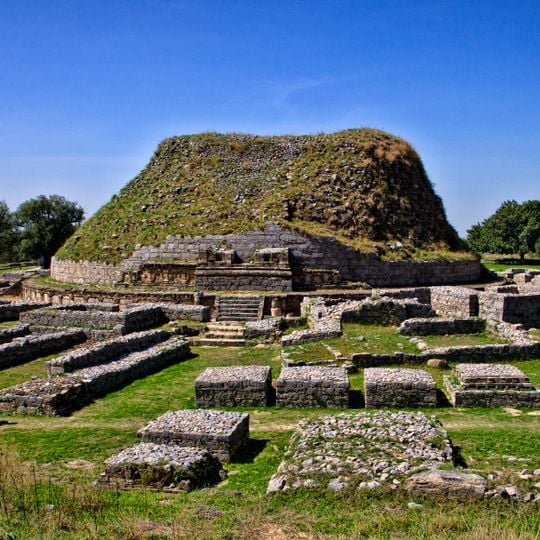
Taxila, Archaeological site in Rawalpindi District, Pakistan.
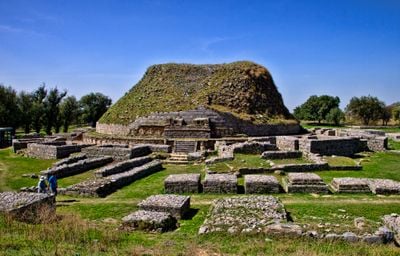
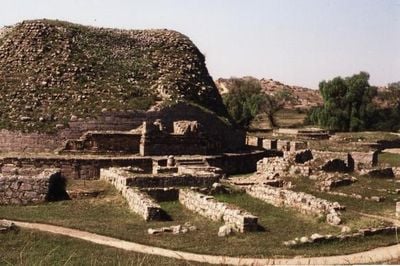
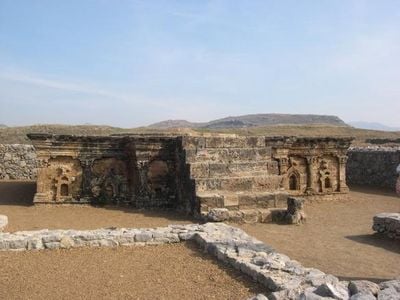
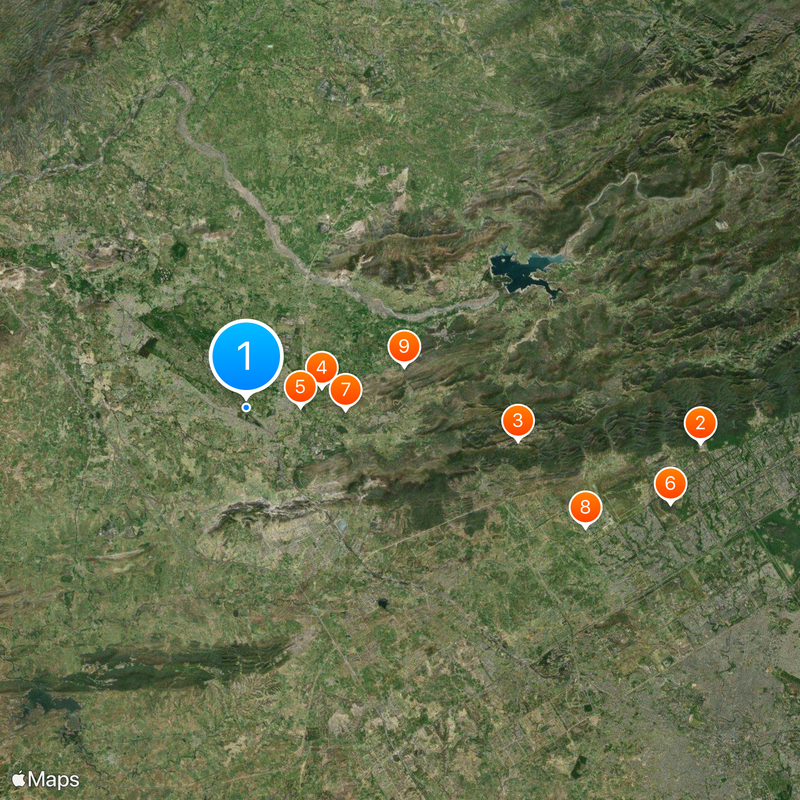
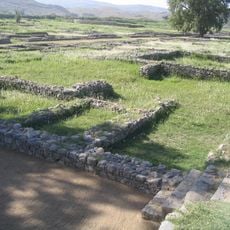
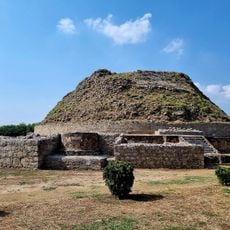
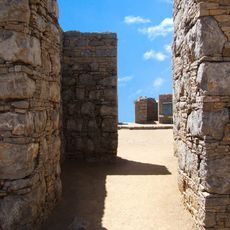
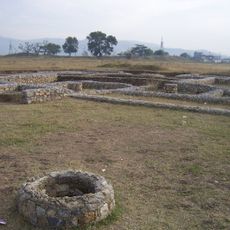
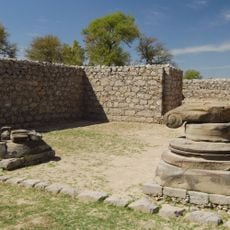
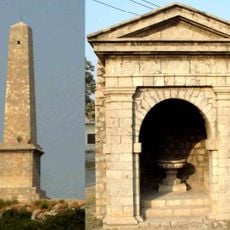
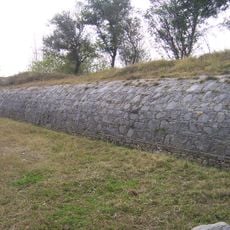
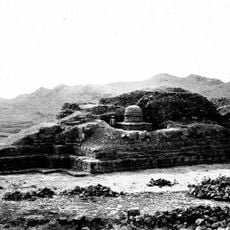
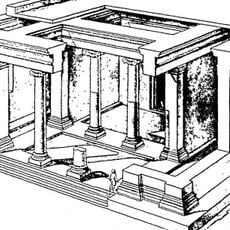
Taxila is an extensive archaeological site in Rawalpindi District, Pakistan, with multiple excavation areas showing remains of streets, residential buildings, temples, and fortifications. The remains date from different periods and are spread over a wide area, with main sites connected by unpaved paths.
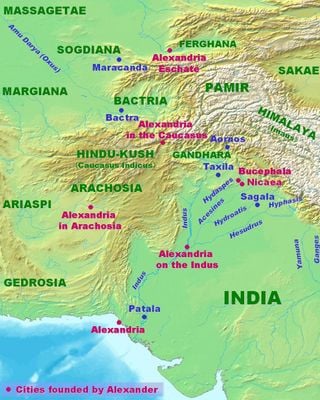
The city emerged around 600 BCE and developed through three major settlement phases shaped by Persian, Greek, Mauryan, and Kushan rulers. Each phase brought new architectural elements and urban planning changes until the settlement was abandoned around 500 CE.
Today groups of archaeology students and historians visit the sites to study ancient building techniques and decipher Buddhist inscriptions. Local guides share oral traditions about the meaning of the ruins and show how people lived and worked here centuries ago.
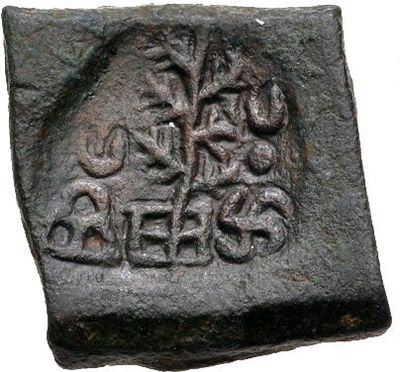
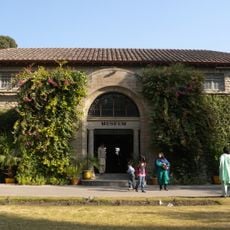
The site includes a museum displaying artifacts, coins, and sculptures from the excavations. Visitors can book guided tours from the main entrance near the museum or explore between sites independently.
Excavations revealed an advanced drainage system from the Kushan period featuring terra-cotta pipes and underground water channels running throughout the ancient city. These installations demonstrate a high level of technical understanding of sanitation and urban infrastructure during an era often considered less developed.
The community of curious travelers
AroundUs brings together thousands of curated places, local tips, and hidden gems, enriched daily by 90,875 contributors worldwide.