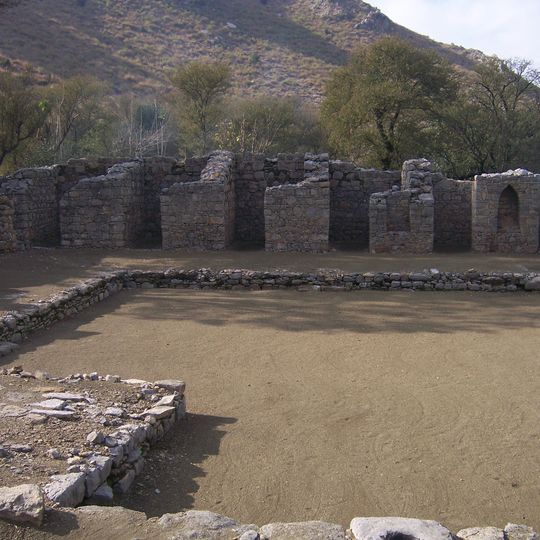
Mohra Muradu, Buddhist stupa and monastery in Punjab, Pakistan
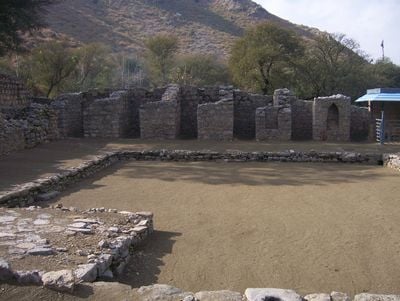
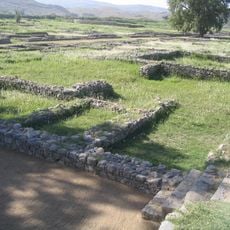
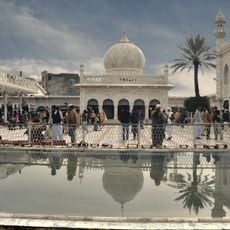
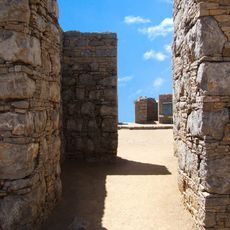
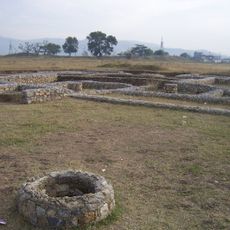
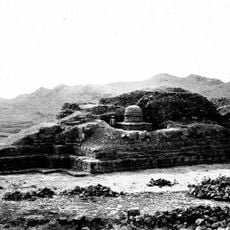
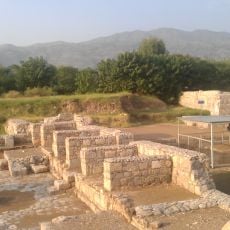
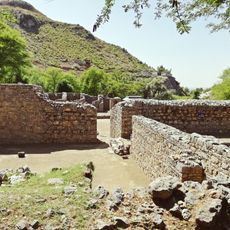
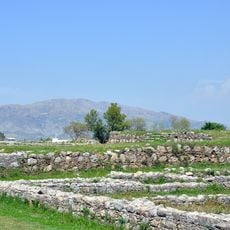
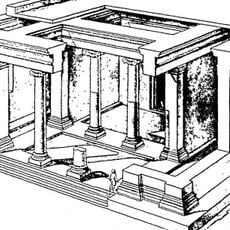
Mohra Muradu is a Buddhist stupa and monastery complex in Punjab, Pakistan, featuring 27 monastic cells arranged around a central courtyard with a rectangular pool used for ritual washings. The site demonstrates thoughtful water management through wooden roof extensions that channel rainwater into the central pool.
This Buddhist complex was built in the 2nd century CE and is now part of a UNESCO World Heritage Site in the region. Archaeological excavations conducted by John Marshall between 1914 and 1915 revealed its layout and original purposes.
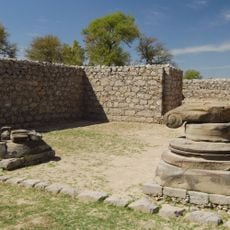
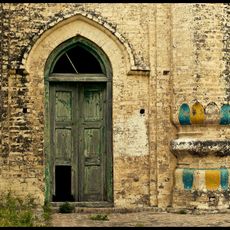
The monastery walls display Buddha statues and decorative elements that blend local building styles with Hellenistic influences from the Gandhara period. This mix of traditions is visible throughout the complex and shapes how visitors experience the space.
The site is best visited during dry weather since the terrain and structures rely on natural drainage systems. Wearing comfortable shoes is advisable as you explore the various areas of the complex on foot.
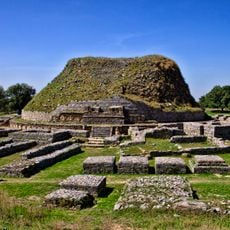
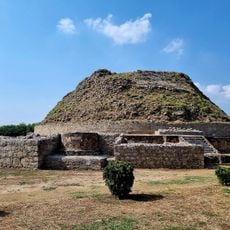
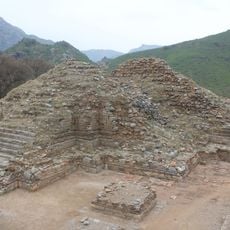
The monumental votive stupa features carvings of elephants and the Greek god Atlas supporting a base decorated with Corinthian columns and Buddha reliefs. This unusual blend of eastern and western symbols at a sacred site is remarkable and rarely found together in this way.
The community of curious travelers
AroundUs brings together thousands of curated places, local tips, and hidden gems, enriched daily by 91,285 contributors worldwide.