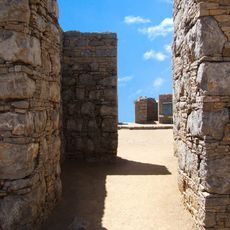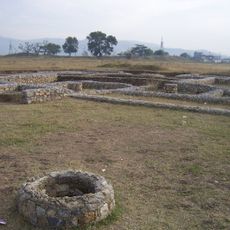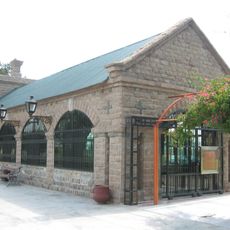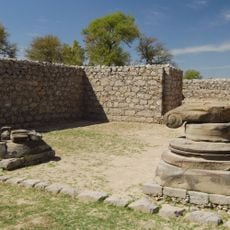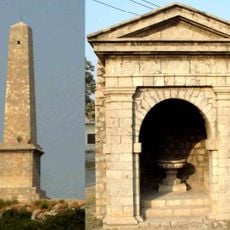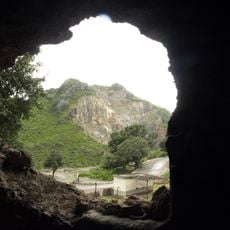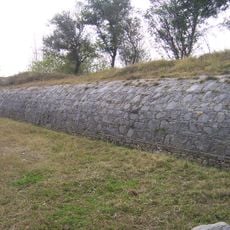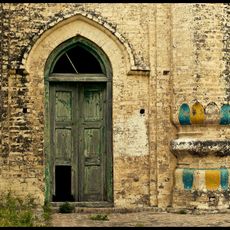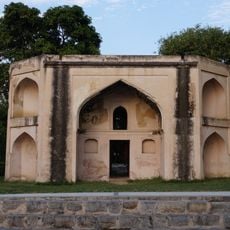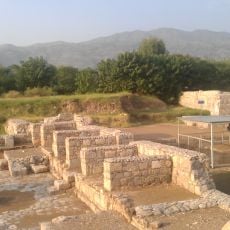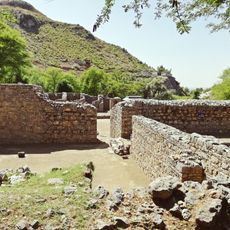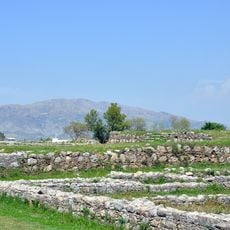
Kunala Stupa, Buddhist stupa and monastery complex in Taxila, Pakistan
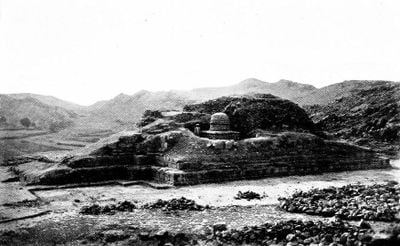
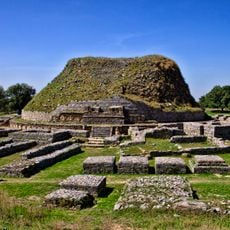
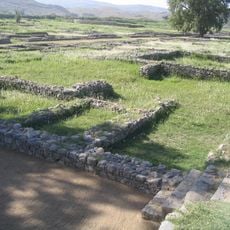
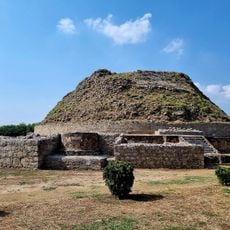
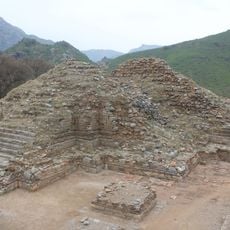
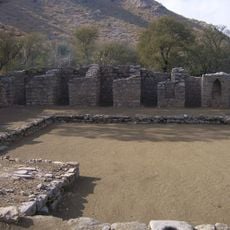
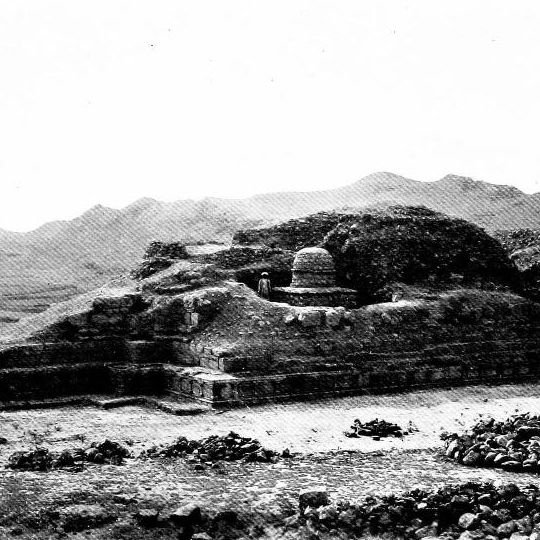
Kunala Stupa is a Buddhist monastery complex from the Kushan period, sitting on a hilltop south of the ancient settlement of Sirkap. The structure rises prominently from the landscape and overlooks the ruins of the Indo-Greek town below.
The stupa was built in the 2nd century CE as a religious center under Kushan rule and took its name from Kunala, son of Emperor Ashoka who came to Taxila for medical care. The site marks an important moment in Buddhist development across the region during that era.
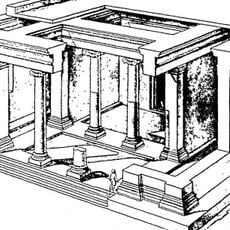
The stupa reflects Buddhist architectural traditions from the Gandharazeit period, blending Greek, Indian, and Persian design elements. Visitors can see this cultural mixing in the building's proportions and decorative details.
The site sits on a hill about 200 meters (650 feet) south of the ancient settlement of Sirkap and is reachable through guided tours from Taxila's main archaeological complex. Visitors should expect walking paths and hilly terrain, so sturdy shoes and water are recommended.
Pilgrims historically came to this stupa seeking cures for eye ailments, inspired by the legend of Kunala recovering from blindness. This healing tradition shows how religious stories shaped real pilgrimage practices across the region.
The community of curious travelers
AroundUs brings together thousands of curated places, local tips, and hidden gems, enriched daily by 60,000 contributors worldwide.