Elgin Marbles, collection of sculptures from the Athenian Acropolis in the British Museum
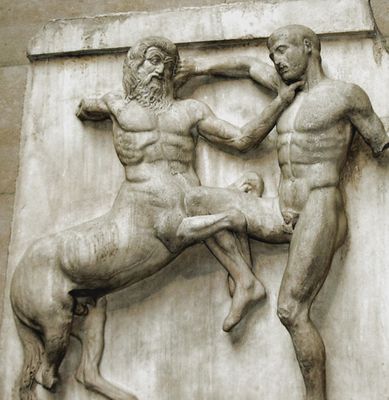
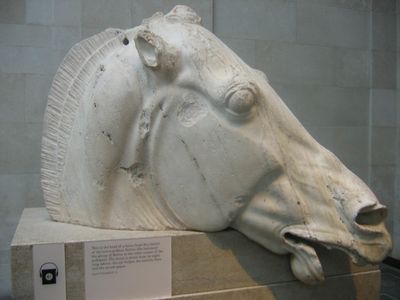
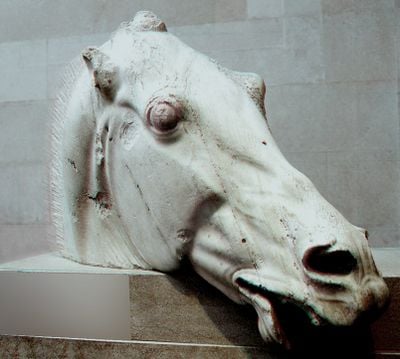
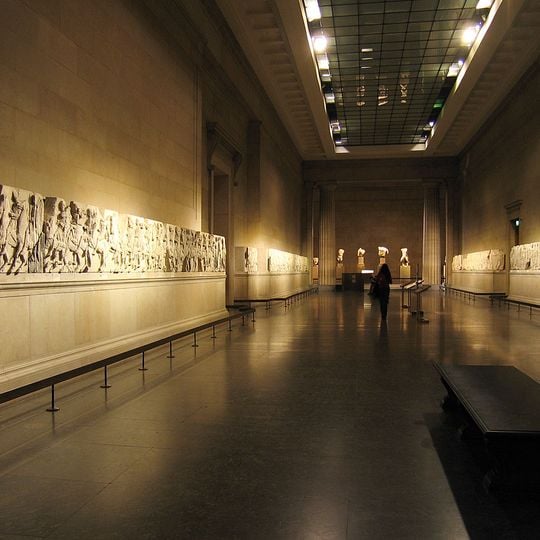
The Elgin Marbles are a group of sculptures made from white Pentelic marble that originally decorated the Parthenon and other buildings on the Acropolis in Athens. The collection includes over 100 pieces, such as friezes, pediment sculptures, and decorative panels depicting mythological scenes and everyday life.
The sculptures were created around 400 BC under the guidance of Greek artist Phidias and ranked among the most valued works of the Parthenon. In the early 19th century, Lord Elgin removed approximately half of the surviving pieces and transported them to Britain, where they have remained in the British Museum.
The marble figures depict scenes from Greek mythology and religious rituals that reflect the beliefs and values of ancient Athens. They were created as part of the Parthenon's decorative program to honor the goddess Athena and communicate her importance to the city.
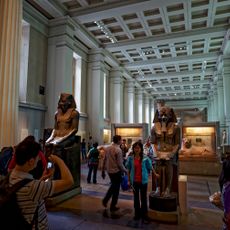
The collection is displayed in the British Museum in London, where you can view them in a specially designed gallery. The visit allows you to observe fine details and craftsmanship up close and read explanatory panels that describe the scenes depicted and their historical origins.
Many of the sculptures display the influence of Phidias' innovative style, particularly the naturalistic rendering of drapery and musculature that would shape the foundations of Western art history. These details reveal the artistic techniques developed over two millennia ago that continue to be admired today.
The community of curious travelers
AroundUs brings together thousands of curated places, local tips, and hidden gems, enriched daily by 90,851 contributors worldwide.