British Museum Department of Ancient Egypt and Sudan, ancient Egyptian And Sudanese Museum Department
Description
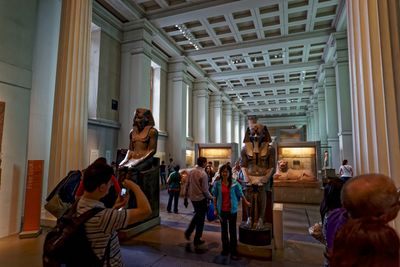
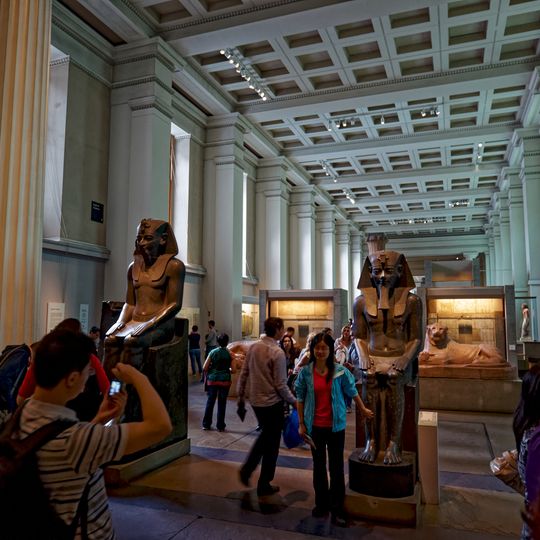
The British Museum Department of Ancient Egypt and Sudan houses over 110,000 objects from both regions, including mummies, statues, jewelry, and tools spanning different periods. The exhibition presents artifacts from famous excavation sites such as Abydos, Saqqara, and Deir el-Bahari, carefully arranged to give visitors insight into ancient life.
History
The collection began in 1753 with Egyptian objects donated by Sir Hans Sloane and grew after 1798 through military acquisitions including the Rosetta Stone. In the 19th century, consuls like Henry Salt and explorers like Giovanni Belzoni systematically organized excavations that brought tens of thousands of artifacts from Egypt and Sudan to the museum.
Culture
The department displays objects that reflect the lives of ancient Egyptians and Sudanese people, from statues of gods to everyday tools and pottery. Visitors can observe how religion and daily work shaped these ancient societies.
Practical
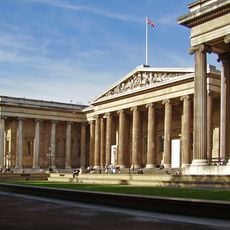
The department is located in the British Museum in the Camden area of London and is easily accessible by public transport. Visitors can spend as much time as they wish exploring the displays, and information panels and guides help explain the objects and their significance.
Did you know?
The Rosetta Stone, the collection's most famous object dating to 196 BC, is housed here and helped scholars decipher Egyptian hieroglyphs. This single artifact was the key to understanding an entire lost language and remains a symbol of the power of archaeological discovery.
AroundUs brings together thousands of curated places, local tips, and hidden gems, enriched daily by 60,000 contributors worldwide. Discover all places nearby (London Borough of Camden).
British Museum
56 m
Elgin Marbles
42 m
Queen Elizabeth II Great Court
56 m
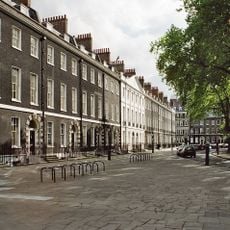
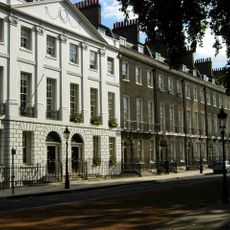
Bedford Square
171 m
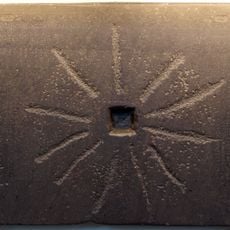
Shabaka Stone
25 m
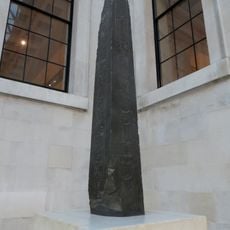
Obelisks of Nectanebo II
56 m
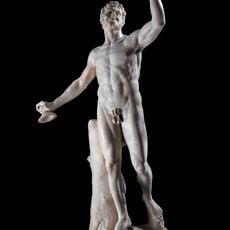
Rondanini Faun
61 m
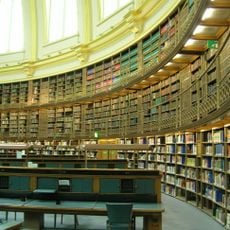
British Museum Reading Room
56 m
Building of the British Museum
57 m
King Edward VII Galleries
96 m
43-48, Great Russell Street
174 m
Numbers 1-11 And Attached Railings Including White Hall Hotel (Numbers 2-5) And Montague House (Numbers 8-11)
140 m
Numbers 89, 90 And 91 And Attached Railings
152 mNumber 30 And Attached Railings And Lamps
151 m
Numbers 2 to 20 and Attached Railings
172 m
Numbers 38-43 And Attached Railings
153 m
Eighteen Lamp Posts On The Forecourt Of The British Museum
154 m
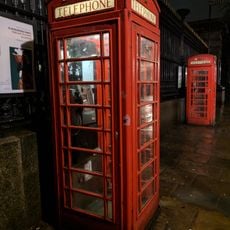
Pair Of K6 Telephone Kiosks Next To The Western Stone Pier On Front Boundary Railings
157 m
Number 11 And Attached Railings
136 m
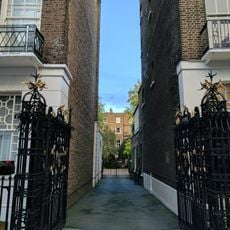
Iron Gates Between Numbers 20 And 21 Leading To Rear Garden
172 m
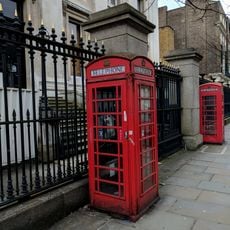
Pair Of K6 Telephone Kiosks Flanking Side Entrance Piers And Gates
171 m
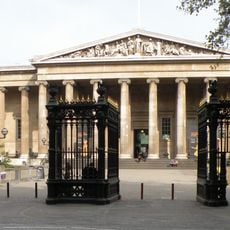
Main Entrance Gateway, Railings And Attached Lodges To The British Museum
166 m
Numbers 40-54 And Attached Railings
155 m
Numbers 1-10 And Attached Railings
82 m
Numbers 24-60 And Attached Railings
128 mGates, Boundary Walls And Railings To Rear Garden Of Numbers 2-20 Gower Street
154 m
Cameron Mackintosh Ltd
70 mThirty Seven Lamp Standards Around The Square
171 mDiscover hidden gems everywhere you go!
From secret cafés to breathtaking viewpoints, skip the crowded tourist spots and find places that match your style. Our app makes it easy with voice search, smart filtering, route optimization, and insider tips from travelers worldwide. Download now for the complete mobile experience.
A unique approach to discovering new places❞
— Le Figaro
All the places worth exploring❞
— France Info
A tailor-made excursion in just a few clicks❞
— 20 Minutes