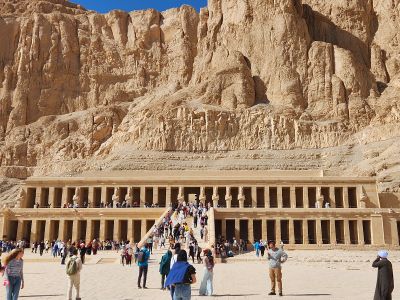
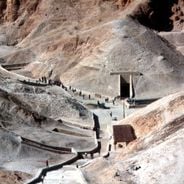
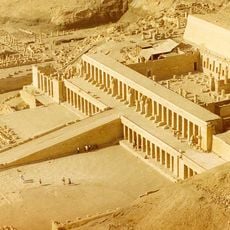
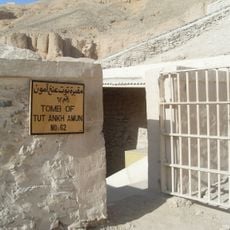
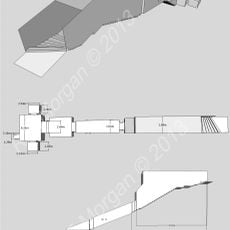
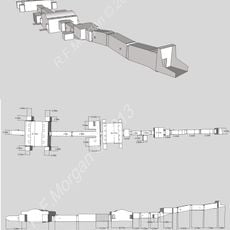
Valley of the Kings, Ancient necropolis in Luxor, Egypt
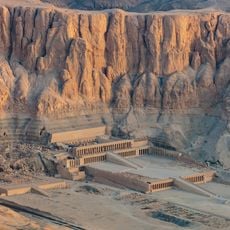
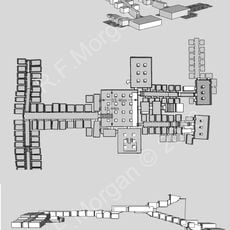
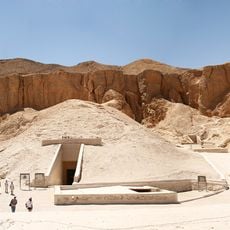
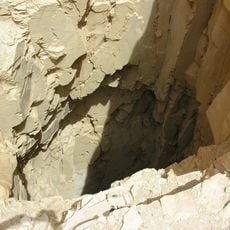
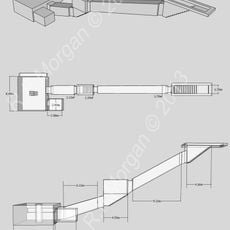
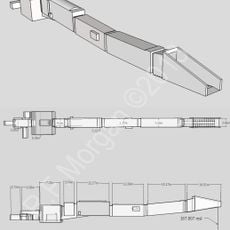
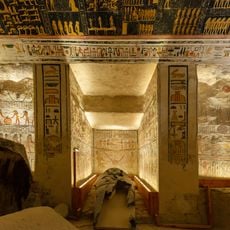
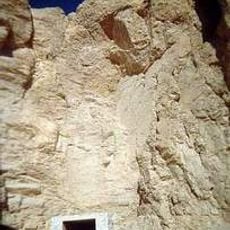
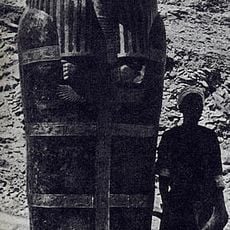
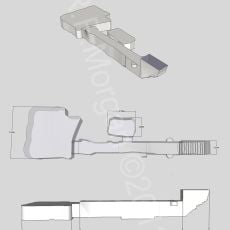
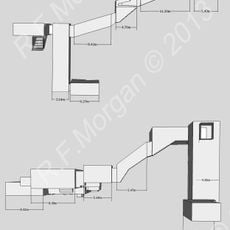
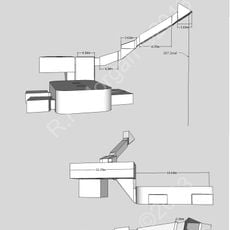
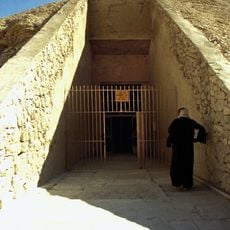
The Valley of the Kings is a wadi on the west bank of the Nile opposite Luxor, split into an East Valley holding most royal tombs and a West Valley, the Valley of the Monkeys. Its tombs are cut into cliffs of limestone and marl over 1,000 feet thick, from simple pits such as KV54 to KV5, with more than 120 chambers for the sons of Ramesses II. A pyramid-shaped peak, al-Qurn, rises above the valley.
Thutmose I, third pharaoh of the Eighteenth Dynasty, had his architect Ineni cut the first royal tomb here around 1500 BCE, in secret; Ineni boasted that no one saw or heard him. Burials continued through the Nineteenth and Twentieth Dynasties until Ramesses XI, whose tomb was never occupied, some 430 years later.
Egyptians called the valley Ta-sekhet-ma'at, the Great Field, and the pyramid-shaped peak of al-Qurn above it was home to the cobra goddess Meretseger, protector of the necropolis. The tombs were cut and decorated by workmen from the village of Deir el-Medina, whose records include the first known workers' strike.
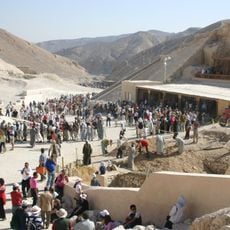
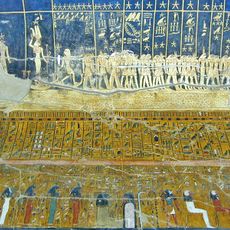
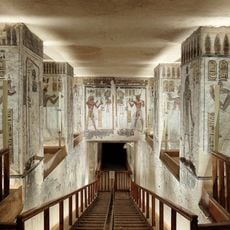
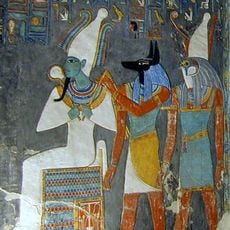
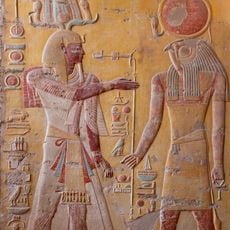
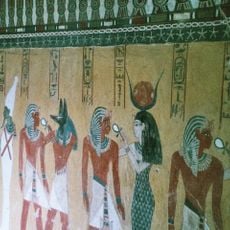
The site opens early in the morning and closes by late afternoon, with only a selection of tombs accessible to visitors on any given day. Staff rotate which chambers remain open to reduce wear on the wall paintings and reliefs inside the most popular burial sites.
The workmen who cut and decorated the tombs lived at Deir el-Medina, a village in a small wadi between this valley and the Valley of the Queens. Their own tombs and official documents record their daily lives, including the first known workers' strike, described in the Turin Strike Papyrus.
The community of curious travelers
AroundUs brings together thousands of curated places, local tips, and hidden gems, enriched daily by 92,188 contributors worldwide.