KV35, Royal tomb in Valley of the Kings, Egypt
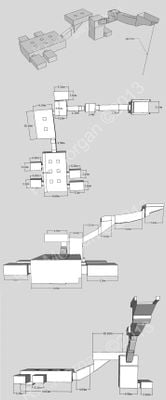
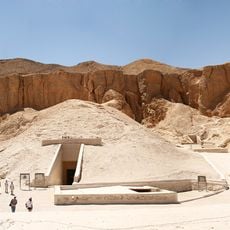
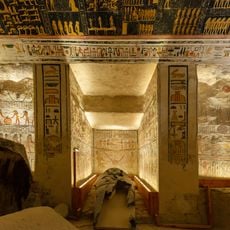
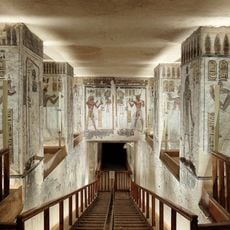
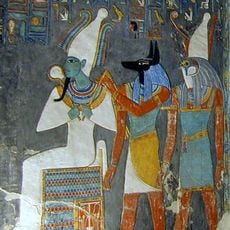
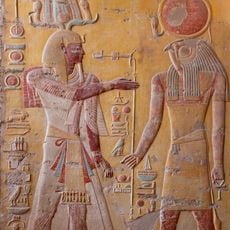
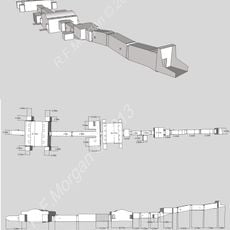
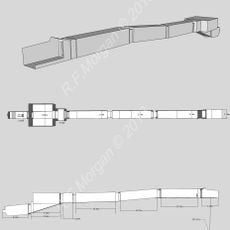
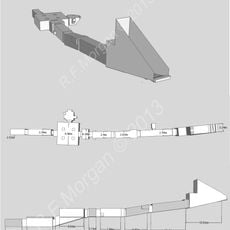
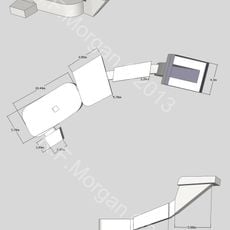
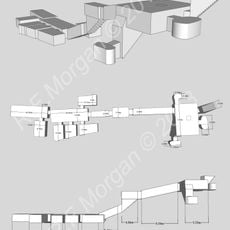
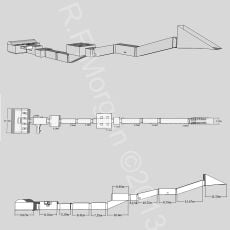
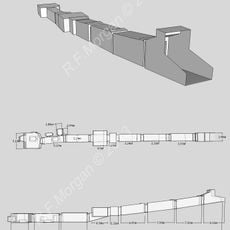
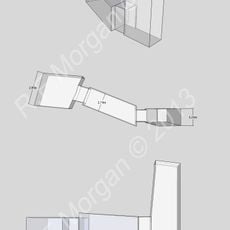
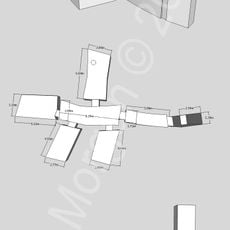
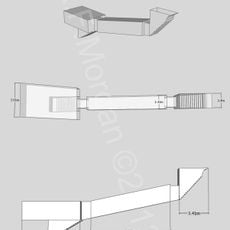
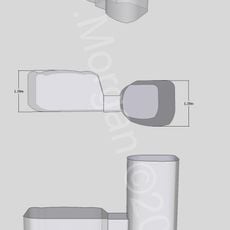
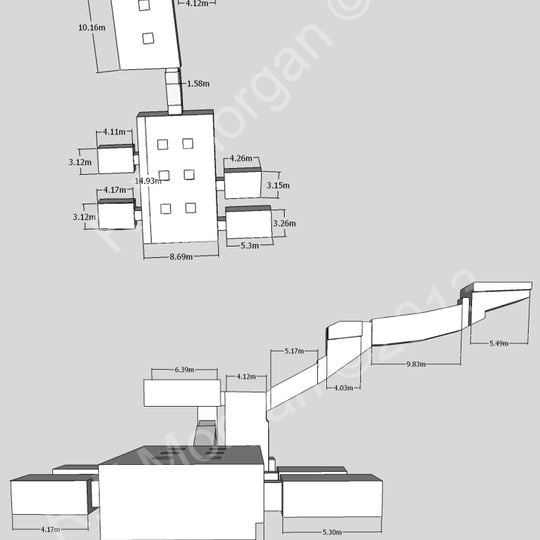
KV35 is a royal burial site in the Valley of the Kings in Luxor that stretches 91 meters into the limestone cliffs. The chambers are decorated with ancient Egyptian burial texts and painted reliefs visible on the walls and ceilings.
Victor Loret opened the burial site in March 1898 and found the mummy of Amenhotep II in its original sarcophagus. Priests of the 21st Dynasty later used the chambers as a hiding place for additional royal mummies, including Thutmose IV and Amenhotep III.
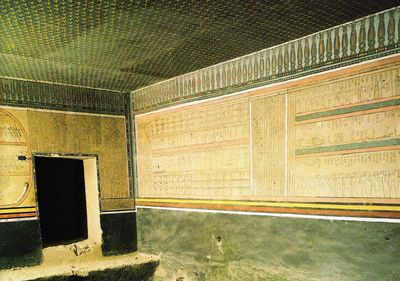
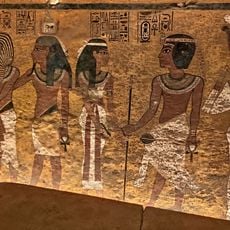
Only the burial chamber is painted, on a yellow ground meant to look like aged papyrus. The Amduat is drawn there with deities as simple stick figures, and the text uses the cursive hieroglyphic book hand normally reserved for papyri. The same style appears elsewhere in the valley only in KV34, the tomb of Thutmose III.
The entrance leads down steep steps, so visitors should wear sturdy shoes and walk carefully. Lighting inside is limited, and the temperature remains consistently cool due to conservation measures.
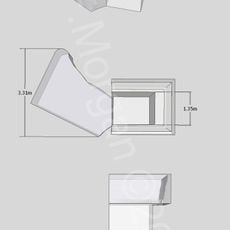
The mummy called the Younger Lady, found in a side chamber, was shown by DNA testing in February 2010 to be a woman and the mother of Tutankhamun, daughter of Amenhotep III and Tiye. Her name is still unknown; she may be Nebetiah or Beketaten. In 2003 Joann Fletcher had controversially claimed the same mummy was Nefertiti.
The community of curious travelers
AroundUs brings together thousands of curated places, local tips, and hidden gems, enriched daily by 94,662 contributors worldwide.