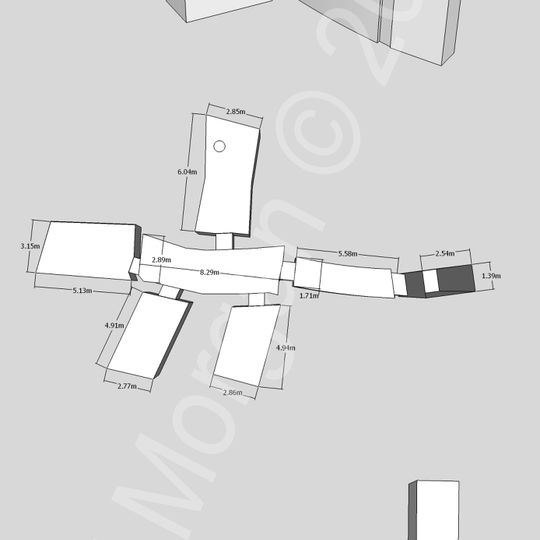
KV30, Ancient tomb in Valley of the Kings, Egypt
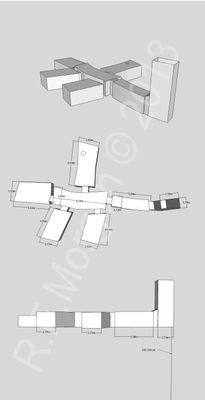
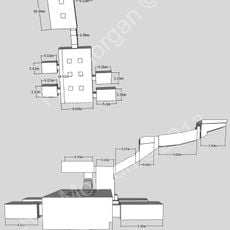
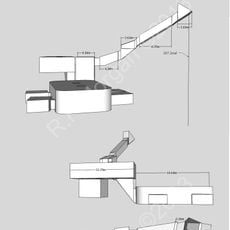
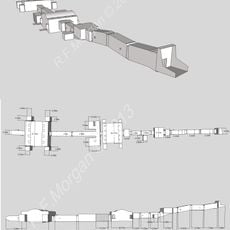
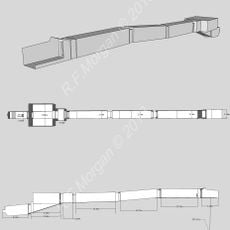
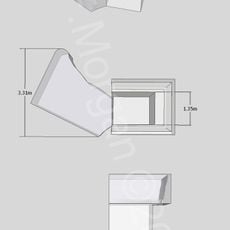
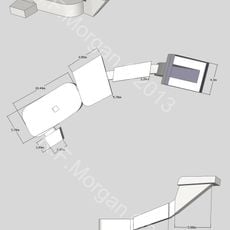
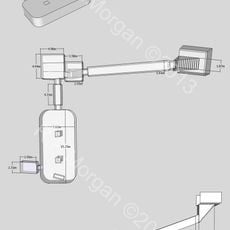
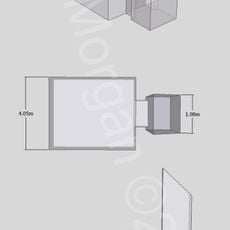
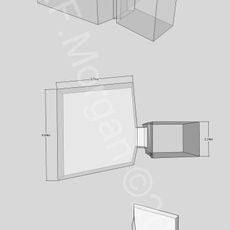
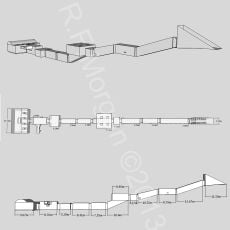
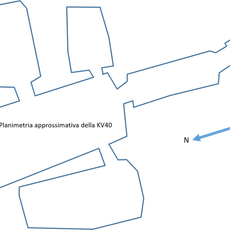
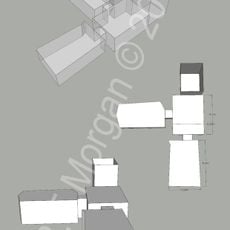
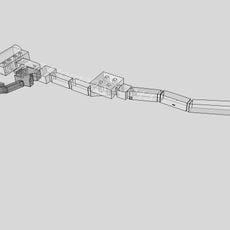
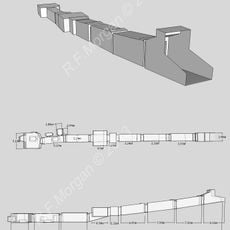
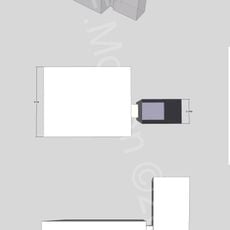
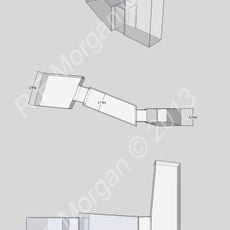
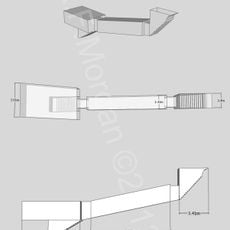
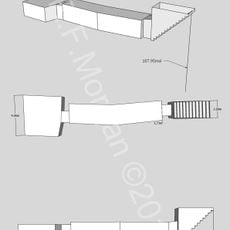
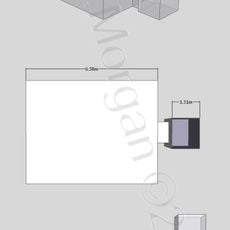
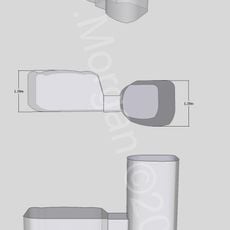
KV30 is an underground tomb in the Valley of the Kings with a vertical shaft descending about seven meters. The shaft leads to a main chamber with four smaller connecting rooms, all carved directly from limestone bedrock.
The tomb was discovered in 1817 by Giovanni Battista Belzoni while researching the valley on commission from an English patron. This find was part of a broader archaeological investigation of the royal burial site.
The tomb's walls still bear the names and marks left by the ancient workers who carved it, offering insight into how construction was organized. These traces show the practical methods used to design and execute such underground chambers.
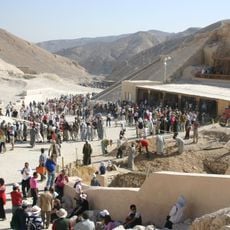
Access to the underground complex involves descending through a narrow shaft and moving through several chambers with limited headroom. Visitors should expect darkness, limited air circulation, and uneven surfaces throughout the interior chambers.
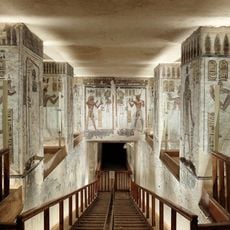
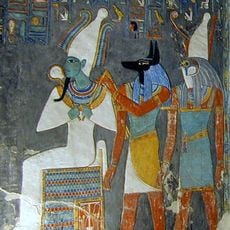
Red ink markings made by workers during construction are still visible on the walls in certain spots. Hieroglyphic elements spelling out parts of the name Menkheperre can also be found inscribed within the chambers.
The community of curious travelers
AroundUs brings together thousands of curated places, local tips, and hidden gems, enriched daily by 92,298 contributors worldwide.